


Higher Means Colder, and Drier
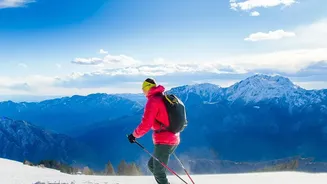
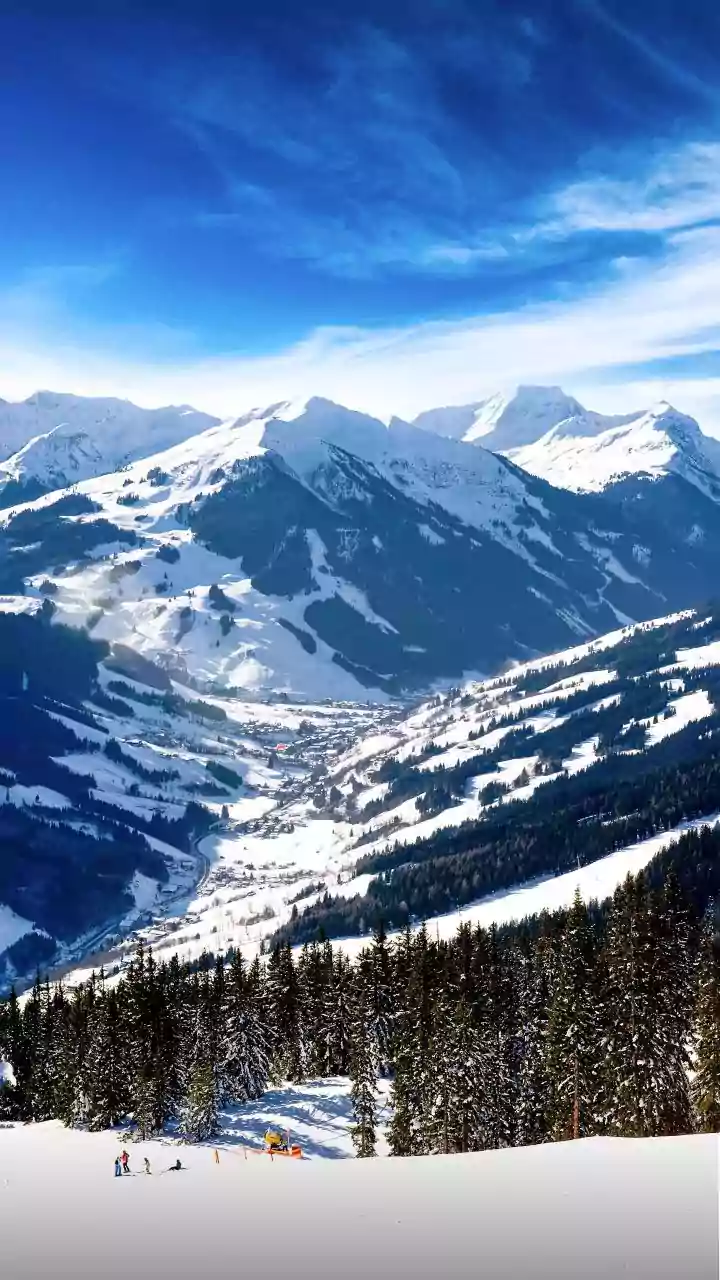
The most fundamental rule is that temperature drops as you go higher. In the Himalayas, for every 1,000 metres you ascend, the temperature can decrease by about 6.5°C. This 'lapse rate' is why high-altitude resorts like Gulmarg can maintain excellent
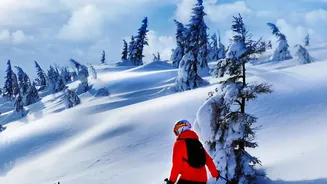
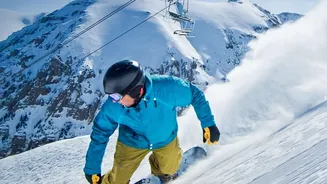
snow cover while lower areas might struggle. At higher elevations, precipitation is more likely to fall as snow rather than rain, even during milder spells. Furthermore, the colder air at altitude holds less moisture, leading to the formation of smaller, lighter, and drier snow crystals. This is the 'powder' that skiers and snowboarders dream of, offering a weightless, floating sensation. Lower elevations experience warmer temperatures, which means the snow that does fall often has a higher moisture content, making it heavier and wetter. This can quickly turn into slush on a sunny day.
The Crucial Role of Aspect
Beyond sheer altitude, the direction a slope faces—its 'aspect'—plays a massive role in snow quality. In the Northern Hemisphere, south-facing slopes get the most direct sunlight throughout the day. This intense sun exposure warms the snow surface, causing it to melt. When temperatures drop overnight, this melted snow refreezes, creating a hard, icy crust. This daily melt-freeze cycle can make south-facing slopes challenging and unpleasant to ride, especially in the afternoon. In contrast, north-facing slopes receive far less direct sunlight and spend much of the day in the shade. This keeps the snow cold and helps preserve its soft, powdery texture for days, or even weeks, after a snowfall. For this reason, experienced riders in India often seek out north-facing terrain to find the best and most consistent snow conditions.
Wind: The Mountain's Sculptor
Wind is a powerful and often underestimated force in the high mountains. It can be both a creator and a destroyer of good ski conditions. On one hand, wind can transport vast amounts of snow from one area to another. It might strip snow from exposed ridgelines, leaving them firm or icy ('wind-scoured'). On the other hand, it deposits that snow into sheltered gullies and bowls on the leeward side of the mountain. These 'wind-loaded' areas can hold deep pockets of powder, offering some of the best skiing on the mountain long after a storm has passed. However, wind can also break down delicate snow crystals, packing soft powder into dense, hard slabs that are difficult to ski. Understanding wind patterns and knowing where to find sheltered terrain is a key skill for navigating big-mountain environments like those in the Himalayas.
Putting It All Together in India
India's premier ski destinations perfectly illustrate these principles. Gulmarg, with its base at around 2,650 metres and its highest lift-accessed point soaring to nearly 4,000 metres on Mt. Apharwat, offers a vast vertical drop with hugely varied conditions. The upper mountain's high elevation ensures cold, dry powder, especially on its many north-facing aspects. Meanwhile, lower-altitude resorts like Auli in Uttarakhand, with a peak elevation of around 3,050 metres, provide a different experience. Its slopes are renowned for offering panoramic views, and while it receives good snowfall, the conditions can be more susceptible to temperature fluctuations compared to Gulmarg's higher reaches. Understanding these differences allows skiers to choose destinations and, more importantly, specific slopes on the mountain that best suit their preferences and the day's weather.