




What Exactly Is Compounding?
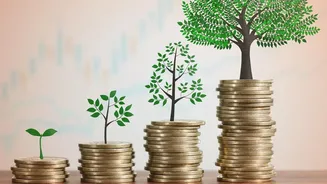
At its heart, compounding is the process of earning returns not just on your original investment, but also on the accumulated returns from previous periods. It’s often called 'interest on interest'. Think of it like a snowball rolling downhill. It starts
small, but as it rolls, it picks up more snow, getting bigger and moving faster. Your money works the same way. The returns you earn in year one become part of the principal for year two, meaning you start earning returns on a larger base amount. This simple mechanism is what turns small, consistent savings into significant wealth over time.
The Lure of the Fast Rupee
It's easy to see why investors get drawn to the promise of quick gains. Stories of people getting rich overnight on a speculative stock or a new digital currency are tantalizing. This approach, known as short-term trading, focuses on capturing profits from market fluctuations over days, weeks, or months. It requires active monitoring, quick decisions, and a high tolerance for risk and volatility. The psychological appeal is immediate gratification. However, this strategy often involves higher stress and transaction costs, and it misses out on the slow, powerful magic of long-term growth. Most financial professionals agree that while the allure is strong, the path is fraught with risk and is unsustainable for most people.
The Slow, Unstoppable Force
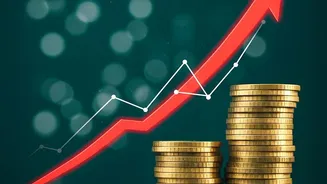
The true power of compounding is revealed over time. Let's consider an example. If you invest ₹10,000 at a hypothetical 8% annual return, after the first year, you'd have ₹10,800. In the second year, you earn 8% on ₹10,800, bringing your total to ₹11,664. That extra ₹64 might not seem like much, but this acceleration is the key. After 20 years, that initial ₹10,000 would grow to over ₹46,600 without you adding another paisa. After 40 years, it would be over ₹2,17,000. The majority of the growth happens in the later years, as the reinvested earnings do the heavy lifting. This exponential growth is why investor Warren Buffett, whose wealth famously skyrocketed after his 50th birthday, calls compounding the 'eighth wonder of the world'.
It’s a Mindset, Not Just Math
Understanding compounding isn't just about crunching numbers; it's about a profound psychological shift. It moves your perspective from that of a gambler to that of a patient owner. Instead of asking, 'How can I get rich quick?', the question becomes, 'What is a sustainable return I can achieve for a very long time?'. This mindset encourages discipline and patience. It teaches you to ignore short-term market noise and 'fear of missing out' (FOMO), focusing instead on your long-term goals. Long-term investors must develop the resilience to stick with their plan through market downturns, trusting that time is their greatest ally. The first rule of compounding, as Buffett's partner Charlie Munger says, is to 'never interrupt it unnecessarily'.
Putting Compounding to Work
Harnessing the power of compounding doesn't require a finance degree. It boils down to a few simple principles. First, start as early as possible. The longer your money has to grow, the more dramatic the results. A small amount invested in your 20s can easily be worth more than a larger amount invested in your 40s. Second, be consistent. Making regular contributions, even if they're small, steadily increases the principal that compounding works on. Setting up automatic investments is a great way to enforce this discipline. Finally, reinvest all your earnings. Whether it’s dividends from stocks or interest from bonds, allowing those returns to be reinvested is what fuels the compounding engine.