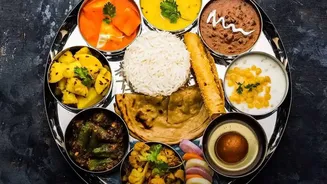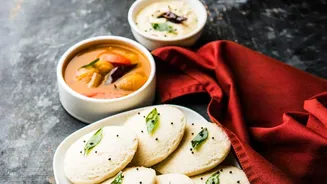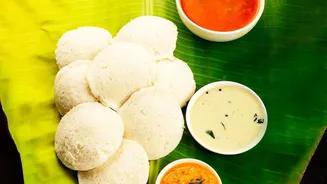



As temperatures drop, the craving for warm, comforting food is universal. But true winter wellness isn't found in 'miracle' foods. Instead, the secret lies in India's own rich and varied seasonal harvest, offering both nourishment and warmth.
The Myth of 'Miracle' Warming Foods
Many believe
that certain foods can magically generate body heat. While it's true that the process of metabolism itself creates warmth, and some spices like ginger and cinnamon can slightly boost circulation, no single ingredient is a furnace. The idea of 'warming' and 'cooling' foods is more rooted in traditional systems like Ayurveda, which focus on the energetic effect of foods on the body. Modern science suggests that the real warmth comes from the sustained energy your body derives from nutrient-dense meals, not necessarily the temperature or a 'hot' property of the food itself. A hot bowl of soup provides immediate comfort, but it's the calories and nutrients within that fuel you long-term.
Embrace the Bounty of Root Vegetables
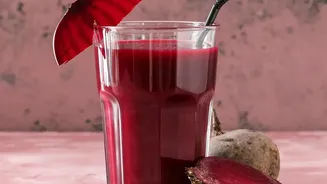
Winter is the season when the ground offers its best treasures. Markets across India become vibrant with root vegetables that are at their peak in flavour and nutrition. Carrots, particularly the sweet red 'Delhi carrots', are packed with beta-carotene. Beetroots, turnips, radishes, and sweet potatoes are also abundant. These vegetables are incredibly versatile. They can be slow-roasted to bring out their natural sweetness, blended into hearty soups, or used in traditional preparations. Think of comforting 'Gajar ka Halwa', spicy radish curries, or a simple sweet potato chaat. Their dense nature provides complex carbohydrates, which offer a slow and steady release of energy.
Celebrate a Garden of Leafy Greens
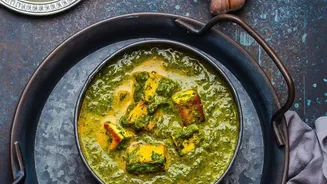
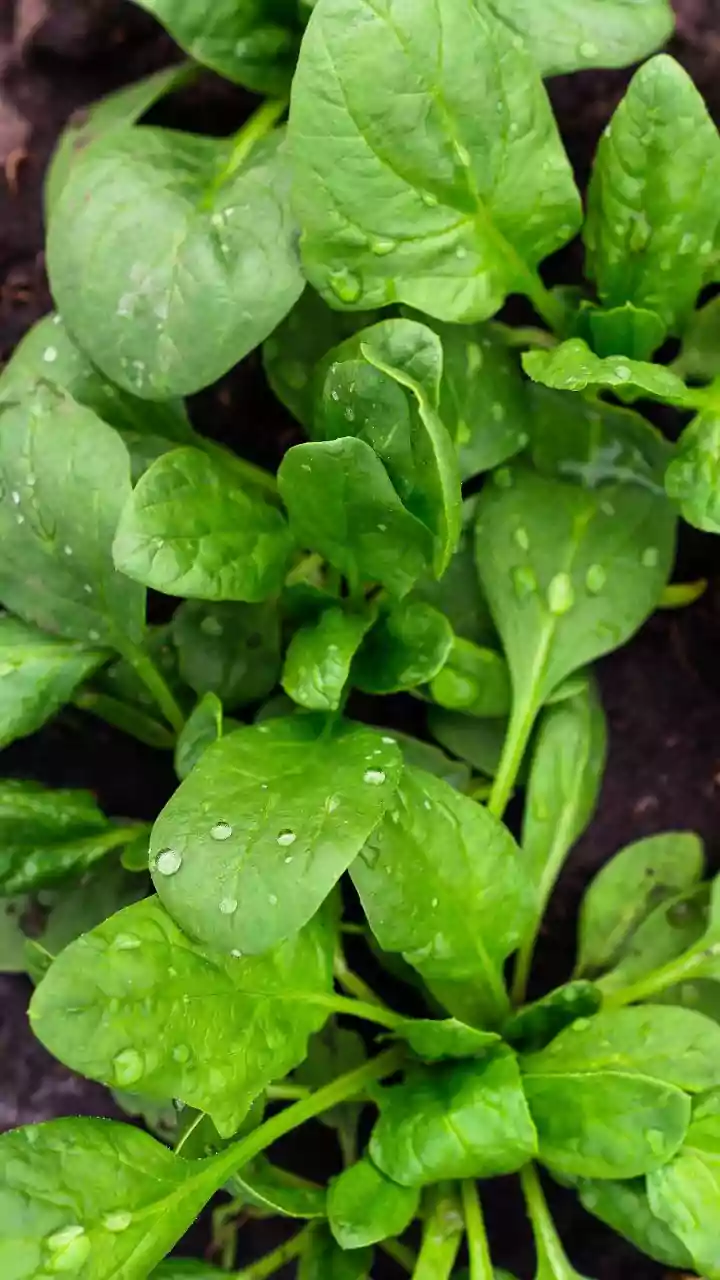
Winter brings a welcome explosion of green. This is the prime season for a variety of leafy vegetables that are essential to Indian winter cuisine. Punjab's iconic 'Sarson da Saag' is a testament to the glory of mustard greens, which are only available during the colder months. Spinach (palak), fenugreek (methi), and bathua are also at their freshest and most flavourful. Packed with iron, calcium, and fibre, these greens are vital for boosting immunity and aiding digestion. They can be incorporated into countless dishes, from 'Palak Paneer' and 'Methi Thepla' to simple dals and parathas.
Power Up with Whole Grains and Millets
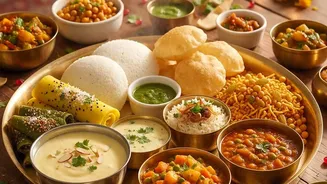
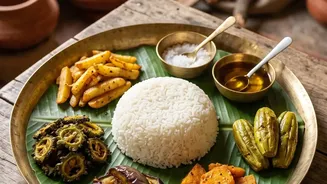
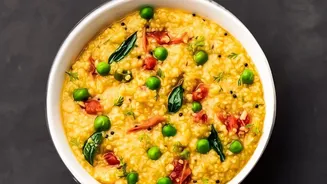
Traditional Indian diets have always shifted with the seasons, and winter is the time for heartier grains. Millets like bajra (pearl millet) and grains like makki (maize) become staples, particularly in northern and western India. These grains are considered naturally warming and provide sustained energy needed to combat the cold. A classic winter meal of 'Makki di Roti' with 'Sarson da Saag' is not just a cultural phenomenon but a nutritionally complete combination. Similarly, 'Bajra Roti' or 'Khichdi' are dense in nutrients and fibre, helping you feel full and warm.
Don't Forget Winter's Juicy Fruits
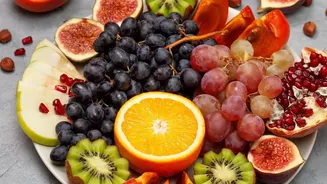
A common myth is that fruits should be avoided in winter because they are 'cooling'. On the contrary, seasonal winter fruits are crucial for immunity. This is the peak season for citrus fruits like oranges, kinnow, and sweet limes, which are bursting with Vitamin C—essential for fighting off seasonal sniffles. Guavas, another winter favourite, are also exceptionally rich in Vitamin C. Pomegranates and apples are other excellent choices available during this time. These fruits provide natural sugars for energy and antioxidants to help protect your body.
The Real Warmth - Boosters : Spices and Ghee
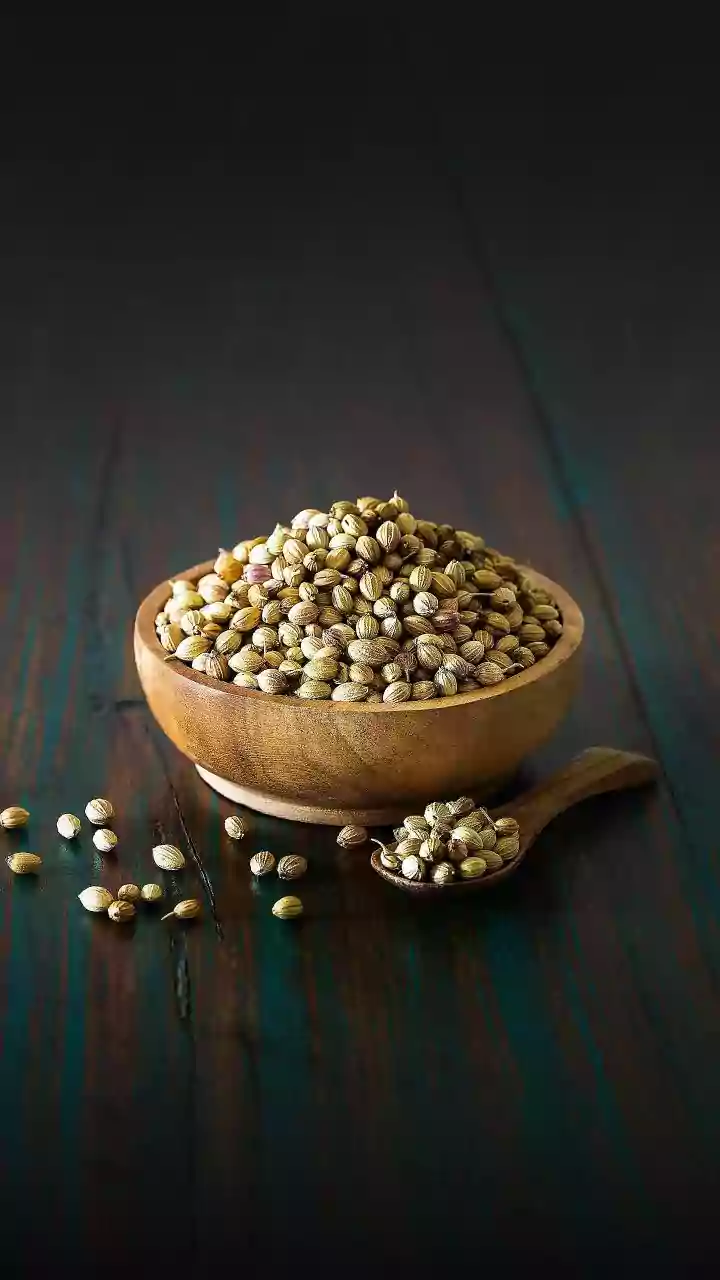
While no food is a miracle heater, certain ingredients traditionally used in Indian winter cooking do help create a feeling of warmth and support well being. Spices like ginger, garlic, turmeric, cloves, and cinnamon are known to aid digestion and improve circulation. Using these generously in dals, curries, and drinks like 'Haldi Doodh' can provide comfort. Ghee, or clarified butter, is another winter cornerstone. Used in moderation, it provides healthy fats that help in the absorption of fat - soluble vitamins and lubricate joints. Traditional sweets like 'Gond ke Ladoo' and 'Panjiri' are specifically made with ghee, edible gum, nuts, and jaggery to provide energy during the cold months.