



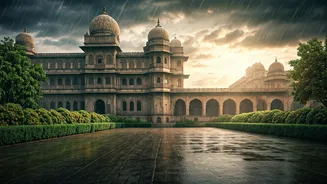


The Counter-Intuitive Charm of a Desert in Rain
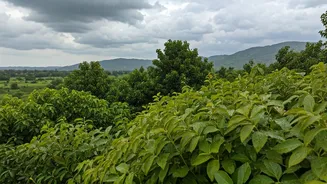
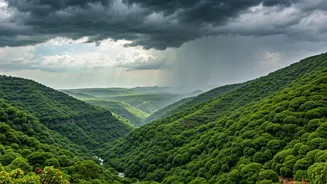
When you picture Rajasthan, you probably envision golden dunes and sun-drenched forts. But from July to September, a different version of the state emerges. The scorching heat gives way to pleasant temperatures, and sporadic, refreshing showers wash the dust
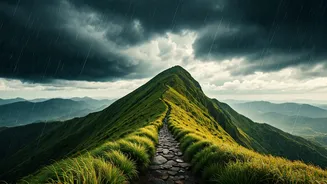
from the palaces and turn the arid landscape into a carpet of green. This off-season advantage means you can explore majestic sites without the peak-season tourist crowds. It's a time when you can enjoy the grandeur of forts and the serenity of lakes more peacefully and often at a better price. The monsoon here isn't the relentless downpour seen elsewhere in India; it’s a series of short, cooling spells that clear the air and create dramatic, cloud-filled skies perfect for photography.
Udaipur: The City of Lakes, Reborn
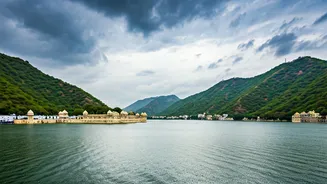
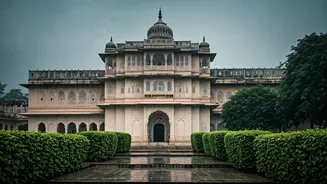
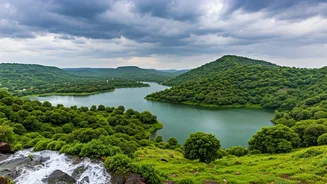
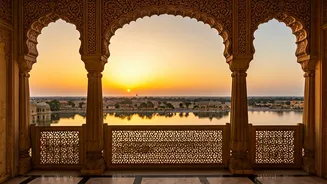
Nowhere is the monsoon’s magic more apparent than in Udaipur. The city’s famous lakes, Pichola and Fateh Sagar, swell with rainwater, their surfaces reflecting the magnificent City Palace and the surrounding Aravalli Hills. A boat ride on the replenished lakes during this season is an ethereal experience, with cool breezes and misty views. The aptly named Sajjangarh Monsoon Palace, perched high on a hill, offers breathtaking panoramic views of the rain-washed city and its verdant countryside. The entire city feels romantic and rejuvenated, making it the quintessential destination for a rainy-season escape.
The Aravalli Hills: A Trekker's Green Paradise
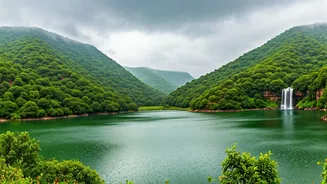
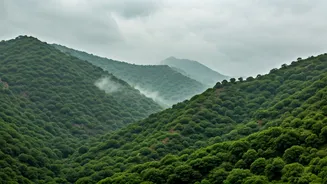
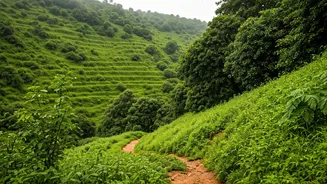
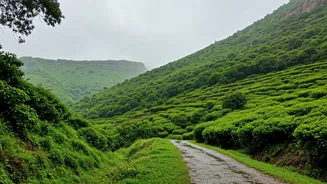
The Aravalli range, which runs through the state, undergoes a stunning transformation. Areas like Mount Abu, Rajasthan's only hill station, become misty, green retreats with gushing waterfalls. Further afield, the region around Kumbhalgarh Fort, a UNESCO World Heritage site, becomes a paradise for hikers. The 36-kilometre-long fort wall snakes through hills that are now covered in dense, emerald foliage. Trekking through the surrounding wildlife sanctuary, you'll find gurgling streams and might even spot peacocks dancing in the rain. The famous Jain temples of Ranakpur, nestled in a valley, also stand out dramatically against the lush monsoon backdrop.
Bundi and the Hadoti Region: Offbeat Gems
For a less-crowded but equally enchanting experience, head to the Hadoti region. The town of Bundi, with its Brahmin-blue houses, fairytale-like palace, and ancient stepwells, truly comes alive in the rain. The Taragarh Fort offers sweeping views of the rain-soaked town. Bundi feels like a hidden gem where you can experience the monsoon at a leisurely pace. Not far from Bundi, Menal is home to 11th-century temples next to a gorge where a seasonal river turns into a thunderous waterfall during the monsoon, a sight that shatters all stereotypes of a dry Rajasthan.
Jaipur's Festive Spirit: The Teej Festival
If your visit aligns with the Teej festival, which typically falls in July or August, you’re in for a treat. Primarily celebrated in Jaipur, this festival marks the arrival of the monsoon. The city bursts into a riot of green as women, dressed in traditional attire, celebrate with songs, swings, and elaborate processions. The main event is a grand procession starting from the City Palace, featuring decorated elephants, folk dancers, and an idol of the goddess Parvati. It’s a vibrant cultural spectacle that showcases Rajasthan's living heritage against a backdrop of festive, monsoon-infused energy.
Smarter Travel: Practical Tips for a Monsoon Trip
To make the most of your rain-season break, a little planning goes a long way. Pack sturdy, waterproof footwear suitable for walking on wet and uneven surfaces. Include an umbrella or a good raincoat. While the rains are usually brief, they can be intense. It's also wise to carry insect repellent, as the greenery brings more mosquitoes. Finally, be flexible with your itinerary. A sudden downpour is the perfect excuse to duck into a local cafe for a hot cup of masala chai and some crispy pyaaz kachoris, a classic monsoon indulgence. While road travel is generally safe, be aware that very heavy, though rare, rainfall can cause localized disruptions in some low-lying areas.