

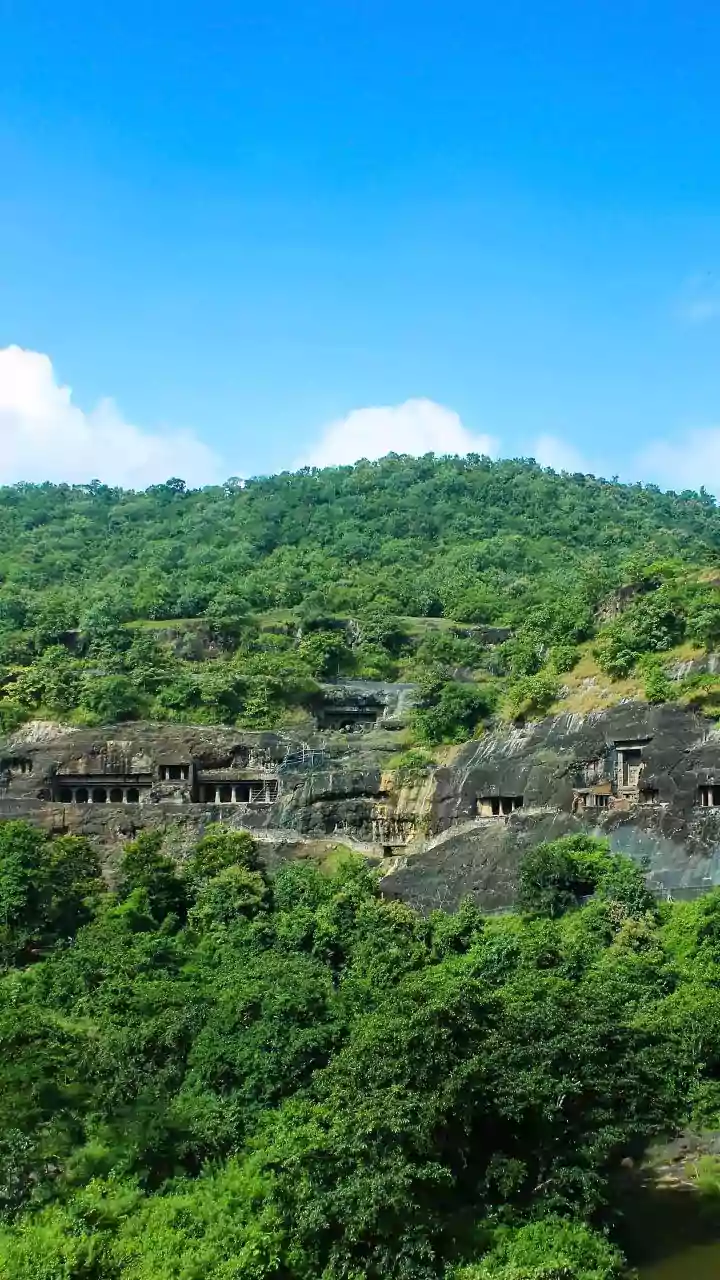
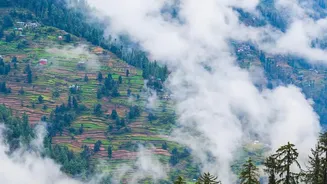

The idea of an Indian holiday is undergoing a quiet revolution. For a growing number of travellers, the focus is shifting from bustling city tours and crowded monuments to the serene call of the wild and the authentic charm of the countryside.
A Shift in the Traveller's Mindset
For decades,
the quintessential Indian tour revolved around historical circuits and major metropolitan hubs. But today’s travellers, particularly from Tier II and III cities, are increasingly driven by a desire for unique experiences, relaxation, and personal growth. Recent trends show a move away from the 'perfect holiday' pressure towards more flexible, personal, and authentic journeys. This has fueled a boom in domestic tourism, with a growing appetite for adventure, wellness, and deeper connections with nature. People aren't just looking for a vacation; they're seeking to recharge mentally and physically in ways that cities cannot offer.
The Allure of the Wild
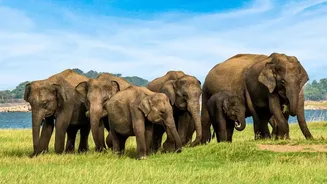
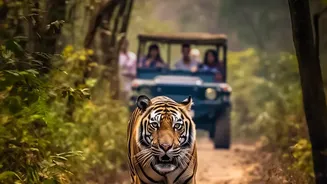
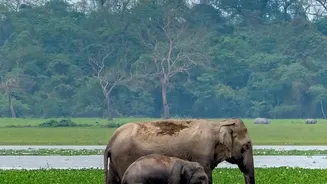
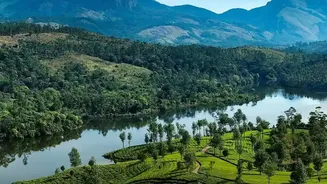
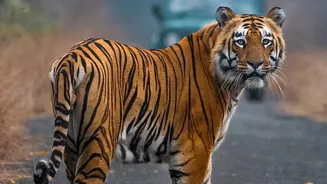
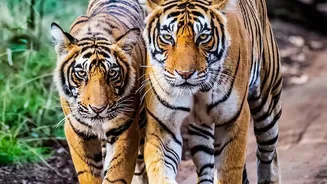
Wildlife tourism is a powerful force in this transformation. The market is experiencing significant growth, projected to expand by over 10% annually in the coming years. While the thrill of spotting a tiger in famous reserves like Ranthambore or Bandhavgarh remains a huge draw, the interest is broadening. Travellers are now exploring lesser-known gems like Pench National Park in Madhya Pradesh or Nagarhole in Karnataka, seeking serene and less crowded encounters with nature. This trend extends beyond tigers to include the rich biodiversity of the Sundarbans' mangrove forests, the unique ecosystems of the Western Ghats, and the high-altitude parks of the Himalayas. More than just a safari, this new wave of tourism often involves naturalist-led journeys that help visitors understand the delicate balance of the forest.
Discovering the Soul of Rural India
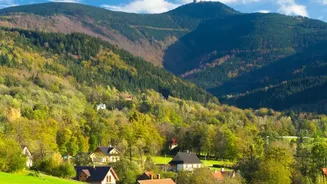
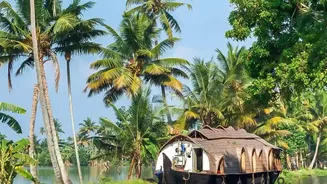
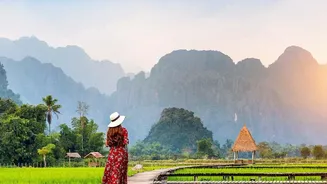
Parallel to the call of the wild is the gentle invitation of rural life. Rural tourism is emerging as a key driver of inclusive growth, showcasing village life, art, and culture. The concept is simple but profound: trade a hotel room for a homestay, a restaurant meal for a home-cooked feast, and a city tour for a walk through a farm. This shift benefits both sides. Travellers get an authentic immersion into local traditions, while communities gain new sources of income and employment that help preserve their heritage. Governments have taken notice, with several states launching initiatives to develop village tourism. Uttar Pradesh, for example, is developing hundreds of villages as tourism hubs, while Sikkim is adding adventure activities in rural areas to encourage longer stays. These efforts aim to take tourism 'beyond monuments' and into the heart of India.
Why This Change Is Happening Now
Several factors are driving this redefinition of the Indian holiday. The post-pandemic world has amplified the desire for open spaces and wellness. A report noted that a high percentage of Indian travellers actively seek experiences that calm the body and reset the nervous system. There's also a growing environmental consciousness, with many travellers opting for sustainable choices that support conservation and local communities. This responsible approach, sometimes called 'Travel for LiFE', encourages tourists to make choices that benefit the places they visit. Furthermore, improved infrastructure, like new expressways, is making remote destinations more accessible, allowing travellers to create their own circuits connecting wildlife sanctuaries, rural homestays, and natural wonders.