


Beyond the Wide-Angle Lens
The first rule of analysing hotel photos is to be healthily sceptical. Professional photographers are masters of making spaces look their best, and hotels invest in this to drive bookings. A common technique is using a wide-angle lens, which can make
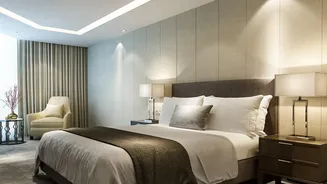
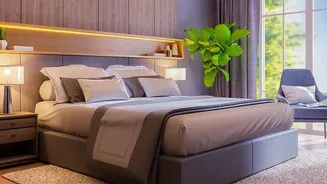
a room appear significantly more spacious than it is. While great for capturing the whole room in one shot, it can distort furniture and create an unrealistic sense of scale. Pay attention to the relative size of objects. Does the bed look unusually long? Does the chair in the corner seem oddly small? Another trick is shooting from a low angle, often from a corner, to maximize the visible floor area and make the room feel grander. Also, be aware of what is not shown. If there are no full shots of the room, only close-ups on details, it might be a way to hide a lack of space or an awkward layout.
Decoding Room Categories
The hospitality industry has no universal standard for room names. A 'Deluxe Room' at one hotel could be the equivalent of a 'Superior' at another, or even a 'Standard' at a more luxurious property. This makes comparing rooms based on name alone unreliable. Instead, use the photos to find tangible differences. When a hotel lists multiple categories like Standard, Superior, and Deluxe, look for what changes in the pictures. A Superior room might offer more square footage, a better view, or a location on a higher floor away from noisy areas. A Deluxe room might feature upgraded furniture, premium toiletries, or a private balcony. Don't be swayed by a fancy name; focus on the visible amenities. A true suite should have a physically separate living area, not just a slightly larger room with a sofa. If the photos for different categories look nearly identical, the upgrade might not be worth the extra cost.
The Importance of the Window
A room’s windows are crucial to the guest experience, affecting everything from mood to perception of space. Hotel photographers know this and often shoot during the 'golden hour' at sunrise or sunset to bathe the room in warm, flattering light. When examining photos, look for how much natural light the room actually gets. Are the curtains open, and is the light pouring in, or are they strategically drawn with many lamps turned on to compensate for a dark space? Natural light not only reduces stress but makes a room feel more spacious and welcoming. The view is another critical factor. A photo might show a stunning ocean view, but is it from that specific room category, or just a generic shot from the hotel's best suite? If a view is important to you, look for photo descriptions that explicitly state 'Ocean View King' or similar, which ties the view to a specific room type.
What the Bathroom Reveals
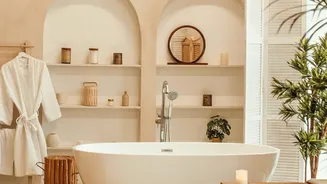
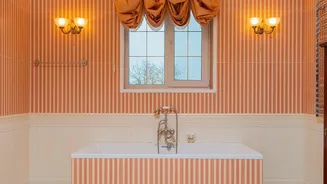
The bathroom is often the best indicator of a hotel's true standards of cleanliness and maintenance. A pristine, well-lit bathroom suggests the hotel pays attention to detail. When looking at bathroom photos, check for a few key things. First, look at the fixtures. Are they modern and clean, or dated and worn? Look for signs of mould or mildew in the corners of the shower or tub. Second, consider the amenities. Are they generic dispensers or premium, branded toiletries? Photos showcasing brand-new, fluffy white towels are a good sign of quality. Finally, assess the space and lighting. Photographers use mirrors and wide lenses to make small bathrooms seem larger, so be mindful of this. If the bathroom has a window with a great view, hotels will almost always feature it, as this is a huge selling point. A lack of bathroom photos, or only very tight close-ups, can be a red flag.