




India’s Frugal Engineering Edge
India has long been celebrated for its ability to achieve remarkable feats in space on a shoestring budget. The successful Chandrayaan-3 mission, which made India the first nation to land near the lunar south pole, cost an estimated $75 million—less than
the production budget of many Hollywood space blockbusters. This principle of 'frugal innovation' is now fueling a new wave of private companies. As the Indian Space Research Organisation (ISRO) strategically shifts its focus toward research and major exploration missions, it is handing over the manufacturing of rockets and satellites to the private sector. This has catalyzed the growth of nearly 450 space startups in the country, creating a vibrant ecosystem ready to build the next generation of space technology, from launch vehicles to the sophisticated rovers needed for lunar surface exploration. This expertise in creating cost-effective, reliable technology is precisely what commercial lunar operators need to make their business models work.
The Startups Leading the Lunar Charge
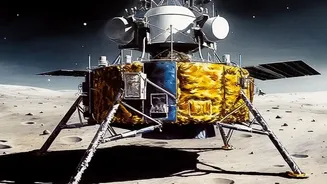
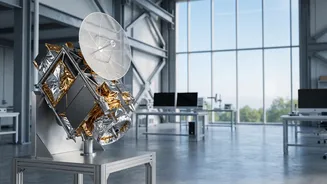
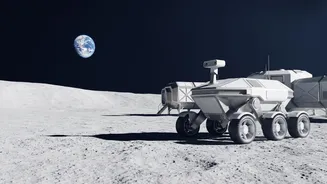
At the forefront of this movement are a handful of ambitious Indian startups. While early pioneers like TeamIndus, which competed for the Google Lunar XPRIZE, laid the groundwork by demonstrating private lunar mission capabilities, a new generation is now taking the stage. Companies are now designing and building small, lightweight rovers capable of carrying scientific and commercial payloads across the lunar surface. For example, ORBITBeyond is establishing a global space systems center in Odisha to design and manufacture lunar landers and rovers for missions around the world, drawing on the expertise of engineers who worked on India's Chandrayaan missions. These startups are not just assembling parts; they are deeply involved in the engineering and design, creating systems built to withstand the harsh lunar environment—from extreme temperatures to abrasive moon dust—while keeping costs down. Their focus is on creating rovers that are not only affordable but also versatile enough to support a variety of payload types, from scientific instruments to commercial technology demonstrations.
Why Global Landers Are Taking Notice
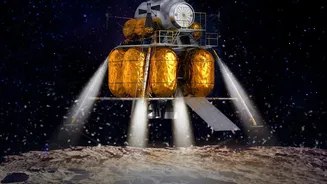
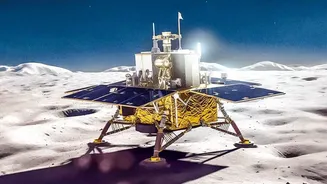
The primary customers for these Indian-made rovers are international companies operating commercial lunar landers, many under contract from agencies like NASA through its Commercial Lunar Payload Services (CLPS) program. The CLPS initiative is designed to create a reliable delivery service to the Moon, and operators like Astrobotic and Intuitive Machines are constantly looking for ways to maximize the scientific return and commercial viability of each mission. Offering payload delivery for a fraction of the cost of traditional government-led missions opens the door for smaller countries, universities, and private researchers to send experiments to the Moon. Indian-built rovers fit perfectly into this model. A low-cost rover allows a lander to offer mobility as a service, vastly expanding the exploration area beyond the immediate landing site. Instead of just analyzing one spot, a rover can travel kilometers, analyze different geological features, and even explore permanently shadowed regions that may hold water ice. This capability makes a lunar mission significantly more valuable to potential clients.
The Road Ahead for a Lunar Supply Chain
The collaboration between Indian startups and commercial landers is more than a trend; it's the beginning of a new global supply chain for the burgeoning lunar economy. As India signs international agreements like the Artemis Accords and as NASA invites ISRO to participate in its permanent Moon base program, the opportunities for private Indian companies are set to expand dramatically. India's national space ambitions, which include a new space station by 2035 and sending an astronaut to the Moon by 2040, will further bolster the domestic industry. This synergy between government vision and private-sector agility is creating a powerful engine for growth. The rovers being developed today are just the beginning. As demand grows for more complex missions, these startups will likely expand into building larger rovers, payload deployment systems, and even components for lunar habitats. They are not just suppliers; they are becoming integral partners in the quest to build a sustainable human presence on the Moon.