



The Myth of the Second Kadai
Many households fall into the trap of thinking they need two versions of every dish—a spicy one and a non-spicy one. This leads to more cooking, more cleaning, and the feeling that you’re running a restaurant instead of a home kitchen. The reality is that great
Indian cooking is built on layers of flavour, and heat is just one of those layers. By treating the chilli as a final, flexible addition rather than a non-negotiable part of the base, you can create a single, harmonious dish that everyone can enjoy. The goal is to build a universally delicious foundation that can be customized at the very end.
Build a Flavourful, Neutral Base
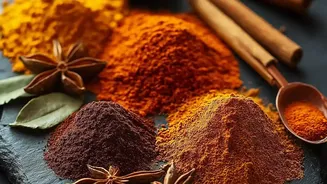
The foundation of any good curry, dal, or sabzi is its aromatic base, not its spice level. Focus on creating depth here. Start by blooming whole spices like cumin seeds, bay leaves, or cinnamon in hot oil or ghee to release their fragrance. Follow this with a slowly caramelized base of onions, ginger, and garlic, which adds a deep, savoury sweetness that is crucial for a well-rounded dish. Next, add ground spices like turmeric, coriander powder, and a hint of garam masala. At this stage, you purposefully omit or use a minimal amount of red chilli powder. This base is rich, fragrant, and complex on its own, satisfying for those who prefer mild food, and a perfect canvas for those who want more heat.
The Finishing Tadka: A Spoonful of Magic
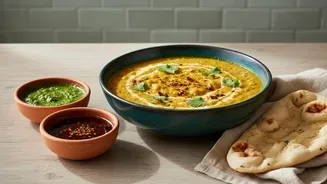
The ‘tadka’ or tempering is a cornerstone of Indian cooking, often used as a finishing touch that can transform a dish. This is your primary tool for customisation. After you’ve served a portion from the main, mildly spiced pot, you can create a quick, fiery tadka for those who want it. In a small pan or tadka ladle, heat a spoonful of ghee or oil. Add mustard seeds, cumin seeds, a pinch of asafoetida (hing), and a generous amount of finely chopped green chillies or whole dried red chillies. Let them sizzle and pop for about 30 seconds until fragrant, and then pour this sizzling, aromatic oil directly over an individual bowl of dal, curry or khichdi. It adds instant, vibrant heat without altering the original dish.
Harness the Power of Condiments
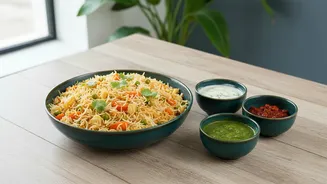
Never underestimate the power of a good chutney or pickle. Instead of loading the main dish with spice, offer a selection of fiery accompaniments on the table. A homemade garlic-chilli chutney, a zesty green chilli and coriander sambal, or a classic mango pickle can provide all the heat a spice-lover craves. This approach empowers each person to control their own spice level, turning the meal into an interactive experience. A cooling raita (yogurt dip) can also be served alongside, which not only balances the flavours but can also be used to temper any dish that might be slightly too spicy.
Infused Oils and Spice Powders
Another simple yet elegant solution is to prepare spice-infused oils and powders that can be drizzled or sprinkled at the table. A homemade chilli oil, made by gently heating oil with a generous amount of red chilli flakes and perhaps some garlic, is a versatile condiment. Similarly, a dry spice powder, like a South Indian ‘podi’ or ‘gunpowder’, made from roasted lentils, seeds, and red chillies, can be sprinkled over everything from idlis and dosas to simple rice and ghee, adding both texture and a kick of spice. These can be made in batches and stored for weeks, always ready to customize a meal.