


More Than Just a Pretty Flower
A balcony filled with a single type of flower, like marigolds or petunias, might look uniform and neat, but to local wildlife, it's a food desert. A thriving ecosystem, even a small one on a balcony, is built on diversity. Different creatures have different
needs, and a variety of plants is the only way to meet them. Wildlife looks for food, shelter, and places to raise their young. A garden that offers only one thing is like a restaurant with only one item on the menu—it will only attract a very limited clientele. Native plants, in particular, are crucial because local insects and birds have co-evolved with them over thousands of years. They provide the specific nectar, pollen, and leaves that native wildlife needs to survive. Even a few pots of native species can make a significant difference.
A Buffet, Not Just a Snack
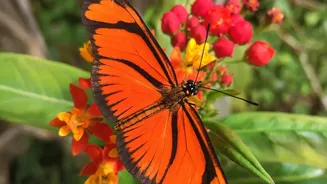
Variety ensures you’re offering a full buffet for different species. For example, bees come in all shapes and sizes, and they are attracted to different types of flowers. Some, like bumblebees, can access deep, trumpet-shaped flowers, while smaller native bees may need open-faced blooms like cosmos or sunflowers. Butterflies, on the other hand, need nectar-rich flowers to feed on, but they also require specific 'host plants' like milkweed to lay their eggs and for their caterpillars to eat. Then there are the birds. While some, like sunbirds, are drawn to the nectar in hibiscus and ixora flowers, others are looking for seeds and berries. Planting a mix that includes flowers for nectar, plants that produce seeds (like sunflowers after they bloom), and maybe even a berry-producing shrub can attract a much wider range of feathered visitors.
Covering the Calendar, Not Just One Season
A critical aspect of a wildlife-friendly garden is providing food throughout the entire year. If all your plants bloom in spring, pollinators will have nothing to eat in summer and autumn. Planning for continuous, overlapping blooms is essential. This means selecting plants that flower at different times. You could have early spring bloomers to help bees emerging from hibernation, a riot of summer flowers for the peak season, and late-blooming species like asters or salvias to feed pollinators preparing for winter or migration. This non-stop food supply encourages wildlife to see your balcony not just as a one-time stop, but as a reliable habitat worth returning to again and again.
Providing Shelter and Structure
A successful wildlife habitat offers more than just food; it provides shelter from predators and the elements. A garden with only one type of low-growing flower offers very little protection. By mixing plants of different heights, shapes, and densities, you create a layered environment. Taller, bushier plants like hibiscus or even a climbing vine like jasmine can give birds a safe place to perch or rest. Dense foliage offers cover for insects, and the leaves that fall can create a natural litter where beneficial bugs might live. Grouping pots together can also create microclimates and nooks for wildlife to hide in. This structural complexity is just as important as the floral resources, turning your balcony from a simple flower box into a functioning mini-ecosystem.