



Upgrade to a Water-Resistant Bag
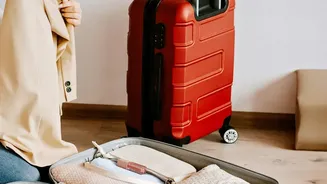
Your first line of defence is the bag itself. While your regular canvas or cotton backpack might be stylish, it offers little protection against a steady drizzle, let alone a downpour. Investing in a water-resistant backpack is a game-changer for daily
commutes or travel. Look for bags made from materials like PU-coated nylon, polyester, or PVC. These fabrics are designed to repel water, keeping the contents significantly drier. Many modern backpacks also feature waterproof zippers and welded seams, which prevent moisture from seeping through the most vulnerable points. It’s a practical, one-time investment that saves you the daily hassle of worrying about your laptop, documents, and other essentials.
Embrace the Double-Bagging Method
For an extra layer of security, especially for your most valuable items, adopt the double-bagging strategy. This doesn’t have to be complicated. Placing electronics inside individual waterproof pouches or even simple zip-seal plastic bags before putting them in your main backpack provides double protection. You can buy dedicated 'dry bags', which are designed for activities like kayaking but are perfect for ensuring your phone, power bank, and camera stay completely dry. Keep a few extra zip-seal bags in your backpack; they take up no space and are invaluable for protecting your wallet, important papers, or headphones during an unexpected storm.
Create a 'First Aid' Kit for Wet Electronics
Accidents happen. If your phone or another gadget does get wet, what you do next is critical. First, immediately power the device off and do not plug it in. Gently tap it with the charging port facing down to let any excess water escape. Forget the old advice about using rice, as small grains can get lodged in ports and cause more damage. Instead, the best course of action is to place the device in an airtight container with several silica gel packets—the kind you find in new shoeboxes or vitamin bottles. These are designed to absorb moisture. Let it sit for at least 24 to 48 hours to dry out completely before you attempt to turn it on.
Waterproof Your Footwear Before You Step Out
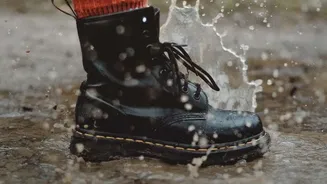
Nothing ruins a day faster than squelching around in wet shoes. Prevention is your best strategy. Before the season starts, treat your footwear with a quality waterproof spray. These sprays create a protective barrier that causes water to bead up and roll off the surface instead of soaking in. This works best on leather and synthetic materials. Remember to reapply the spray every few weeks for continued protection. For a simple home hack on leather or faux leather shoes, you can apply a thin, even layer of petroleum jelly, which helps repel water in a light shower. However, this method is not recommended for canvas or suede.
Master the Art of Drying Wet Shoes
When your shoes inevitably get soaked, proper drying is essential to prevent material damage, mould, and unpleasant odours. Never place them in direct sunlight or use a hairdryer, as intense heat can cause the material to crack and the glue to weaken. The best method is to stuff them with crumpled newspaper, which is highly absorbent. Replace the damp newspaper every few hours until the shoes are mostly dry. Removing the insoles and letting them dry separately will also speed up the process and allow for better air circulation. Once they are completely dry, store them in a cool, dry place to maintain their shape and freshness.
Pack a Quick-Dry Microfibre Towel
One of the most underrated monsoon essentials is a small microfibre towel. Unlike traditional cotton towels, microfibre is super absorbent and dries incredibly fast. Keep one in your bag to quickly wipe down a wet phone screen, dry your hands, or even pat down your hair after being caught in a shower. It's a lightweight, compact tool that can make you feel much more comfortable after a sudden soaking, allowing you to dry off and carry on with your day without feeling damp and miserable.