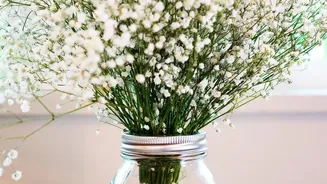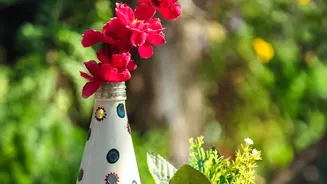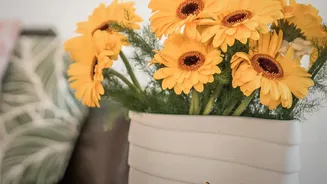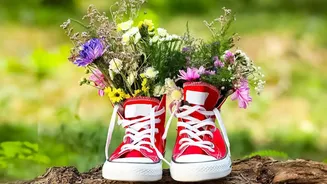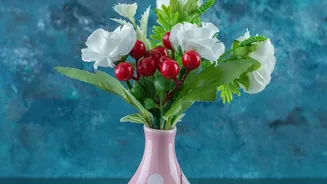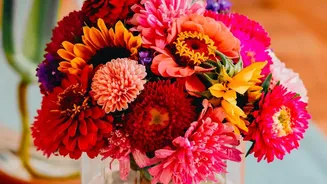





Turning a simple glass jar or a colourful bottle into a vase is a creative way to give household items a second life. But before you place that beautiful bouquet inside, it’s important to know which materials are safe for your fresh flowers.
Why the Right Container Matters
Choosing a
container for fresh flowers goes beyond simple aesthetics. The material of your upcycled vase can directly impact how long your blooms last. Some materials are porous, creating a breeding ground for bacteria that can clog flower stems and prevent water uptake. Others can react with the water or flower food, releasing substances that are toxic to plants. Stability is another key factor; a top-heavy or narrow-based container is a tipping hazard waiting to happen, threatening both your flowers and your furniture. By understanding the properties of different materials, you can ensure your arrangement stays vibrant and healthy for as long as possible.
The Safest Choices: Glass and Glazed Ceramics
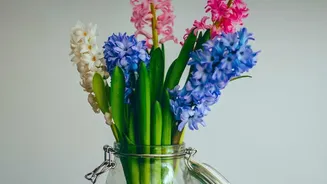
When in doubt, glass is your best friend. Glass is inert, meaning it won't react with the acidic water created by flower food. Its smooth, non-porous surface is easy to clean and doesn't harbour bacteria, which is a major cause of wilting. This makes everyday items like jam jars, pasta sauce containers, and glass bottles ideal candidates for upcycling. Similarly, fully glazed ceramics are an excellent option. The glaze acts as a waterproof barrier, preventing water from seeping out and stopping bacteria from growing in the ceramic's pores. Just be sure to check that the glaze is intact, without any chips or cracks where bacteria could hide.
Use With Caution: Metals and Plastics
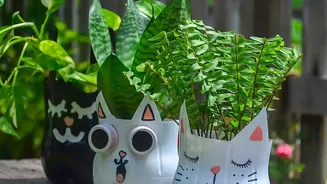
Metal containers can offer a rustic or industrial chic, but they come with a significant warning. Metals can react with the slightly acidic water in a vase, releasing ions that are toxic to many flowers and can cause burnt leaves or petals. If you have your heart set on a metal can or tin, always use a plastic or glass liner inside to prevent direct contact between the water and the metal. Plastics are another mixed bag. While convenient, they can be prone to tiny scratches that are difficult to clean and become havens for bacteria. If you do use a plastic bottle, ensure it is thoroughly cleaned and opt for thicker, more durable types that are less likely to scratch.
Materials to Avoid for Fresh Flowers
Some containers, while beautiful, are best reserved for dried arrangements. Unglazed ceramics like terracotta are highly porous and will absorb water, potentially leaking onto your furniture and encouraging rapid bacterial growth that harms flowers. Antique or lead crystal is another material to handle with care. While beautiful, lead can leach from the crystal into the water, especially over time. While occasional use for a shortterm arrangement is considered lowrisk, it's best to avoid longterm storage of water in these containers. Finally, any container with a peeling or chipped paint finish on the inside should be avoided, as the flakes can contaminate the water.
Preparation Is Everything
No matter what container you choose, its cleanliness is the single most important factor for extending the life of your flowers. Bacteria are the primary enemy of freshcut stems, blocking their ability to drink water. Before arranging your flowers, thoroughly wash your chosen vessel with hot, soapy water. For stubborn residue or odours from previous contents like pickles, a soak with a mixture of baking soda and water or white vinegar can be effective. Make sure to rinse the container completely to remove any soap or vinegar residue. A clean vase is the foundation of a longlasting, beautiful floral display.