


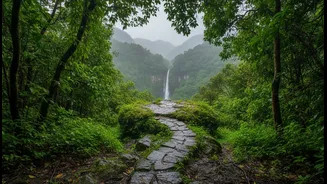


Embracing the Monsoon Magic
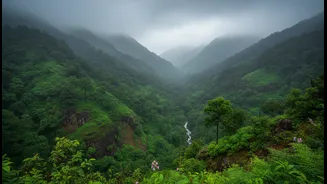
For years, the monsoon was considered the travel off-season in India. But a shift is underway. Travellers are now actively seeking out the drama of the rains, and the Western Ghats, a UNESCO World Heritage site, is their prime destination. The appeal
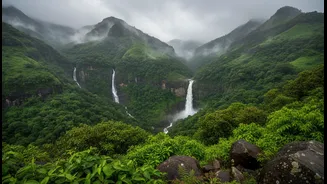
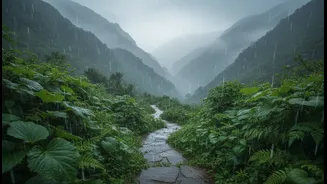
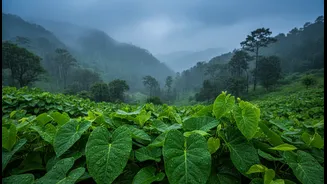
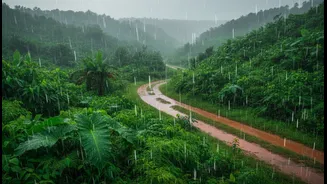
lies in its transformation; the hills shed their dusty coats and burst into a thousand shades of green. Waterfalls, dormant for months, come roaring back to life, and the air smells of wet earth and fresh foliage. This trend is driven by a desire for 'slow travel'—a more mindful approach that prioritizes connection over a packed itinerary. Instead of rushing between viewpoints, the goal is to simply be. It also helps that the monsoon season often means fewer tourists and lower prices for accommodation, offering a more serene and affordable escape.
Maharashtra’s Misty Hill Stations
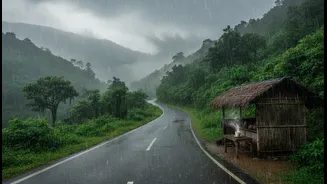
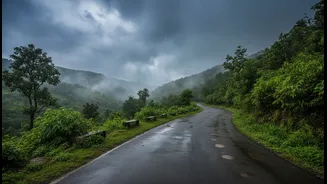
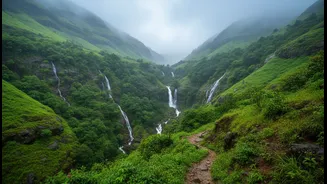
For those in Mumbai and Pune, the Sahyadri range of the northern Western Ghats offers the quickest entry into this misty world. Hill stations like Malshej Ghat, Lonavala, and Khandala become almost otherworldly. The drive itself is a key part of the experience, with winding roads that cut through clouds and offer glimpses of waterfalls cascading down cliffs. Malshej Ghat, in particular, is famous for its dense fog and hundreds of seasonal waterfalls that appear along the roadsides. The experience here isn’t about ambitious treks but about finding a spot to enjoy the cool, misty weather, sip on hot chai, and watch the clouds roll through the valleys. It's a sensory journey defined by the sound of rain and the breathtaking sight of a landscape reborn.
Karnataka’s Verdant Coffee Country
Further south, Karnataka's coffee-growing regions of Coorg and Chikmagalur offer a different but equally enchanting monsoon experience. Coorg, often called the 'Scotland of India', becomes a rolling expanse of lush greenery, with its famous Abbey Falls thundering at full force. Chikmagalur, home to some of Karnataka's highest peaks, feels wilder and more dramatic, with its steep hills and intimate estate homestays. This is the heart of India's coffee culture, and a slow monsoon break here means waking up to the smell of rain-soaked coffee plantations, taking meandering drives through misty estates, and curling up with a book as the rain patters outside. It’s an ideal setting for travellers who want a quieter, more atmospheric escape.
Kerala’s Rejuvenating Rainforests
In Kerala, the monsoon is not just a season; it's a wellness event. The state, known as 'God's Own Country', becomes exceptionally beautiful, with its backwaters shimmering under grey skies and tea gardens in Munnar and Wayanad shrouded in a thick blanket of mist. Traditionally, the monsoon is considered the best time for Ayurvedic treatments, as the cool, moist air is thought to make the body more receptive to therapies. Travellers come here to rejuvenate, enjoying houseboat rides on less-crowded backwaters or staying in rainforest retreats. The waterfalls are in their full glory, and the landscape offers countless moments for quiet reflection, making it a perfect destination for a truly restorative break.
What a Slower Break Entails
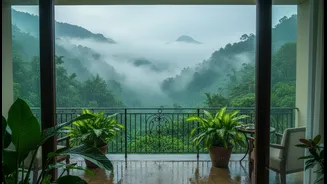
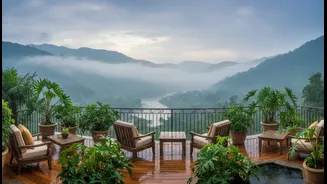
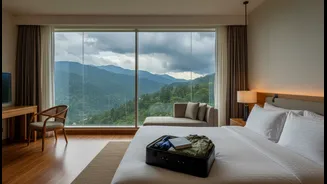
A slow break in the Western Ghats is less about doing and more about experiencing. It’s about trading a frantic sightseeing schedule for leisurely mornings spent watching the rain. It involves indulging in simple pleasures: enjoying local, seasonal food like hot pakoras and spicy fish curry, which somehow taste better in the cool weather. Activities are gentle and spontaneous—a short walk through a tea garden when the rain subsides, a drive to a nearby viewpoint enveloped in fog, or simply finding a cosy corner in a homestay. While it requires practical preparation like packing waterproof gear and being mindful of slippery paths, the reward is a deeper connection with nature and a chance to disconnect from the frantic pace of daily life. The focus shifts from what you see to how you feel.