





The New Wave of Green Thumbs
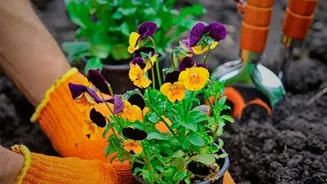
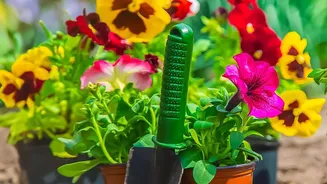
More than just a hobby, home gardening has become a lifestyle choice for many urban dwellers in India. This growing trend is rooted in a desire for fresh, organic produce, a way to reduce stress, and an opportunity to create a personal green sanctuary.
As people transform their balconies, terraces, and windowsills into productive patches, they are discovering that successful gardening isn't about luck; it's about planning. This fresh focus moves beyond simply owning plants to actively cultivating them in sync with nature's clock, making seasonal knowledge more valuable than ever.
Decoding India's Three Growing Seasons
India's agricultural calendar is broadly divided into three main seasons: Kharif (monsoon), Rabi (winter), and Zaid (summer). This framework, used by farmers for generations, is also the perfect guide for home gardeners. The Kharif season, starting with the monsoon in June, is ideal for crops that love humidity and water. The Rabi season, from October to March, brings cooler temperatures perfect for leafy greens and root vegetables. The short, hot Zaid season from March to June is suited for heat-tolerant plants. Understanding which plants thrive in each window is the foundation of a year-round harvest.
Planning Your Monsoon (Kharif) Garden
The monsoon season (June to September) is a period of vigorous growth. The combination of rain, humidity, and warmth is perfect for many vegetables. Excellent choices for this season include okra (bhindi), beans, cucumbers, and various gourds like bottle gourd (lauki) and bitter gourd (karela). Tomatoes, brinjals, and chillies also do very well. However, the key challenge during monsoon is managing excess water. Ensure your pots have excellent drainage to prevent root rot. It’s also wise to check the soil before watering; if it's already damp from the rain, hold off.
Prepping for a Bountiful Winter (Rabi) Harvest
Winter (October to March) is often considered the most rewarding season for home gardeners in India, especially in the northern plains. The cooler, milder weather is ideal for a wide variety of vegetables. This is the time to sow leafy greens like spinach (palak), fenugreek (methi), and lettuce. Root vegetables such as carrots, radishes, and beetroots also thrive. Other popular winter crops include peas, cabbage, cauliflower, and broccoli. Most winter vegetables require at least five to six hours of sunlight, so choose a sunny spot on your balcony or terrace.
Succeeding in the Summer (Zaid) Heat
The hot summer months (March to June) can be challenging, but with the right plant selection, your garden can remain productive. Focus on heat-tolerant vegetables that can withstand high temperatures. Gourds are a great choice, including ridge gourd (turai) and pumpkin. Okra, certain varieties of cucumber, and amaranth (chaulai) also perform well in the heat. To help your plants cope with summer stress, water them early in the morning to reduce evaporation and apply a layer of mulch (like dried leaves) to the soil to retain moisture and keep roots cool.
Beyond the Basics for Year-Round Success
To take your garden to the next level, think beyond just seasonal planting. Healthy soil is the foundation of a healthy garden, so regularly enrich your pots with compost or well-rotted manure. Consider companion planting; for example, growing marigolds can help deter pests from your vegetable plants. Crop rotation is another smart practice. Avoid planting the same type of vegetable in the same pot season after season to prevent nutrient depletion and reduce the risk of soil-borne diseases. By integrating these detailed strategies, you can ensure your garden remains vibrant and productive all year long.