




The Sweet Art of Jams and Murabbas
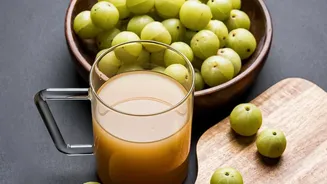
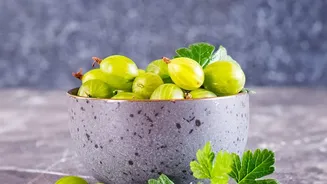
The most classic way to preserve fruit is by turning it into jam or murabba. This method works beautifully with a wide variety of Indian fruits, from the summer’s raw mangoes to winter’s amla (Indian gooseberry). The process is simple: fruit is cooked
down with sugar until it thickens into a spreadable consistency. For a basic raw mango jam, often called 'murba', you simply need grated raw mangoes and an equal or slightly greater amount of sugar. Cooking them together with flavourings like green cardamom creates a sweet and tangy spread perfect for toast, parathas, or as a side relish. Similarly, fruits like jamun (Indian blackberry), sweet lime, and apple can be turned into delicious, preservative-free jams at home. The key is to simmer the fruit until it softens and reduces, then add sugar or jaggery and cook until it reaches a jam-like consistency. This not only preserves the fruit but also concentrates its flavour into a delightful staple.
The Tangy World of Savoury Chutneys
Not all fruit preparations need to be sweet. Indian cuisine excels at creating complex, savoury chutneys from fruits that can elevate any meal. A classic mango chutney combines diced mangoes with vinegar, sugar, and a host of spices like ginger, garlic, cumin, coriander, and nigella seeds. The mixture is simmered for about an hour until it becomes a thick, fragrant relish that pairs wonderfully with everything from rice dishes to grilled meats. But mangoes aren't the only option. You can make fantastic savoury chutneys with apples, plums, or even a mix of seasonal fruits. The general principle involves cooking down the fruit with an acid (like vinegar or lemon juice) and a sweetener (like sugar or jaggery), along with a blend of spices that often includes chilli for heat, ginger for warmth, and other whole spices for aroma. These chutneys act as a powerful condiment, adding a burst of flavour to everyday meals.
Versatile Pickles (Achaar) for Year-Round Flavour
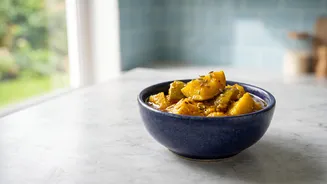
Pickling, or making achaar, is an ancient Indian tradition for preserving seasonal abundance. While mango pickle is the most famous, almost any firm fruit or vegetable can be pickled, including gooseberries (amla), lemons, and even carrots. The process often starts with cutting the fruit, salting it, and allowing it to dry slightly to remove excess moisture, which is crucial for shelf life. A special blend of spices, known as pickle masala, is then mixed with oil and combined with the fruit. This mixture is packed into clean, dry glass jars and left to mature for several days. The salt and oil act as preservatives, allowing the pickle to be stored for months. Pickles are a cornerstone of the Indian thali, with a small piece adding a potent kick of spicy, sour, and salty flavour to each bite.
Refreshing Syrups and Squashes
Another fantastic way to capture the essence of seasonal fruits is by turning them into syrups or squashes. These concentrated liquids can be diluted with water or soda for a refreshing drink or used as a topping for desserts like ice cream and pancakes. The process is straightforward: fruit juice or pulp is heated with a significant amount of sugar and a touch of acid, like citric acid or lemon juice, which helps in preservation. Fruits like jamun, raw mango (for aam panna syrup), oranges, and strawberries work exceptionally well. To make a simple fruit syrup, you combine the fruit, sugar, and a little water in a pan, bring it to a simmer until the fruit breaks down, and then strain the liquid. The high sugar content acts as a preservative, allowing you to store these vibrant syrups in the refrigerator for weeks.
Sun-Drying for Long-Term Storage
For those with access to strong sunshine, sun-drying is one of the oldest and most energy-efficient methods of fruit preservation. This technique is popular in regions like Ladakh for apricots and is used across the country for everything from mangoes (to make amchur) to bananas and tomatoes. To sun-dry fruit, you need to slice it thinly and uniformly. Arrange the pieces on a clean drying tray, ensuring they don't touch, which allows for good air circulation. The trays should be placed in direct sunlight for several days until the fruit is leathery and has no internal moisture. It's important to bring the trays inside at night to prevent moisture from re-collecting. The dried fruit can be stored in airtight containers for months and used in trail mixes, baked goods, or rehydrated for use in curries and other dishes.