



The Tyranny of the Supply Run
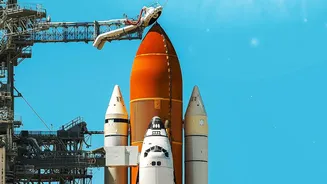
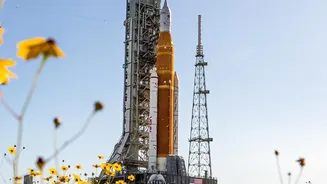
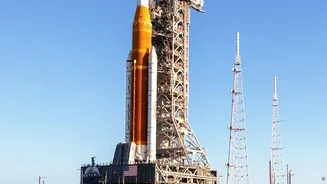
For any long-duration space mission, logistics are a nightmare. Every kilogram of water, food, and equipment must be launched from Earth, a process that is astronomically expensive and complex. A mission to Mars, for instance, could last over two years,
and packing enough supplies is simply not feasible. Without advanced recycling, estimates suggest a single manned Mars mission could require up to 30 tonnes of supplies to be launched from Earth. This reliance on Earth for resupply is the single greatest bottleneck preventing a sustained human presence on the Moon or other planets. Breaking this chain of dependence is not just a goal; it's a necessity.
Closing the Loop
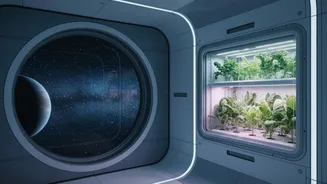
The answer lies in creating a 'closed-loop' life support system—an artificial ecosystem where nearly everything is reused. This concept is at the heart of next-generation space technology. Instead of viewing human waste, wastewater, and packaging as trash to be discarded, scientists see it as a valuable resource stream. The European Space Agency's (ESA) long-running MELiSSA project, for example, is inspired by terrestrial ecosystems and aims to create a self-sustaining system to produce oxygen, water, and food from waste with nearly 100% efficiency. By perfectly recycling resources, missions can become vastly more autonomous, safer, and ultimately, possible.
From Wastewater to Drinking Water
Water is heavy, and launching it is expensive. The good news is that we're already very good at recycling it in space. On the International Space Station, systems already reclaim and purify water from astronauts' breath, sweat, and urine. Next-gen systems are pushing this even further. In June 2026, NASA began testing a mobile wastewater treatment facility designed to support lunar and Martian habitats. This system not only purifies water but also converts food and fecal waste into nutrient-rich water that can be used to grow plants hydroponically, essentially turning waste into a source for both clean water and fresh food.
Turning Trash into Tools
Beyond biological waste, deep space missions will generate a significant amount of inorganic trash, from food packaging and discarded clothes to used science equipment. Getting rid of it is a problem; reusing it is a game-changer. NASA's In-Space Manufacturing (ISM) portfolio includes projects focused on turning these waste streams into usable components. This involves developing 3D printing systems that can take shredded plastic packaging and other materials and transform them into replacement parts, tools, or even furniture. Some research is even exploring how to produce bioplastics from organic waste that can then be fed into these 3D printers, creating a truly circular manufacturing economy millions of miles from Earth.
The Foundation for Off-World Industry
This focus on recycling is the first step toward a much grander vision: In-Situ Resource Utilization (ISRU). ISRU is the practice of 'living off the land'—harvesting and processing local materials on the Moon or Mars to produce what's needed. This could mean extracting water ice from lunar craters or processing Martian soil for building materials and breathable air. The technologies being perfected for recycling mission waste—chemical reactors, advanced filtration, and autonomous systems—are the foundational skills and hardware required for ISRU. Mastering recycling in a contained habitat is the proving ground for building sustainable infrastructure that could one day support entire off-world colonies.