





From Regional Gem to Viral Gimmick
One day it’s a cherished local dish, the next it’s a viral sensation drenched in cheese and mayonnaise for shock value. Social media has an undeniable power to popularise food. It can turn a small street-side vendor into an overnight star and introduce
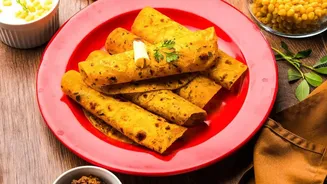
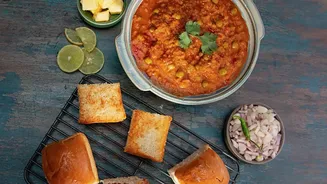
a forgotten regional specialty to a national audience. This visibility is often celebrated as a democratic force, giving Maharashtrian pithla-bhakri or Bengali shorshe ilish the same screen time as butter chicken. However, there's a fine line between celebration and caricature. When a dish goes viral, the algorithm often rewards novelty and extremity over authenticity. The complex history, specific techniques, and cultural significance of a dish get flattened. It is stripped of its context and becomes a mere visual trend, a gimmick designed to stop the scroll rather than to be understood and appreciated. This process can reduce rich culinary traditions to their most basic, shareable, and often, most bizarre forms.
The High Cost of Homogenization
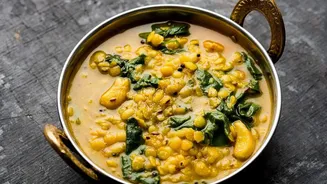
India’s greatest culinary strength is its staggering diversity. The food in Kerala is fundamentally different from the food in Punjab, and a Bengali dal is worlds away from its Rajasthani counterpart. This diversity is a living library of our history, geography, and culture. Viral food culture, however, often pushes towards a strange kind of sameness. The same set of trending ingredients—be it excessive cheese, bizarre chocolate combinations, or unorthodox infusions—are applied indiscriminately to everything from dosas to biryani. Restaurants, chasing footfall driven by social media, feel pressured to add these 'Instagrammable' items to their menus. A Delhi-based restaurateur noted that the first question is no longer about authenticity, but whether a dish will make someone stop scrolling. While this makes business sense in the short term, the long-term cultural cost is the erosion of regional identity. We risk creating a pan-Indian menu of viral hits that taste more like the internet than any specific place.
It’s About Respect, Not Gatekeeping
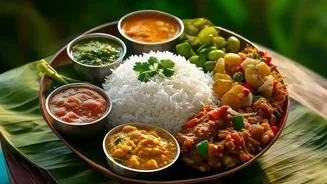
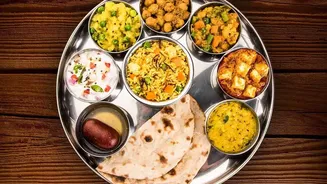
To criticise this trend is not to be a purist or a gatekeeper. Food evolves, and fusion has always been a part of Indian culinary history. The issue isn't innovation itself, but the lack of respect in how it’s often executed. True fusion is born from a deep understanding of the cuisines being blended. What we often see online is not fusion, but confusion—a chaotic piling-on of ingredients without regard for the original dish's integrity. As one food writer notes, virality is not the same as visibility, and visibility is not the same as respect. Respect means taking the time to understand the 'why' behind a dish. Why is a certain spice used? What is the traditional method of preparation? Who are the communities that have preserved this recipe for generations? When an influencer tries a South Indian thali for the first time and openly asks questions to learn, it fosters connection. When another mocks Indian food with derogatory terms, it fuels negative stereotypes.
A More Mindful Food Culture
So, what does a more respectful food culture look like in the age of social media? For creators, it means shifting the focus from just the ‘what’ to the ‘why’ and ‘how’. Instead of just chasing the next outrageous combination, they can use their platforms to tell the stories behind the food. Give credit to the region, the community, and the home cooks who perfected these dishes. Explain the cultural context and celebrate the nuances, not just the novelty. For consumers, it means being more conscious of what we choose to like, share, and ultimately, eat. We can support creators who do their homework. We can seek out restaurants that champion authentic regional food, not just fleeting trends. Social media has opened up India's kitchens to the world, which is a wonderful thing. The challenge now is to ensure that in our rush to capture and share, we don’t trample over the very cultures we claim to be celebrating.