




The Unspoiled Allure of Ziro
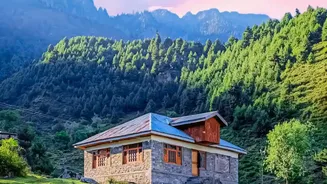
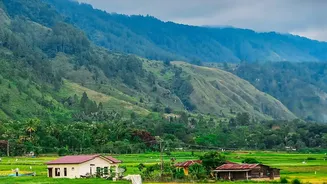
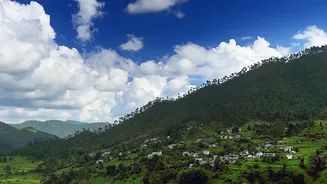
Tucked away in the mountains of Arunachal Pradesh, Ziro Valley is a lush, bowl-shaped paradise that feels like a world apart. It's a landscape of sprawling terraced rice paddies, dense bamboo groves, and misty hills, so visually stunning it's been shortlisted
as a UNESCO World Heritage Site. Home to the Apatani community, the valley offers a rare glimpse into a way of life that is deeply connected to nature. For young travellers weary of urban chaos, Ziro’s tranquillity isn't just a change of scenery; it's a complete reset for the soul. The air is clean, the views are panoramic, and the pace is unhurried, offering an escape that feels both adventurous and deeply restorative.
Choosing Homestays Over Hotels
The preference for homestays in Ziro is a deliberate choice. Unlike generic hotels, which are few and mostly functional, homestays offer total immersion. Run by local Apatani families, these stays are often traditional bamboo houses built on stilts, featuring a central hearth that serves as the heart of the home. Choosing a homestay means waking up to the rhythms of village life, sharing home-cooked meals prepared with fresh, local ingredients, and sipping 'apong' (local rice beverage) while listening to family stories. This trend is driven by a generation of travellers who prioritise authentic connections and community support over conventional luxury. Staying in a homestay ensures that tourist spending directly benefits the local economy and supports the preservation of a unique culture.
The Rise of the Conscious Traveller
The movement towards places like Ziro reflects a broader shift in Indian tourism. Young travellers, particularly Gen Z and Millennials, are increasingly making eco-conscious choices. Studies show a significant majority of this demographic prefers sustainable travel options that align with their values. They are moving away from mass tourism and its environmental toll, instead seeking out destinations that practice responsible tourism. In Ziro, this translates to supporting the Apatani’s centuries-old sustainable practices, such as their unique paddy-pisciculture system where fish are reared in the rice fields. This conscious mindset is less about ticking off a bucket list and more about engaging meaningfully with a place and its people.
Your Gateway: The Inner Line Permit
Before you can lose yourself in the beauty of Ziro, there's one crucial step: securing an Inner Line Permit (ILP). As Arunachal Pradesh is a protected state, all non-resident Indian citizens require this official travel document to enter. The purpose of the ILP is to regulate entry and protect the region's fragile ecology and indigenous cultures. Fortunately, the process is now straightforward. You can apply online through the official government portal by providing a photo ID (like an Aadhaar card), a passport-sized photograph, and your travel itinerary. The permit is typically processed within a few working days. While it might seem like an extra step, the ILP system is what helps preserve the very pristine character that makes Ziro so special.
Planning Your Ziro Escape
The best time to visit Ziro is generally from March to May and again from September to October, when the weather is pleasant and the landscape is at its most vibrant. September is particularly popular due to the Ziro Festival of Music, an outdoor indie music event that attracts visitors from across the country. Beyond the festival, there is plenty to do. You can trek through the Talley Valley Wildlife Sanctuary, hike to viewpoints like Kile Pakho for stunning Himalayan vistas, or simply walk through the Apatani villages of Hong, Hija, and Hari to observe daily life. Getting there usually involves a flight to a major hub like Guwahati, followed by a train to Naharlagun and then a scenic four-hour drive to Ziro.