



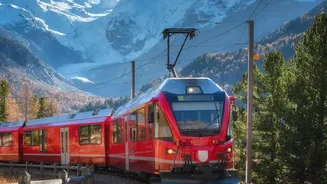
The UNESCO Gem: Kalka to Shimla
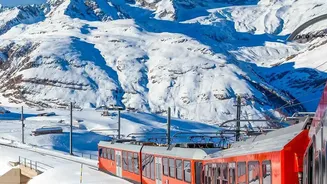
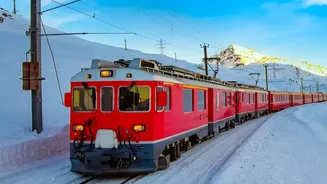
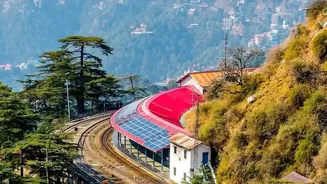
The Kalka-Shimla Railway is a UNESCO World Heritage Site and one of India’s most iconic winter journeys. This narrow-gauge 'toy train' climbs over 1,400 metres, navigating more than 102 tunnels and 800 bridges on its way to the 'Queen of Hills'. The journey,
which takes around five to six hours, is spectacular when the landscape is blanketed in snow, offering breathtaking views of the Shivalik hills. Trains like the Shivalik Deluxe Express and the Himalayan Queen become vessels through a winter wonderland, especially between December and February when snowfall is most likely.The last-mile challenge begins upon arrival at Shimla station. While the main town is nearby, heavy snowfall can make local roads slippery and difficult to navigate. Taxis and local buses may face delays or be unable to reach certain areas. In past winters, heavy snow has disrupted access to popular spots like Kufri and Narkanda, just beyond Shimla. It's essential to have buffer time in your schedule and communicate with your hotel about the most accessible routes. Sometimes, the only option is to walk the final stretch, so packing sturdy, waterproof boots is non-negotiable.
The Paradise Route: Journey to Kashmir
Reaching the Kashmir Valley in winter by train is an adventure in itself, culminating in some of India's most dramatic snowy landscapes. The key is the Jammu-Udhampur-Srinagar-Baramulla Rail Link (USBRL), with services like the Vande Bharat Express now connecting Jammu Tawi directly to Srinagar. This route has become a reliable alternative, especially when flights are cancelled due to fog or snow. As the train passes through the Pir Panjal range, particularly on the stretch from Banihal, passengers are treated to scenes of snow-covered fields and frozen rivers.However, the train only gets you part of the way. The final leg to destinations like Gulmarg or Pahalgam depends entirely on road transport. The main Jammu-Srinagar highway (NH-44) is prone to closures due to heavy snow and landslides, particularly around the Banihal sector. Even though tunnels have improved connectivity, blockages can still strand vehicles for hours or even days. To reach Gulmarg, a popular ski destination, the road from Tangmarg can become impassable without 4x4 vehicles or snow chains. Travellers must check road status updates from local authorities before setting out and be prepared for significant delays.
The Valley Passage: Kangra Valley Railway
For a less-trodden yet equally serene winter experience, the Kangra Valley Railway offers a gentle journey through the Himalayan foothills. This narrow-gauge line runs from Pathankot to Joginder Nagar, providing panoramic views of the mighty Dhauladhar range. The slow pace of the train allows for an unhurried appreciation of the landscape, passing through tea gardens, pine forests, and small villages. While heavy snow directly on the tracks is less common than on higher-altitude routes, the surrounding peaks are often beautifully dusted with white, creating a crisp, picturesque setting.The main consideration here is reaching popular destinations like Dharamshala and McLeod Ganj from the nearest railway stations, such as Kangra. The road journey from Kangra to McLeod Ganj can be challenging in winter. Snowfall is less predictable here than in Shimla or Kashmir but can still make roads slippery and dangerous, especially on the steep, winding sections leading up to McLeod Ganj. Local taxi drivers are experienced, but it's wise to plan your travel during daylight hours and keep flexible plans in case of poor weather. Checking with your hotel in McLeod Ganj about current road conditions before you travel is highly recommended.
Your Winter Travel Checklist
A successful winter trip is all about preparation. Regardless of your destination, a few key strategies will help you navigate the challenges of snow and cold. First, dress in layers. A moisture-wicking base layer, an insulating fleece or down jacket, and a waterproof outer shell will keep you warm and dry. Don't forget insulated gloves, a warm hat, and waterproof shoes with good grip.Second, always build buffer days into your itinerary. A journey that takes six hours in summer could take much longer in winter due to road closures or delays. This is especially true for the Jammu-Srinagar highway. Third, stay informed. Before and during your trip, regularly check weather forecasts from the India Meteorological Department (IMD) and road status updates from local police and disaster management authorities. Finally, keep essentials handy. Pack a thermos with a warm drink, energy-rich snacks, a power bank for your phone, and any personal medications. This ensures that even if you face an unexpected delay, you'll remain comfortable and safe.