




The Rainfall Deficit Explained
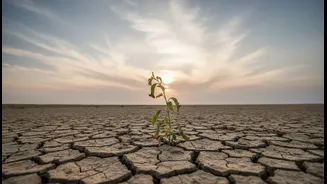
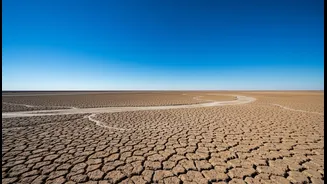
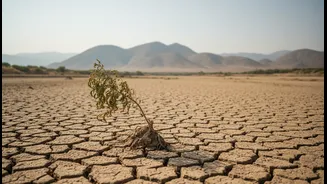
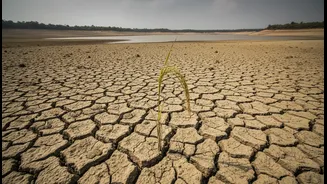
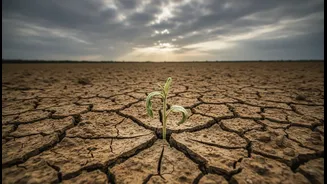
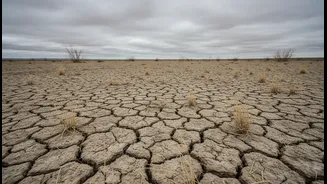
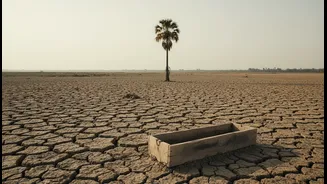
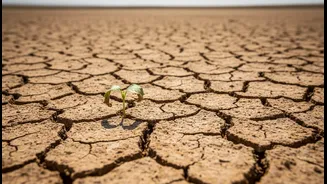
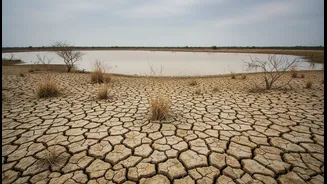
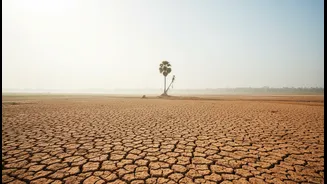
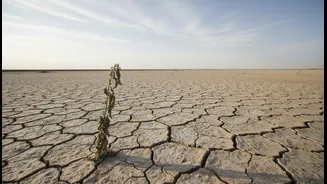
The numbers paint a clear picture of a delayed and weakened monsoon. As of early July 2026, the seasonal rainfall deficit for Goa stood at 26.7%. While a brief spell of heavy showers in late June and early July offered some relief and improved water levels
in dams, the monsoon quickly lost momentum. The first week of July, typically the peak of the rainy season, saw only light to moderate showers. The India Meteorological Department (IMD) recorded a total of 898.6mm of rainfall this season by July 9, far short of the 1225.2mm considered normal for this period. Temperatures have also been nearly three degrees above normal, adding to the sultry conditions. Forecasters at the IMD note that the systems driving the monsoon are weak, predicting that this subdued, drier mode is likely to continue for the immediate future.
For Residents: Water Worries and Rising Heat
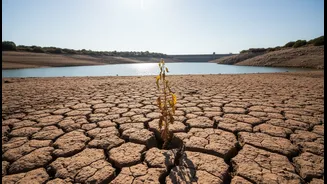
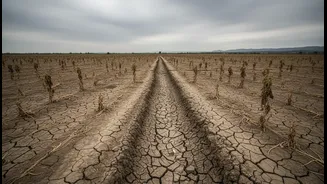
For Goans, the most immediate concern is water. The weak start to the monsoon has put significant pressure on the state's reservoirs. In mid-June, prior to the brief heavy spells, authorities reported that key dams like Selaulim and Anjunem had critically low water levels, with stocks that could last for only about a month. The Selaulim dam, which supplies water across South Goa, was just 27% full, while the Anjunem dam had plummeted to 9.9%. Although the recent rains have slightly improved the situation, the underlying deficit remains a major concern for both drinking water supply and agriculture. Farmers who depend on the monsoon for paddy cultivation are watching the skies anxiously. The government has urged residents not to panic but has also cautioned that the situation could become difficult if the dry spell continues, hinting at the possibility of stricter advisories on water usage.
For Travellers: Adjusting Monsoon Expectations
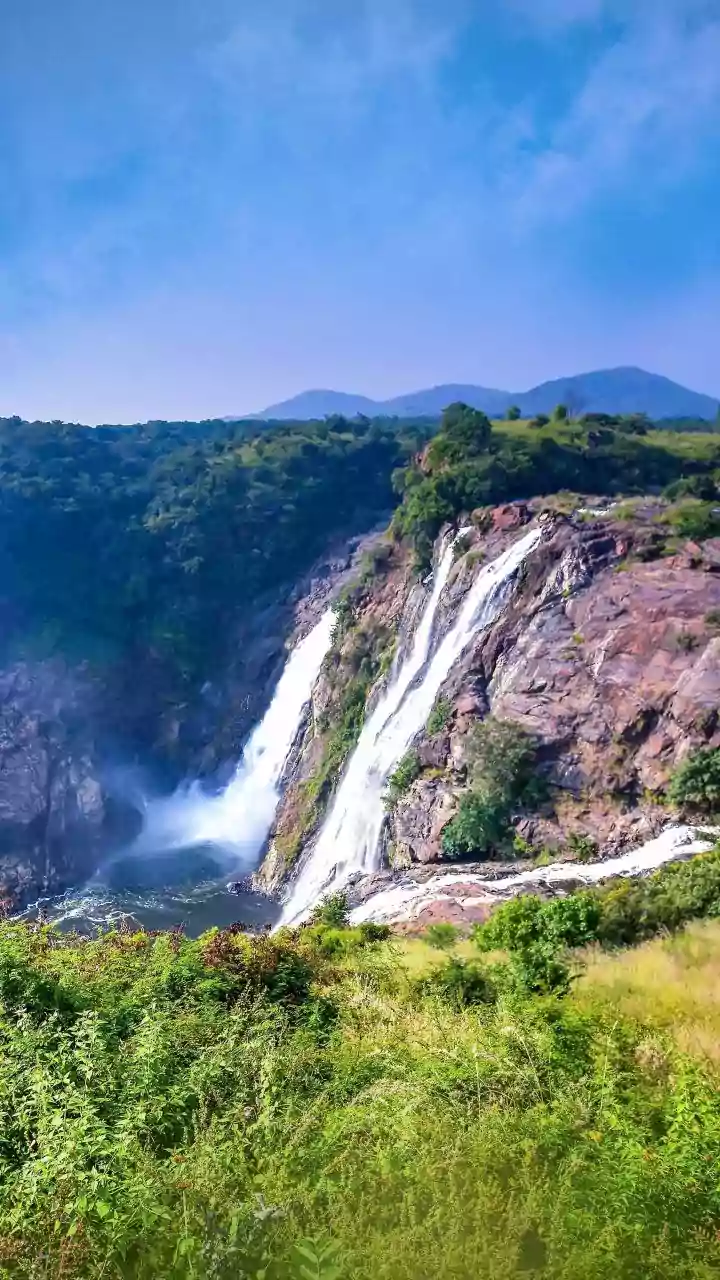
If you're planning a monsoon trip to Goa, it's crucial to adjust your expectations. The romantic image of incessant rain, misty mornings, and thundering waterfalls may not fully materialize this year. While the landscape is still green, some of the smaller seasonal waterfalls might be less impressive or even dry. On the plus side, a weaker monsoon means more sunny days and longer windows for outdoor activities that are usually washed out in a typical July. However, this doesn't mean a return to peak-season conditions. Swimming in the sea remains dangerous due to strong undercurrents, and most watersports are suspended for safety. Nightlife will be more focused on indoor clubs and pubs rather than beach shacks, many of which remain closed. It's a good time for resort-based holidays, exploring heritage sites in Old Goa, and enjoying the cafe culture, but not for a classic beach-and-swim vacation.
For Tourism Businesses: A Double-Edged Sword
The tourism industry is facing a mixed bag of challenges and opportunities. On one hand, the very concept of 'monsoon tourism', which attracts visitors seeking lush landscapes and roaring waterfalls, is under threat. Hotels and tour operators who have built packages around this specific experience may see lower demand. The concern over water scarcity also affects the hospitality sector, which relies on a consistent water supply to cater to guests. On the other hand, the increased number of sunny days could paradoxically appeal to a different kind of off-season traveller looking for quieter holidays and lower prices without constant downpours. However, the overall sentiment is one of caution. The industry, which was already being encouraged to promote monsoon travel to compete with other destinations, must now navigate the uncertainty of a weather pattern that is delivering neither the classic monsoon experience nor the clear skies of the dry season.