
The Science of the Slice
The way a vegetable is cut has a dramatic impact on its final taste and texture. The core principle is surface area. A larger surface area means more contact with heat and seasoning, leading to faster cooking and more caramelisation. A smaller surface area,
found on larger chunks, helps the vegetable retain moisture and a firm texture during longer cooking times. Uniformity is also crucial. When all pieces are the same size, they cook at the same rate, ensuring you don't have a mix of burnt bits and raw, crunchy pieces in the same dish. This simple act of strategic chopping can elevate your home cooking from good to great.
Roasting and Grilling: Go Big
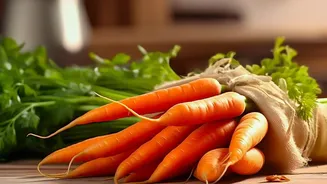
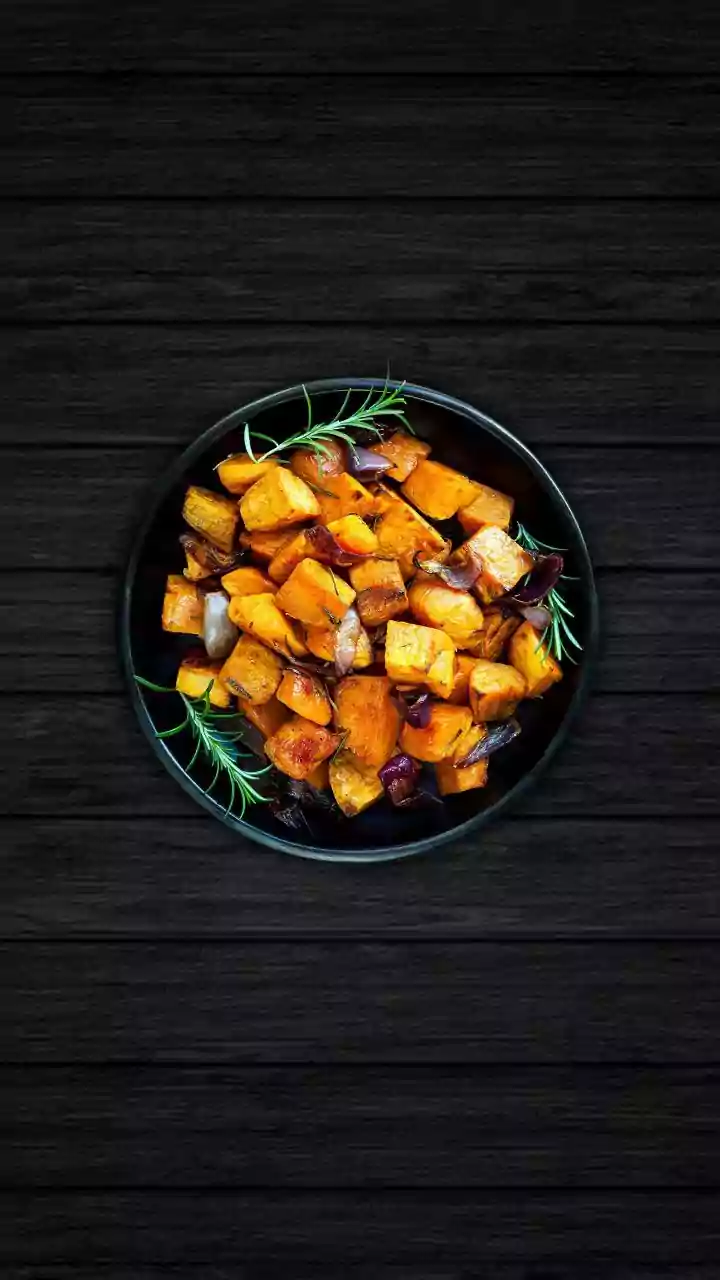
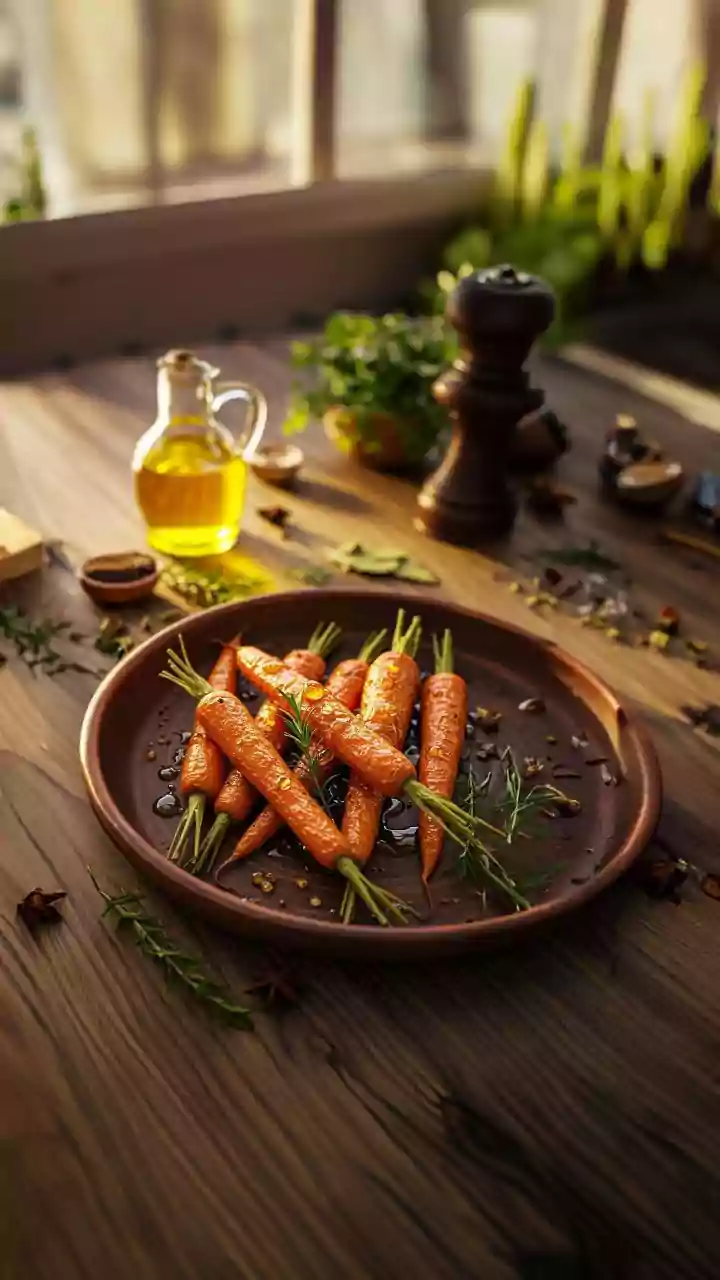
For high-heat methods like roasting and grilling, bigger is better. Large, chunky cuts are your best friends here. Think of cutting potatoes into large cubes or wedges, carrots into thick batons, and cauliflower into generous florets. These substantial pieces can withstand prolonged exposure to high temperatures without breaking down. The goal is to develop a deeply browned, flavourful exterior while the inside becomes tender and sweet. Smaller cuts would simply burn before the interior has a chance to cook properly. For vegetables like zucchini or bell peppers, slicing them into long, thick planks increases their surface area for a beautiful char without them turning to mush.
Sautéing and Stir-Frying: Keep It Quick and Uniform
Sautéing and stir-frying are all about speed. These methods use high heat for a short period, so your cuts need to reflect that. Uniformly small pieces are essential for success. The julienne (thin matchsticks), bias cut (diagonal slices), and small dice are perfect here. These cuts ensure that vegetables like carrots, bell peppers, and green beans cook quickly and evenly in the pan. For aromatics like garlic and ginger that you want to release their flavour throughout the dish, a fine mince is ideal. In Indian cooking, a quick stir-fry or 'bhaji' using finely chopped okra or cubed potatoes with fenugreek leaves (methi aloo) relies on these principles for a perfectly cooked side dish.
Soups, Stews and Curries: A Mixed Approach
For dishes that simmer, like soups, stews, and classic Indian curries such as sambar or aloo gobi, the cut depends on the vegetable's role. Hardy root vegetables like potatoes and carrots that require a longer cooking time should be cut into medium-sized cubes (a medium dice). This allows them to become tender without disintegrating. For a mirepoix or flavour base of onion, carrots, and celery, a small, uniform dice (brunoise) helps the vegetables melt into the sauce, building a deep flavour foundation. More delicate vegetables added later, like peas or chopped spinach, require minimal cooking and can be added closer to the end.
Salads and Raw Preparations: Texture is Everything
When vegetables are served raw, the cut is almost entirely about texture and ease of eating. Tougher vegetables like cabbage or carrots benefit from being shredded or grated, making them more pleasant to chew. Leafy greens and herbs like basil or spinach are often cut using a chiffonade technique, where they are rolled and sliced into thin ribbons. A fine julienne of bell peppers or cucumber can add a delightful crunch and visual appeal to any salad. The key is to create pieces that are easy to manage on a fork and contribute a pleasant texture to the final dish.