



Look for the FSSAI Logo and Licence Number
The first and most crucial check is for the Food Safety and Standards Authority of India (FSSAI) logo and licence number. This is a mandatory requirement for all pre-packaged food products sold in the country. Its presence assures you that the product has
been manufactured and packed in hygienic conditions and adheres to the safety standards set by the authority. If a package does not have a clear FSSAI logo and number, it's best to avoid it.
Choose Unpolished Over Polished
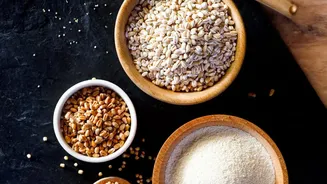
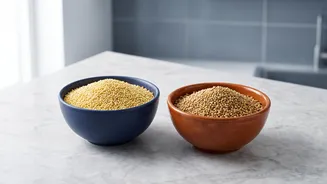
This is perhaps the most important factor for nutritional value. Polished millets have their outer bran layer removed to make them look shinier and cook faster. However, this process strips away the most nutritious parts of the grain, including fibre, vitamins, and essential minerals. Unpolished millets retain this bran layer, which is rich in nutrients that aid digestion, help manage blood sugar, and keep you fuller for longer. Look for terms like 'unpolished', 'whole grain', or 'with bran' on the packaging. A quick visual check can also help; unpolished millets have a more natural, sometimes darker colour and a less uniform appearance compared to their polished counterparts.
Read the Ingredient List Carefully
For any packaged food, the ingredient list is revealing. Ingredients are listed in descending order by weight. For a single-grain millet pack like ragi or bajra, the ingredient list should ideally just name the millet itself. In millet-based products like flour mixes, cookies, or breakfast cereals, check for the percentage of millet used. Sometimes, a product highlighted as a 'millet' product might contain more refined wheat flour (maida) or rice flour than actual millet. Also, be wary of long lists of additives, preservatives, and artificial flavours.
Scan the Nutritional Information Panel
The nutritional facts panel tells you about the energy (calories), protein, carbohydrates, fat, and fibre content per 100g or per serving. When buying millets, pay special attention to the dietary fibre content. Unpolished millets are naturally high in fibre. For instance, unpolished barnyard millet has significantly more fibre and protein than its polished version. If a product makes a health claim like 'rich in protein', the nutritional panel must be present to support it. This panel helps you compare different brands and make a healthier choice.
Check the 'Best Before' and Manufacturing Dates
This is a basic but essential check for any packaged food. Always choose a package with the most recent date of manufacture. While millets have a decent shelf life, their natural oils can turn rancid over time, affecting taste and quality. Polished millets tend to have a longer shelf life because the oil-rich bran is removed, but this comes at a nutritional cost. Checking the 'best before' or 'use by' date ensures you are buying a fresh product that will last until you consume it.
Examine the Packaging Integrity
Before placing a product in your cart, give the package a quick inspection. Ensure it is properly sealed, with no tears, holes, or signs of moisture. Poor packaging can expose the grains to moisture, pests, and contamination, leading to spoilage and the growth of harmful moulds. A puffy or bloated package can also be a sign of gas buildup from spoilage. Opt for products that are in sturdy, airtight, and food-grade packaging.
Identify the Type of Millet
Familiarise yourself with the common types of millets available in India. The main varieties include Pearl Millet (Bajra), Finger Millet (Ragi), Sorghum (Jowar), Foxtail Millet (Kangni/Thinai), Kodo Millet (Varagu), Little Millet (Samai), and Barnyard Millet (Sanwa). Each has a unique nutritional profile, taste, and use. For example, Ragi is known for its high calcium content, while Jowar is a popular gluten-free option for rotis. Knowing what you're buying helps you cook it correctly and for the right purpose.