


The Protein Puzzle: What is 'Complete' Protein?
Protein is a crucial macronutrient, essential for building and repairing tissues, making enzymes and hormones, and supporting muscle growth. Proteins themselves are made of smaller units called amino acids. There are 20 different amino acids, and nine
of them are considered 'essential' because our bodies cannot produce them. We must get these nine essential amino acids from our food. A food source that contains all nine in sufficient amounts is called a 'complete protein'. Animal products like meat, eggs, and dairy are generally complete proteins. Most plant foods, however, are considered 'incomplete' because they are low in one or more of these essential amino acids.
The Power Couple: Grains and Legumes
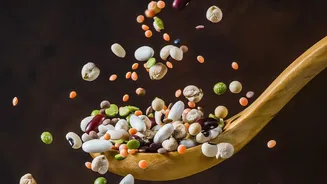
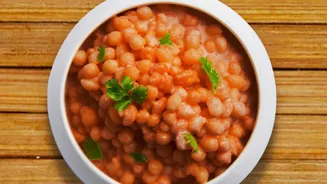
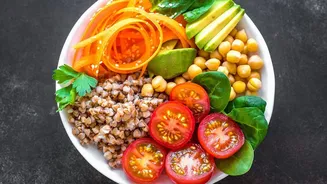
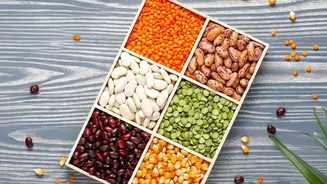
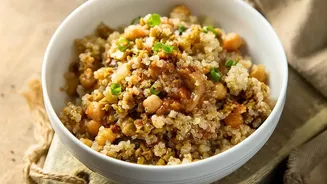
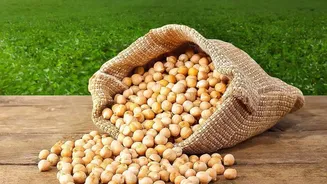
This is where the magic of pairing comes in. Plant-based staples have complementary strengths. Whole grains like wheat and rice are typically low in an essential amino acid called lysine. On the other hand, legumes—a food group that includes dals (lentils), beans, and chickpeas—are rich in lysine but low in another essential amino acid, methionine. When you eat them together, they fill in each other's nutritional gaps. The lysine from the legumes compensates for the lack of it in grains, and the methionine from grains does the same for the legumes. The result is a meal that provides your body with all nine essential amino acids, creating a complete protein profile from two simple plant-based foods.
An Old Myth Debunked: Do You Need to Pair at Every Meal?
For years, the popular belief was that you had to eat these complementary proteins in the very same meal to get the benefit. However, modern nutritional science has shown this isn't strictly necessary. Your body cleverly maintains a 'pool' of amino acids it can draw from throughout the day. This means as long as you eat a varied diet that includes different plant protein sources over the course of a day, your body can combine them as needed. So, you don't need to stress about perfect pairing at every single meal. That said, many traditional food cultures, especially in India, have been intuitively combining them for centuries, making it a delicious and effortless habit.
Complete Protein on Your Indian Thali
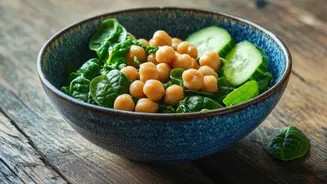
The principle of pairing grains and legumes is the foundation of countless classic Indian meals. These combinations aren't just for comfort and taste; they are nutritionally strategic. Think of dal with rice or roti—perhaps the most common meal across the country. The lentils in the dal and the whole grains in the rice or flatbread form a perfect protein partnership. Other classic examples include North India's beloved Rajma Chawal (kidney beans with rice) and the South Indian staples of Idli and Dosa, which are made from a fermented batter of rice and urad dal. Even a simple snack like hummus (made from chickpeas) with pita bread follows this exact principle. These time-honoured meals are proof that a robust, protein-rich vegetarian diet is not only possible but has been a part of Indian culinary wisdom for generations.
Fueling Your Muscles with Plant Power
This brings us to the final piece of the puzzle: muscle health. Adequate protein intake is non-negotiable for muscle repair and growth, especially for those with an active lifestyle. When you exercise, you create tiny micro-tears in your muscle fibres, and protein provides the amino acids needed to heal and rebuild them stronger. Recent research confirms that plant-based protein can be just as effective as animal protein for building muscle, provided you consume enough of it from varied sources. By incorporating complete protein combinations like dal-roti or beans-rice into your diet, you are giving your body the essential building blocks it needs to maintain and grow muscle mass, all while enjoying a wholesome, plant-powered meal.