
The Unmistakable Evening Star
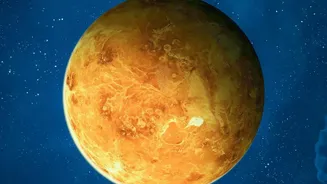
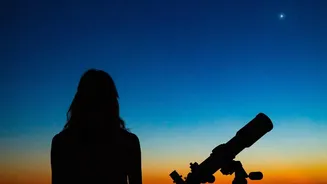
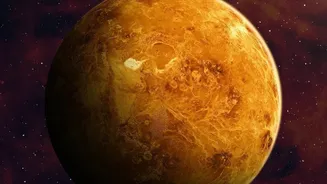
Venus is often called the 'Morning Star' or 'Evening Star' because it’s one of the first and last celestial objects to be seen around sunrise or sunset. Throughout August 2026, Venus will be a dazzling 'Evening Star', shining brightly in the western sky.
It’s impossible to miss; after the Moon, it will be the most brilliant object in the night sky, easily outshining all the actual stars. This is a perfect opportunity for budding stargazers, as you don’t need any special equipment to see its magnificent light. Its journey across the evening sky has been building all summer, and August is a prime month for viewing before it begins to dip back toward the sun's glare in late September and October.
When and Where to Look in August 2026
The best time to look for Venus is in the western sky during the hour or so just after sunset. Its visibility will be excellent throughout the month. A particularly special time will be around mid-August. On August 15, 2026, Venus reaches its 'greatest elongation', meaning it will be at its farthest angular distance from the sun from our perspective, making it particularly easy to spot in the darkening sky. On this evening and the one prior, the young crescent Moon will be visible near Venus, creating a stunning celestial pairing. Later in the month, around August 20 and 24, you can watch Venus appear to close in on the bright star Spica, the brightest star in the constellation Virgo, with their closest approach happening in early September.
Tips for the Best Viewing Experience
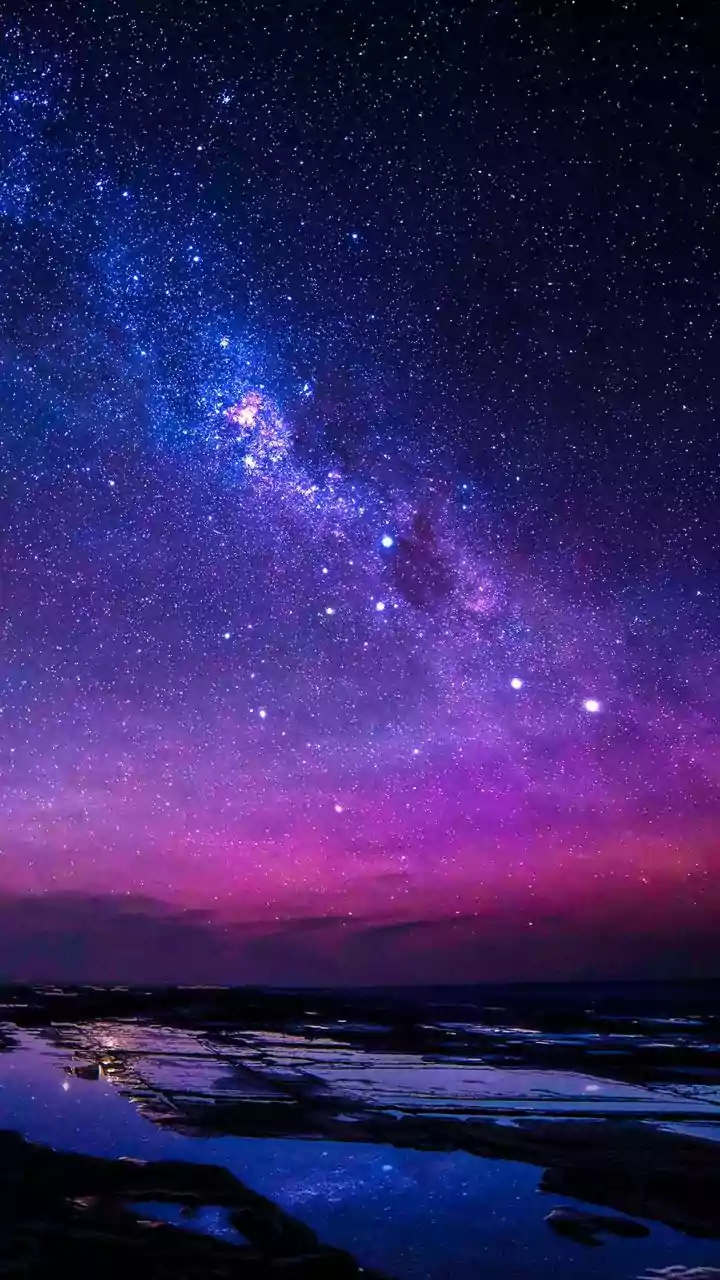
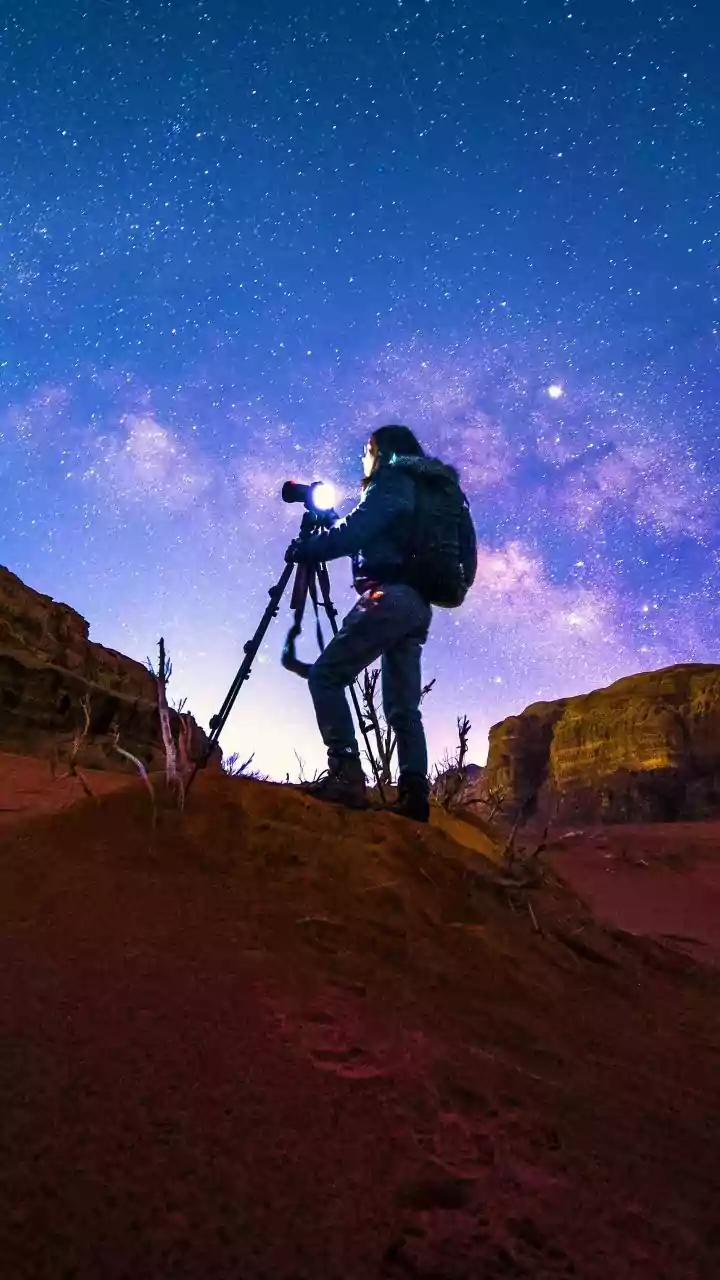
While Venus is bright enough to pierce through moderate city light pollution, your viewing experience will be much richer from a darker location. If you can, find a spot away from direct streetlights with a clear view of the western horizon. Patience is key. Give your eyes about 20-30 minutes to fully adapt to the darkness; this will allow you to see not just Venus in its full glory, but also the surrounding stars. Try to avoid looking at your bright phone screen, as it can ruin your night vision. If you're using a stargazing app, switch it to 'night mode', which uses red light to preserve your dark adaptation.
Tools to Enhance Your Stargazing
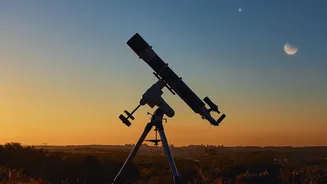
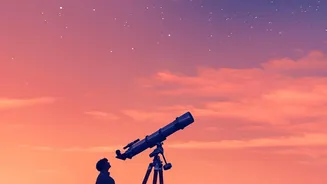
You don't need a telescope to enjoy Venus, but a simple pair of binoculars can enhance the view dramatically. Through binoculars, you might notice that Venus has a phase, much like our Moon. In August 2026, it will appear as a tiny, half-lit disc that will transition into a crescent by the end of the apparition. For help identifying constellations like Virgo or stars like Spica near Venus, you can use a stargazing app. Popular choices in India include SkyView Lite, Star Walk 2, and Stellarium, which use your phone’s GPS to show you exactly what you’re looking at when you point it at the sky.
Navigating the Monsoon Skies
Stargazing in India during August means contending with the monsoon season. Cloudy skies can be a stargazer’s biggest challenge. The key is to be flexible and opportunistic. Keep an eye on the local weather forecast for breaks in the clouds. Even a brief, 30-minute window of clear sky after sunset is enough to catch a beautiful glimpse of Venus. These fleeting moments can make the sight even more rewarding. Don’t be discouraged by a few nights of rain; the planet isn’t going anywhere, and it will be waiting for you when the skies clear.