






What is Astrotourism?
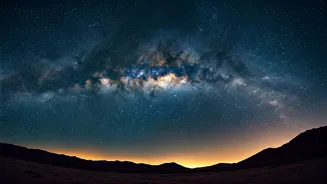
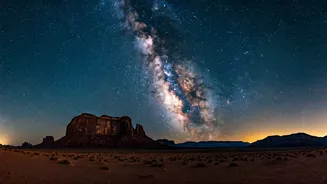
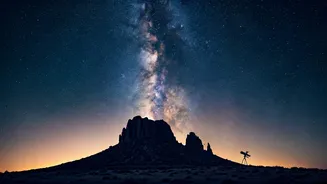
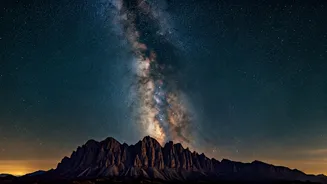
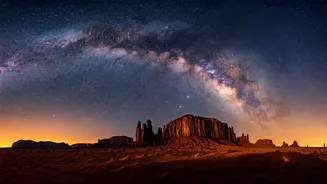
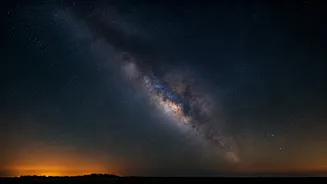
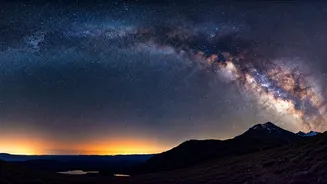
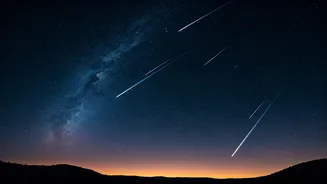
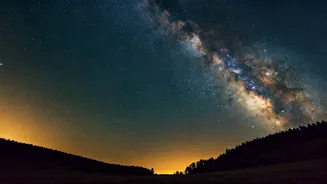
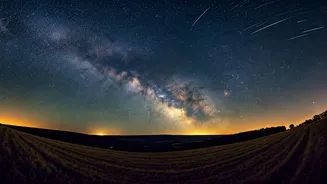
Astrotourism simply means travelling to destinations with minimal light pollution to experience the night sky in its full glory. For many city dwellers, the sight of a sky blanketed with stars, with the Milky Way arching overhead, is a rare and profound
experience. This form of travel moves away from hectic itineraries, focusing instead on slow, mindful observation. Activities range from visiting observatories and attending stargazing workshops to simply lying back and watching a meteor shower in a place untouched by urban glare. It is a return to a more elemental form of wonder, trading screen light for starlight.
The Search for a Digital Detox
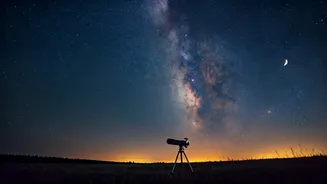
A significant driver behind this trend is chronic screen fatigue. Younger generations, who have grown up in a hyper-connected world, are actively seeking experiences that feel grounding and genuinely offline. A digital detox—a conscious break from electronic devices—has been shown to reduce stress, improve sleep, and increase focus. Astrotourism offers the perfect antidote to digital burnout. The act of stargazing is inherently meditative; it encourages stillness and provides a sense of perspective that is often lost in the noise of daily life. This search for mental wellness and a break from constant notifications is leading many young Indians to trade their phones for a telescope.
From Social Media to Starry Skies
Ironically, the journey to this offline experience often begins online. Social media platforms, particularly through viral “SpaceTok” videos, have created a powerful aesthetic around dark skies. A 2024 survey noted that one-quarter of Gen Z travellers are interested in planning trips specifically for astrotourism. The spectacular imagery of the Milky Way or the dancing aurora has made stargazing aspirational, inspiring people to seek out these experiences in person. This trend is part of a broader movement among young travellers toward more authentic, sustainable, and experience-driven trips that offer more than just a checklist of sights.
India’s Emerging Celestial Hotspots
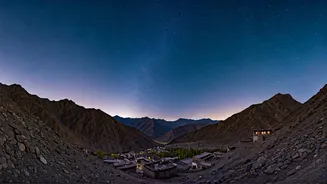
India is rapidly becoming a prime destination for astrotourism, thanks to its diverse geography and vast, remote landscapes. The village of Hanle in Ladakh, designated as India's first Dark Sky Reserve, is considered the gold standard. Situated at a high altitude with clear, dry skies, it has seen a massive surge in visitors. Other destinations are also gaining popularity. The high-altitude deserts of Spiti Valley offer spectacular visibility, while the Rann of Kutch provides a surreal canvas for the stars during winter months. For those seeking more accessible options, places like Coorg, Mount Abu, and the Pench Tiger Reserve are developing astro-tourism experiences, complete with guided telescope sessions and workshops.
Planning Your First Stargazing Trip
Getting started with astrotourism is easier than it seems. The first step is to find a location away from city lights. The best time for stargazing is during a New Moon, as the absence of moonlight makes the stars appear brighter. Check the weather forecast for clear skies before you go. While you don't need expensive equipment, a pair of binoculars can enhance the view, and apps can help you identify constellations. Many locations now offer guided tours and homestay packages, like the 'Astrostays' in Ladakh, which support local communities. Remember that visiting these pristine environments comes with a responsibility to protect them by minimizing light and noise.