



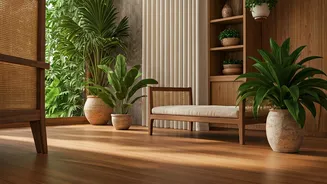


A Break from Traditional Abundance
Think of the classic Indian family home, and you might picture walls adorned with intricate art, shelves crowded with brass figurines and family photographs, and heavy, dark wood furniture passed down through generations. This style, often described as maximalist,
was a symbol of prosperity, heritage, and a life well-lived. Each object told a story, and more was, quite literally, more. The home was a living museum of the family’s journey, a space designed to accommodate a joint family system where multiple generations lived under one roof. In this context, abundance wasn’t clutter; it was a physical manifestation of family history, social status, and cultural richness. Empty space was often seen as a void to be filled, not an element of design to be cherished.
The Urban Squeeze and the Global Gaze
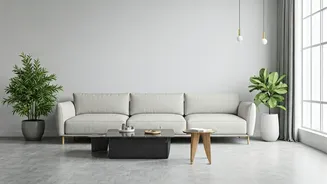
The primary catalyst for this design revolution is practical: urbanization. As millions of young Indians migrate to booming metropolises like Mumbai, Bangalore, and Delhi for education and careers, they are moving into significantly smaller apartments. The sprawling multi-generational home is being replaced by a 900-square-foot two-bedroom flat. In these compact spaces, the ornate, bulky furniture of their parents’ generation is simply not feasible. Lighter, multifunctional, and space-saving pieces are a necessity, not a choice. Simultaneously, the internet has opened a firehose of global influence. Platforms like Instagram and Pinterest have exposed India’s millennials and Gen Z to Scandinavian hygge, Japanese Wabi-Sabi, and Western minimalist aesthetics. For the first time, they have a visual library of alternatives to the traditional decor they grew up with, and they are adapting these global trends to fit their new, urban lives.
Redefining ‘Indian’ Minimalism
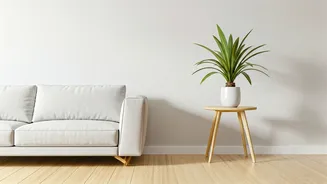
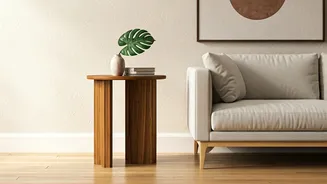
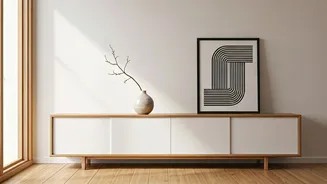
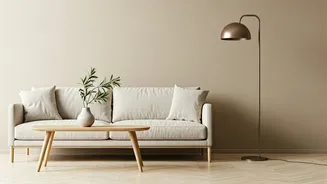
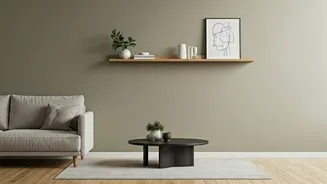
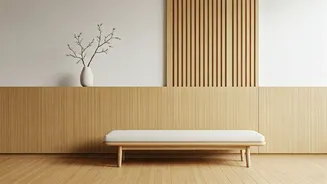
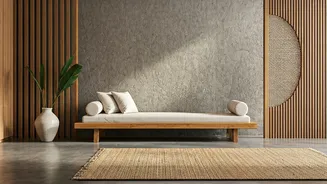
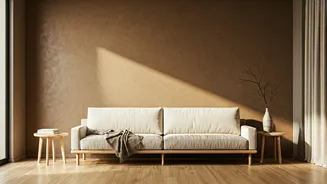
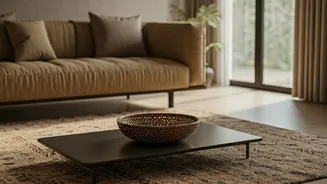
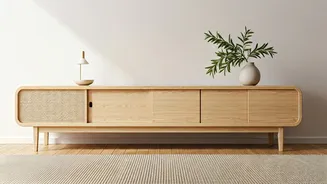
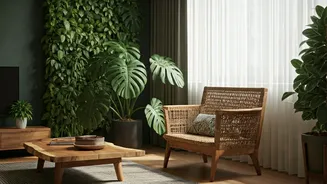
It’s a mistake, however, to think of this as a simple copy-paste of Western minimalism. This isn't about sterile, all-white boxes. Instead, a uniquely Indian form of minimalism is emerging. Designers call it using a “warm” or “earthy” palette. It’s characterized by clean lines and uncluttered surfaces, but with a distinct nod to Indian heritage. Think a neutral-toned living room punctuated by a single, vibrant piece of Kalamkari art, or a sleek, modern sofa paired with cushions made from traditional block-printed fabric. Natural, local materials like teak, sheesham wood, cane, and terracotta are celebrated. The focus is on quality over quantity, craftsmanship over ornamentation. It’s a curated approach that declutters the space but not its identity, retaining a few meaningful heirlooms rather than a roomful of them. This style feels both global and deeply personal, modern yet rooted.
A New Generational Mindset
Ultimately, the shift to minimalism reflects a profound change in values. For a generation burdened by a hustle culture and information overload, the home has become a sanctuary. A calm, decluttered space is seen as essential for mental clarity and well-being. This generation is also more mobile and less attached to physical possessions. They tend to prioritize spending on experiences—like travel, dining, and learning new skills—over accumulating objects. A minimalist home aligns perfectly with this philosophy. It's easier to maintain for dual-income couples with little free time, and it represents a conscious rejection of the consumerist pressures that defined previous eras. It’s a declaration that success is no longer measured by the sheer volume of one’s possessions, but by the quality of one’s life.