



The End of the Off-Season
For decades, travel to the mountains followed a predictable rhythm: a massive rush during the summer holidays and a smaller peak around New Year's. The months in between were the quiet 'off-season.' That calendar is now a relic. The rise of remote and hybrid
work culture has untethered professionals from their city desks, turning any long weekend into a potential getaway. Instead of two major peaks, hill stations like Shimla, Manali, and Mussoorie now face a constant, rolling wave of visitors. This shift means towns built for seasonal crowds are now under year-round pressure, with infrastructure struggling to cope with a relentless stream of vehicles. The concept of a quiet, low-traffic period to recover and repair is vanishing fast.
The Paradox of Perfect Roads
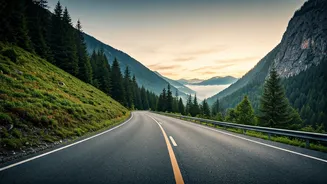
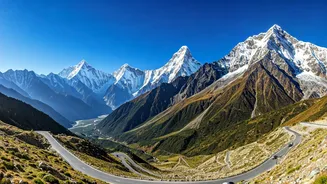
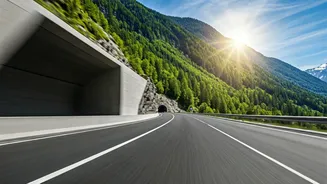
Ironically, the very thing meant to make life easier is compounding the problem. New expressways and tunnels have dramatically cut travel time from major cities like Delhi to the Himalayan foothills. A journey that once took a full day can now be a spontaneous overnight drive. While these engineering marvels are celebrated for improving connectivity, they act as a high-speed funnel, pouring an unprecedented volume of cars into towns with road networks designed in a different century. Once tourists arrive, they find narrow, winding lanes and extremely limited parking, creating immediate gridlock. The smooth highway journey quickly descends into a frustrating crawl, proving that getting there faster means little if there's nowhere to go once you arrive.
The Anatomy of a Hillside Gridlock
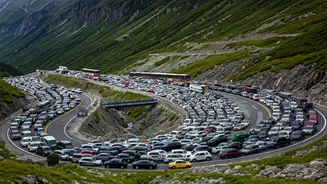
The traffic jams in hill stations are not random; they follow a predictable pattern of failure. Key entry points become the first chokepoints. Inside the towns, popular spots like Mall Road or the main market become epicentres of chaos. Parking is the next crisis point; with official lots filling up early in the day, cars are often left on the sides of already narrow roads, further constricting traffic flow. In places like Manali and Shimla, daily vehicle entries can run into the thousands, far exceeding the town's carrying capacity. This 'overtourism' strains not just the roads but all local resources, including water supply and waste management, turning a dream vacation into a civic nightmare for tourists and residents alike.
Searching for a New Formula
Recognizing that the old model is broken, authorities are beginning to experiment with new traffic management 'maths'. Some towns have introduced rules barring tourist entry once parking facilities are full. Others are experimenting with one-way traffic systems, diversions, and deploying extra personnel during peak hours. More ambitious, long-term solutions are also on the table. These include congestion pricing to discourage private vehicles, developing large satellite parking areas outside town limits with mandatory public transport links, and promoting non-motorised transport like ropeways and escalators for internal movement. A crucial part of the new equation involves actively promoting lesser-known destinations to distribute the tourist load more evenly across a region.