
A Nationwide Health Awakening
The primary force behind this change is a collective shift towards healthier living. Indian consumers are more health-conscious than ever, driven by rising awareness of lifestyle-related diseases and a desire for cleaner eating. People are actively reading
labels and moving away from snacks high in refined flour, sugar, and palm oil. This wellness movement, amplified since the pandemic, has created a massive demand for snacks that offer functional benefits like high protein and fibre, without compromising on taste. As a result, the healthy snacks market in India is booming, growing at a rate that outpaces the global average.
The Superstar Rise of Makhana
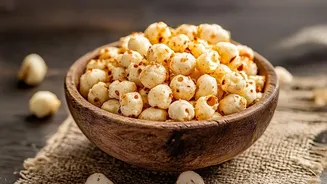
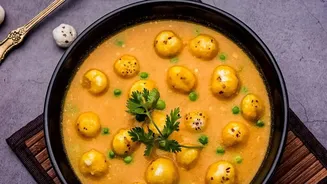
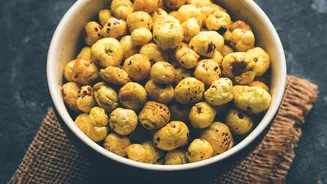
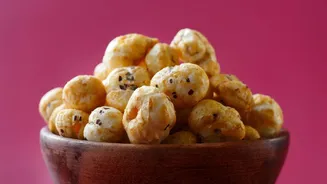
At the forefront of this trend is makhana, or fox nuts. Once primarily a food for religious fasting, makhana has transformed into an everyday superfood. These puffed lotus seeds are low in calories, gluten-free, and packed with protein and minerals like magnesium. Their light, crunchy texture makes them a direct and satisfying replacement for fried potato chips and namkeen. What was once a regional crop, mainly from Bihar, is now a nationwide sensation thanks to innovative flavouring—from peri-peri to classic salt and pepper—and wide availability on e-commerce and quick-commerce platforms. Its popularity is so significant that it has secured a 19% share of the health snack market.
The Great Indian Millet Revival
It’s not just makhana. Ancient grains that have been staples in Indian kitchens for centuries are making a major comeback in modern, snackable forms. Millets like ragi, jowar, and bajra are being celebrated for their nutritional benefits, including being rich in fibre and antioxidants. Brands are creatively incorporating them into everything from baked crackers and puffs to cookies and chips, offering a nutritious alternative to products made from refined wheat flour (maida). This revival is supported by government initiatives and a growing consumer appreciation for local, sustainable ingredients.
Roasted, Baked, and Never Fried
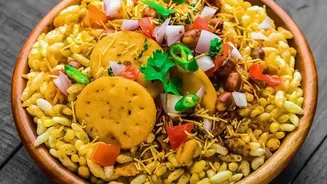
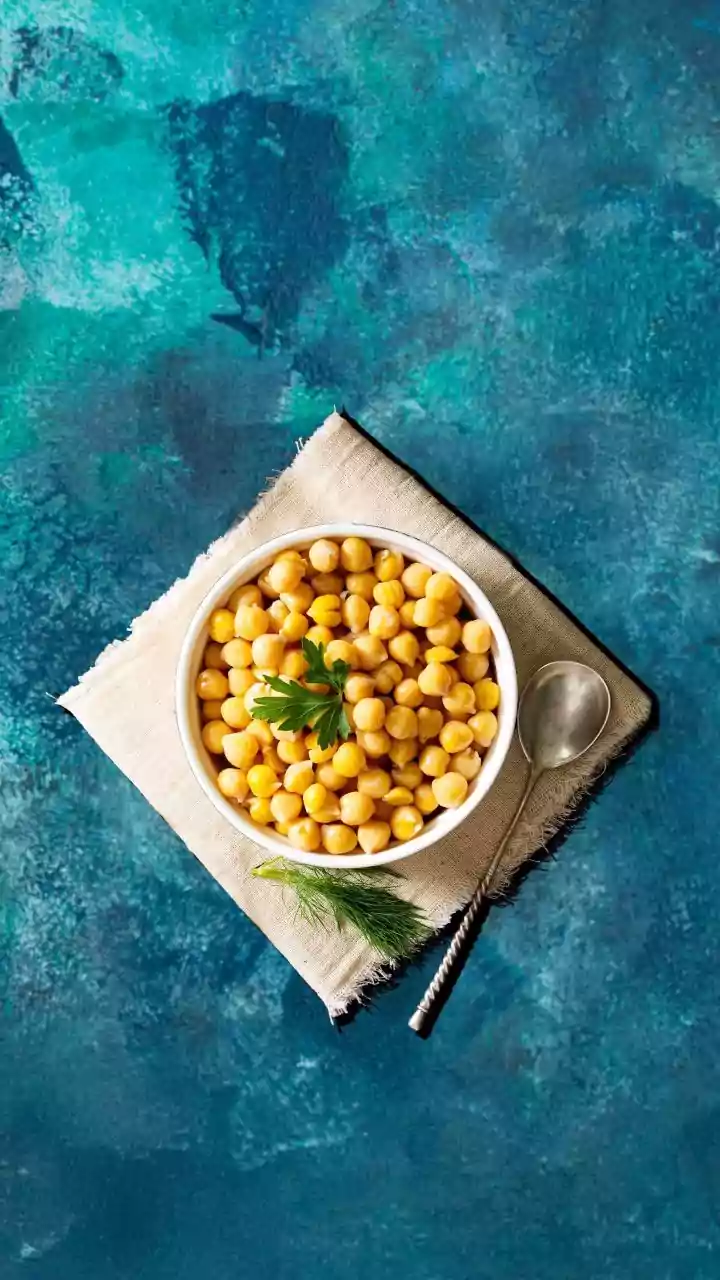
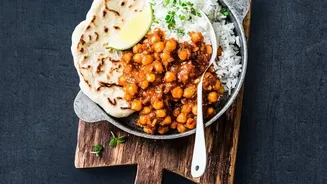
Another significant shift is the move from fried to roasted or baked snacks. Classic snacks like roasted chana (chickpeas) and peanuts are being embraced for their high protein and fibre content, which helps keep you full for longer. Even traditional savoury mixes like poha chivda are being prepared with minimal oil, offering a lighter yet still flavourful option. This reflects a broader consumer understanding that the cooking method is just as important as the ingredients. Consumers are looking for that satisfying crunch without the guilt and unhealthy fats associated with deep-frying.
New-Age Brands and Quick Commerce
This snacking revolution has been largely powered by a wave of new-age, direct-to-consumer (D2C) brands. These companies have disrupted the market with innovative products, transparent labelling, and savvy digital marketing. They have made healthy snacks appealing and accessible, often transforming traditional ingredients into premium, on-the-go products. The rapid growth of quick-commerce platforms has further accelerated this trend, allowing consumers to get their healthy snack fix delivered in minutes, making trial and adoption easier than ever.
What About the Humble Biscuit?
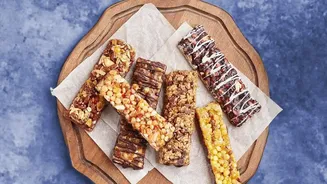
While makhana and millet snacks are on the rise, the biscuit isn't disappearing. Instead, it's evolving. Major brands have taken note of the health trend and are focusing on healthier formulations. The market has seen a surge in 'digestive', 'multigrain', 'oat-based', and 'sugar-free' biscuits. However, consumers are becoming more discerning, often checking ingredients for hidden sugars and refined flours even in these 'healthier' options. The indulgent, sugary cream biscuit still has its place, but for daily, habitual snacking, many are now looking elsewhere.