







The 'Speak First' Workflow
The core of this efficiency hack is simple: it is almost always faster to speak than to type. The average person speaks around 150 words per minute, nearly four times the average typing speed. Creators are harnessing this by adopting a 'speak first, write
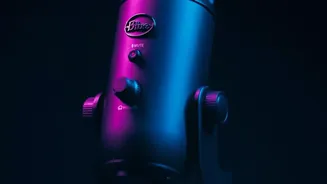
second' workflow. This process begins with a 'brain dump', where a creator records themselves talking through an idea for a video, podcast, or article. Instead of trying to write a perfect script from scratch, they capture their raw, unfiltered thoughts in a voice memo. This approach bypasses the initial friction of writing and allows ideas to flow more naturally, just as they would in a conversation.
From Raw Audio to Clean Text
Once the ideas are captured in an audio file, automatic speech-to-text (STT) tools take over. Using advanced AI, these services convert the spoken words into a written transcript in minutes. This is the pivotal step that transforms a scattered voice note into a tangible, editable document. Modern transcription tools do more than just convert audio to text; many can automatically add punctuation, create paragraph breaks, and even identify different speakers in a conversation. Some advanced platforms also feature filler word removal, which automatically strips out the 'ums' and 'ahs' that pepper natural speech, delivering a much cleaner starting draft.
Finding the Structure in the Transcript
With a full transcript in hand, the creator's job shifts from writing to editing. Instead of facing a blank page, they now have a document full of their own ideas. The task becomes one of curation and structure. Creators can scan the text to identify the strongest points, pull out memorable phrases, and spot the natural beginning, middle, and end of their argument. The transcript serves as a blueprint, allowing them to easily copy and paste sections to build a logical outline. This method helps in constructing a more concise and impactful final product, as the core message has already been articulated.
Repurposing Content at Scale
This workflow isn't just about creating a single piece of content faster; it's also a powerful engine for repurposing. A single 20-minute audio recording can contain enough material for multiple assets. The full transcript can be refined into a long-form blog post or video script. Key points can be extracted to create a series of social media posts, a weekly newsletter, or short video clips. Because the core ideas are already transcribed, the process of adapting them for different platforms becomes significantly faster. This allows a solo creator or a small team to maintain a consistent presence across various channels without having to generate new ideas from scratch for each one.
Choosing the Right Tools
A wide range of speech-to-text tools are available, each suited for different needs. Some are integrated directly into mobile operating systems, offering a quick way to capture ideas on the go. Other dedicated transcription services offer higher accuracy and advanced features like word-level timestamps, which are invaluable for editing video and audio content. When choosing a tool, creators often look for a combination of accuracy, speed, and useful features like speaker labeling or the ability to export the text in various formats. While no automated transcription is 100% perfect, the time saved in getting to a 'good enough' draft is often a revolutionary change for a busy creator's workflow.