


The Wisdom of Winter Eating
There was a time when the Indian kitchen calendar was its own health system. Before year-round availability of all produce became a supermarket reality, eating seasonally wasn't a choice but a necessity, refined over generations. Winter menus, in particular,
were built on a foundation of deep-seated logic, often rooted in Ayurvedic principles. The goal was to nourish the body, build immunity, and generate internal warmth to combat the cold. Foods were categorised by their inherent properties—'heating' or 'cooling'. Winter called for ingredients like bajra (pearl millet), sesame seeds, jaggery, ghee, and an abundance of root vegetables, which were believed to provide sustained energy and support a slowing metabolism. This approach wasn't just about surviving the cold; it was about thriving in it.
Hearty Feasts from the North
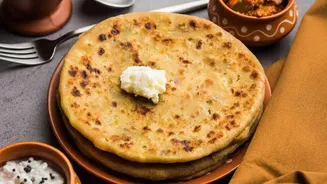
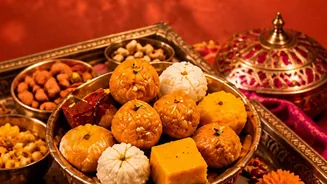
Nowhere is winter's culinary signature more pronounced than in the North. In Punjab, the landscape turns vibrant with fields of mustard greens, heralding the arrival of 'Sarson da Saag' season. This slow-cooked medley of mustard leaves, often combined with spinach or bathua, is a labour of love. Simmered for hours and tempered with garlic and ginger, its creamy texture is perfectly complemented by 'Makki di Roti', a flatbread made from maize flour, and a generous dollop of white butter. This iconic pairing is more than a meal; it's a celebration of the harvest. Further west, in Rajasthan, winter brings 'Gond ke Laddoo'. Made from edible gum (gond), whole wheat flour, ghee, and nuts, these energy-dense spheres are a traditional remedy to boost strength and keep the body warm. Home cooks prepare them not just as a sweet treat, but as a nourishing supplement to support bone health and provide lasting energy through the colder days.
A Medley of Vegetables from the West
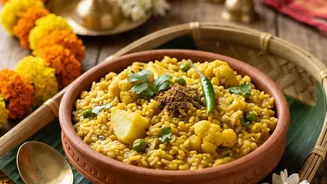
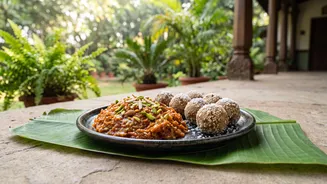
In Gujarat, winter is synonymous with 'Undhiyu'. The name, derived from the Gujarati word 'undhu' (upside down), refers to the traditional method of cooking the dish underground in earthen pots. This celebrated delicacy is a complex, slow-cooked casserole of the season's best produce. It brings together winter vegetables like surti papdi (flat beans), purple yam, sweet potatoes, and baby eggplants. These are often stuffed with a masala of coconut, peanuts, and spices, and cooked with spiced fenugreek dumplings called 'muthia'. Traditionally prepared around the festival of Uttarayan (Makar Sankranti), Undhiyu is a community dish, a one-pot wonder that embodies the spirit of winter's bounty and the art of slow cooking passed down through family kitchens.
Liquid Gold from the East
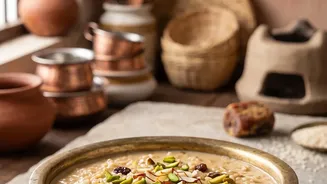
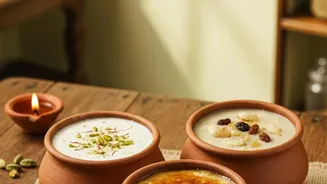
As winter arrives in Bengal, a special kind of sweetness perfumes the air: 'Nolen Gur' or fresh date palm jaggery. This seasonal liquid gold, with its smoky aroma and caramel-like flavour, is available for only a few short months, making it a prized ingredient. Bengali home cooks eagerly await its arrival to prepare a host of winter-special sweets. The undisputed star is 'Nolen Gurer Payesh', a rice pudding made with fragrant Gobindobhog rice, creamy milk, and the coveted jaggery. Unlike versions made with sugar, this payesh has a deeper, more complex flavour and a beautiful beige hue. It's a dish steeped in nostalgia and tradition, often prepared to celebrate Poush Parbon, the Bengali harvest festival.
The Modern Keepers of Tradition
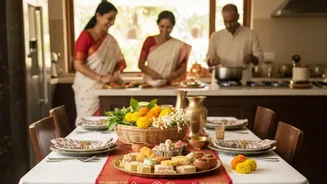
In an era of global food trends and instant meals, the role of the home cook as a preserver of these centuries-old traditions has never been more vital. These seasonal menus are living history, passed down from grandmothers to mothers to children. They are recipes seasoned with stories, techniques perfected without written measurements, and an intuitive understanding of ingredients. While a 'gond ke laddoo' can be bought online and 'sarson da saag' is available in restaurants, the true essence of these dishes lies in the home kitchen. It is here that the subtle adjustments are made, the family preferences are honoured, and the connection between season, food, and well-being is kept alive for the next generation to inherit and cherish.