




Core Gear: Backpack and Footwear
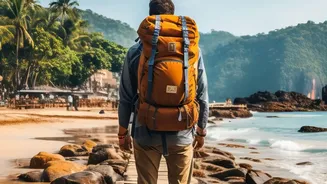
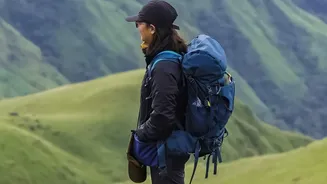
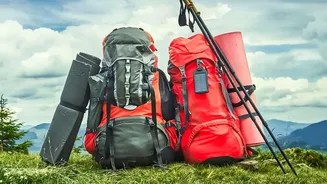
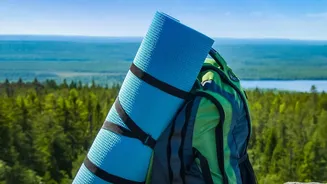
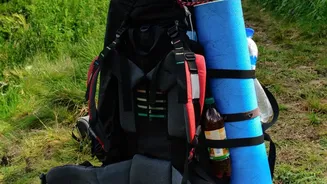
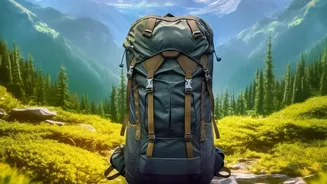
Your backpack and shoes are your most critical companions. For multi-day treks, a 40-50 litre backpack with a rain cover is ideal. Ensure it has good shoulder and hip support to distribute weight evenly. For footwear, prioritise shoes with excellent grip
for slippery, muddy trails. While waterproof boots sound logical, many experienced trekkers prefer non-waterproof, quick-draining shoes paired with waterproof socks. This combination prevents water from getting trapped inside your boots during continuous heavy rain, a common scenario in the Ghats. Always break in new shoes before your trek to avoid painful blisters.
Clothing: The Art of Layering
The golden rule for trekking apparel is to avoid cotton entirely. Cotton absorbs moisture and takes a long time to dry, leaving you cold and prone to chafing. Instead, opt for a three-layer system. Your base layer should be a moisture-wicking synthetic t-shirt that pulls sweat away from your skin. Your mid-layer, typically a fleece jacket, provides insulation. The outer layer must be a reliable waterproof and breathable rain jacket to protect you from downpours. Pack at least two pairs of quick-dry trekking pants. Full-length pants offer better protection from insects and scratches.
Monsoon Essentials and Leech Protection
Trekking in the Western Ghats, especially during the monsoon, means preparing for rain and leeches. Waterproof gaiters are highly recommended; they cover the gap between your pants and boots, preventing water, mud, and leeches from getting in. Anti-leech socks, which are thick and come up to your knee, are a lifesaver in leech-infested areas. You can also tuck your pants tightly into your regular socks as a barrier. Wearing light-coloured clothing can help you spot leeches more easily before they attach. Some trekkers also carry a small spray bottle with a salt, Dettol, or lemon juice solution to apply to their shoes as a repellent.
Health, Hygiene, and Safety Kit
Your first-aid kit should contain the basics: antiseptic wipes, bandages, pain relief medication, and any personal medicines. For the Ghats, add an antifungal cream for your feet, which may remain damp for long periods. Also include electrolyte powders or tablets to replenish salts lost through sweating. For hygiene, pack a small quick-dry towel, biodegradable soap, hand sanitiser, and wet wipes. Never pull a leech off forcefully; this can leave its mouthparts in your skin. Instead, sprinkle salt or use a sanitiser to make it detach on its own, then clean the wound with an antiseptic.
Electronics and Navigation
Even on well-marked trails, it's wise to have a navigation tool. A GPS device or a smartphone with offline maps is essential. Protect your electronics from the relentless moisture using dry bags. A good quality headlamp with extra batteries is non-negotiable, especially if your trek involves early starts or late finishes. A power bank is crucial for keeping your phone and other devices charged, as you'll be away from power sources for days.
Snacks and Hydration
Staying hydrated and energised is vital. Carry at least two one-litre water bottles or a hydration bladder. It's also wise to have a water purification system, such as chlorine tablets or a filter bottle, as natural water sources may not be potable. For energy, pack high-calorie snacks that are easy to eat on the go. Trail mix, nuts, dates, energy bars, and chikkis (jaggery and nut bars) are excellent choices that provide sustained energy.