







The Short-Sighted Pumping Game
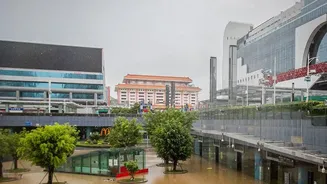
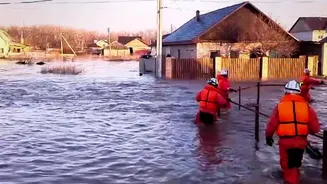
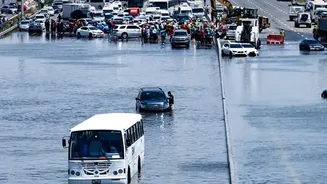
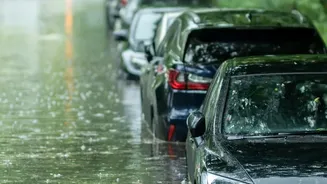
When city roads turn into canals, deploying high-capacity pumps seems like a logical first step. It is a visible, immediate action that offers a semblance of control. However, pumping is a reactive measure that addresses the symptom, not the disease.
It is an energy-intensive and costly exercise that merely shifts large volumes of water from one inundated area to another, often overwhelming downstream locations. This cycle of displacement does nothing to solve the fundamental problem and offers no long-term protection. As long as the primary strategy is to pump water out after it has already accumulated, cities will remain trapped in a costly and inefficient loop of emergency response, year after year.
Our Cities' Choked Arteries
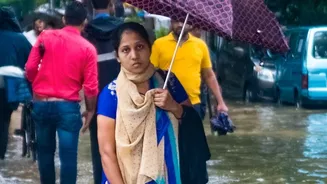
The real culprit behind urban flooding is the abysmal state of our drainage systems. In many Indian cities, these critical networks are old, poorly maintained, and completely inadequate for current population densities and rainfall patterns. A 2019 government estimate revealed that only about 20% of India's urban road network is covered by stormwater drains. The drains that do exist are frequently clogged with plastic waste, silt, and construction debris, drastically reducing their carrying capacity. Furthermore, many stormwater drains are illegally used for discharging raw sewage, a practice that not only creates a massive public health hazard but also further compromises the drainage infrastructure. When even moderate rainfall occurs, these choked systems are quickly overwhelmed, leading to the widespread waterlogging we see so often.
The Concrete Jungle Effect
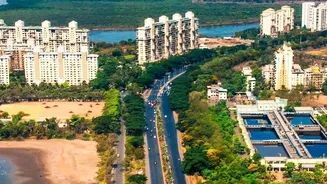
Unplanned and rapid urbanization has turned our cities into vast stretches of impermeable concrete. Roads, buildings, and paved surfaces have replaced natural sponges like wetlands, parks, and soil, which would have absorbed a significant portion of the rainwater. This rampant concretization means that almost all the rainwater becomes surface runoff, rushing towards drainage systems that were never designed to handle such volumes. The encroachment on and destruction of natural water bodies like lakes and floodplains have further crippled the cities' innate ability to manage excess water. A recent analysis of floods in Assam found that human factors like unplanned urbanization and degradation of wetlands now outweigh rainfall variability in causing floods. This self-inflicted vulnerability is a key reason why rainfall events that were once manageable now lead to catastrophic flooding.
A Blueprint for True Resilience
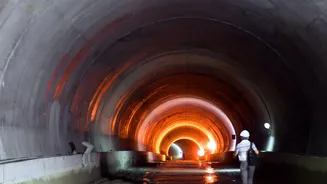
Shifting focus from pumping to drainage means investing in long-term resilience. This requires a multi-pronged approach. First, cities must map, clean, and upgrade their existing stormwater drain networks. Simply desilting drains only before the monsoon is not enough; it must be a year-round activity. Second, there is a critical need to adopt modern and sustainable drainage solutions. This includes separating sewage from stormwater systems and implementing designs like the 'pipe and chamber' system, which is more efficient and easier to maintain than antiquated box drains. Third, we must embrace the concept of Sustainable Urban Drainage Systems (SUDS), which integrate green infrastructure like rain gardens, bioswales, and permeable pavements to manage rainwater at its source. These solutions help reduce runoff, recharge groundwater, and restore a city's ecological balance.