





What Exactly Is Kanji?
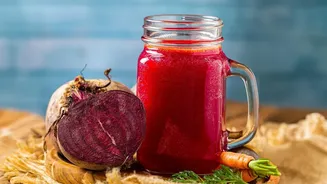
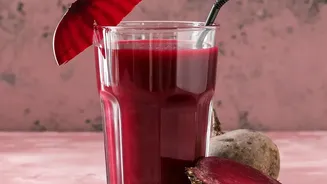
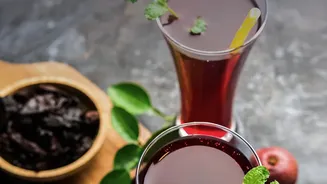
At its heart, Kanji is a traditional fermented beverage popular across North India, especially during the winter months and the festival of Holi. It's a naturally fermented drink, most famously made from seasonal black carrots (kali gajar), which give
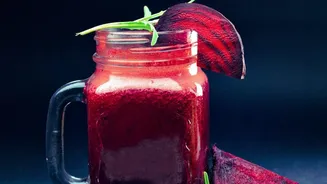
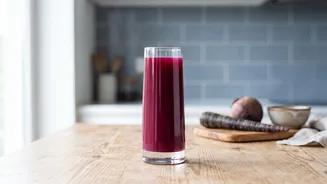
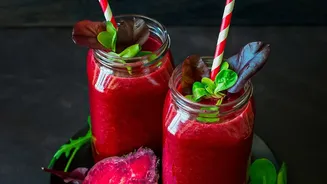
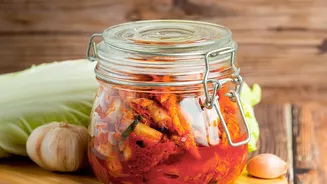
it a stunning deep purple-red colour. The process is simple yet magical: carrots are cut and placed in water with salt and coarsely ground mustard seeds (rai). This mixture is then left in a glass or ceramic jar in the sun for several days. The naturally occurring bacteria on the carrots and from the mustard seeds kick off a process of lactic acid fermentation, transforming the simple ingredients into a tangy, savoury, and slightly fizzy drink with a uniquely pungent kick. It’s an acquired taste that many find refreshingly complex.
The Gut Health Powerhouse
The recent buzz around Kanji is primarily due to its gut-friendly properties. As a fermented food, it is a natural source of probiotics—live beneficial bacteria that support a healthy gut microbiome. A balanced gut is linked to improved digestion, reduced bloating, and better nutrient absorption. But the benefits don't stop there. Some experts point out that Kanji is also rich in postbiotics, which are the beneficial compounds created by the good bacteria during fermentation. These include short-chain fatty acids and B vitamins that help support the gut lining and reduce inflammation. This ancient drink is essentially a homemade, preservative-free alternative to many commercial probiotic drinks, offering a holistic approach to digestive wellness.
More Than Just Probiotics
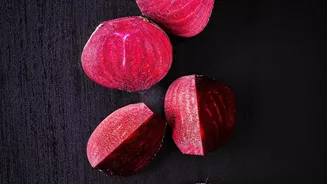
While gut health is the main draw, the star ingredient—the black carrot—brings its own set of impressive credentials. Black carrots are packed with anthocyanins, the powerful antioxidants responsible for their dark colour. These compounds are known for their anti-inflammatory properties and their role in protecting cells from oxidative stress. Studies suggest that a diet rich in anthocyanins may support heart health, improve vision, and even offer neuroprotective benefits. When black carrots are fermented to make Kanji, these valuable phytonutrients become more readily available for the body to absorb. The drink is also a good source of Vitamin C and other essential minerals, making it a powerful immunity booster, traditionally consumed to ward off seasonal coughs and colds.
From Tradition to Urban Trend
So, why is Kanji suddenly appearing in urban homes and on social media feeds? The answer lies in a broader shift towards wellness and a renewed appreciation for local, traditional foods. In a world saturated with global trends like kombucha and sourdough, many Indians are looking inward, rediscovering the wisdom embedded in their own culinary heritage. The pandemic amplified the focus on immunity and natural health solutions, creating the perfect environment for Kanji's revival. It’s seen as an authentic, accessible, and sustainable alternative to expensive, store-bought functional beverages. This isn't just about health; it's about connecting with a food culture that is both ancient and scientifically sound.
Brewing Your Own Liquid Ruby
Part of Kanji’s growing appeal is its simplicity. Making it at home requires no special equipment or starter cultures. The basic recipe involves about half a kilogram of black carrots, a few tablespoons of ground mustard seeds, salt, and around two litres of water. Simply wash and slice the carrots, place them in a large sterilised glass jar, and add the water, ground mustard, and salt. Some recipes also include a pinch of red chilli powder or black salt for extra flavour. Cover the mouth of the jar with a clean cloth, secure it, and let it sit in the sun for three to five days, stirring it once daily with a clean spoon. You'll know it's ready when it develops a pleasantly sour, tangy aroma. Once fermented, it can be stored in the fridge and served chilled, often with a few carrot pieces in the glass.