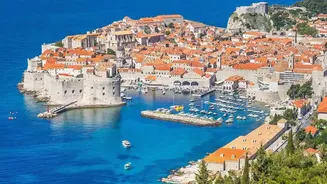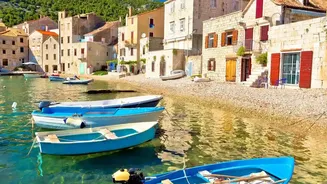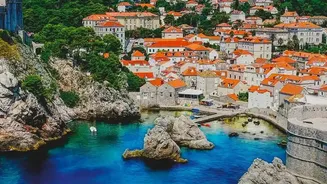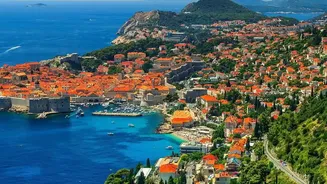

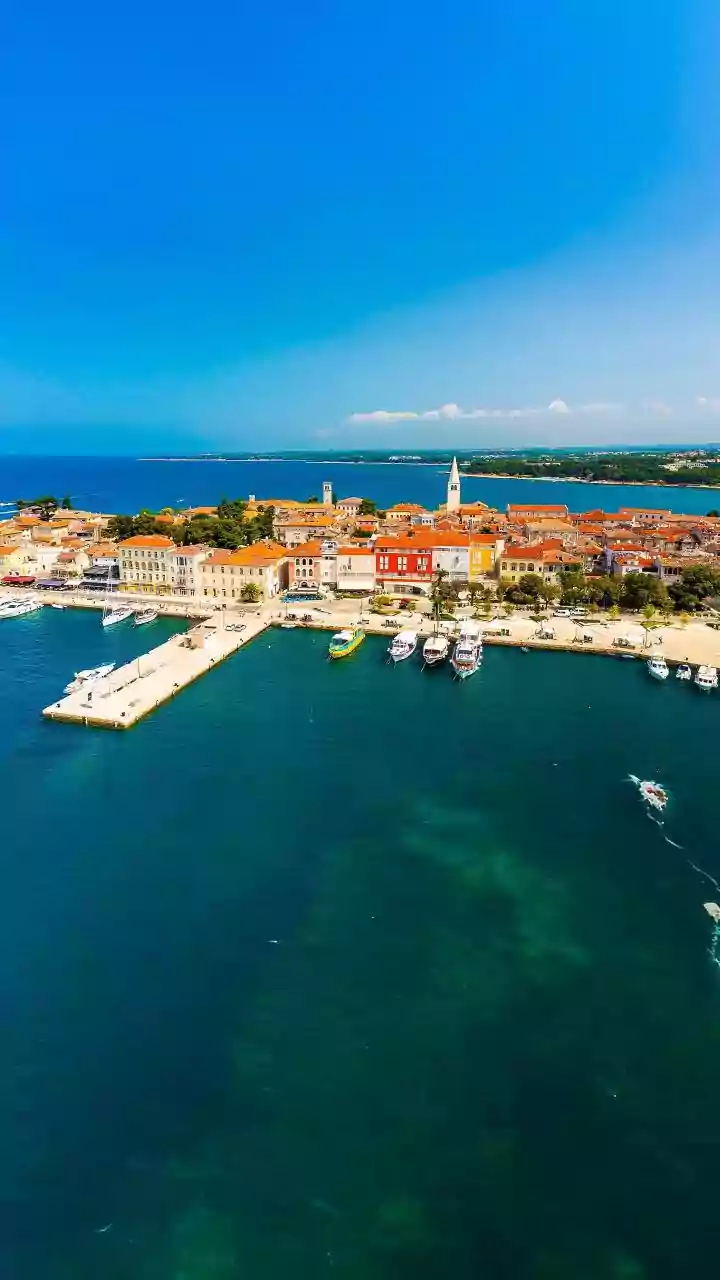
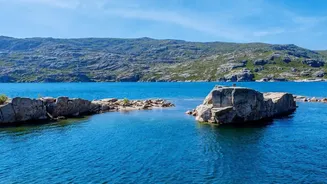
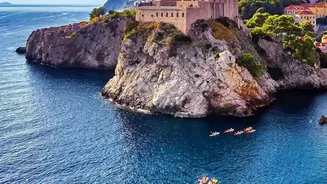
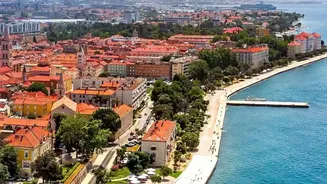
Dubrovnik's Old Town
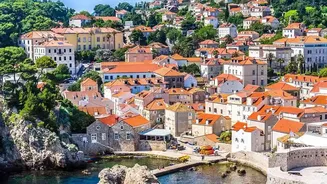
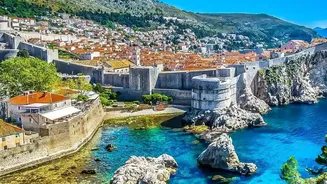
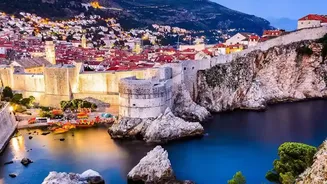
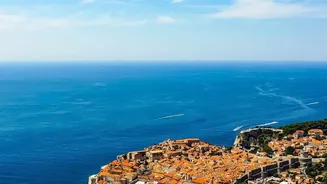
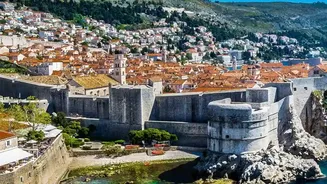
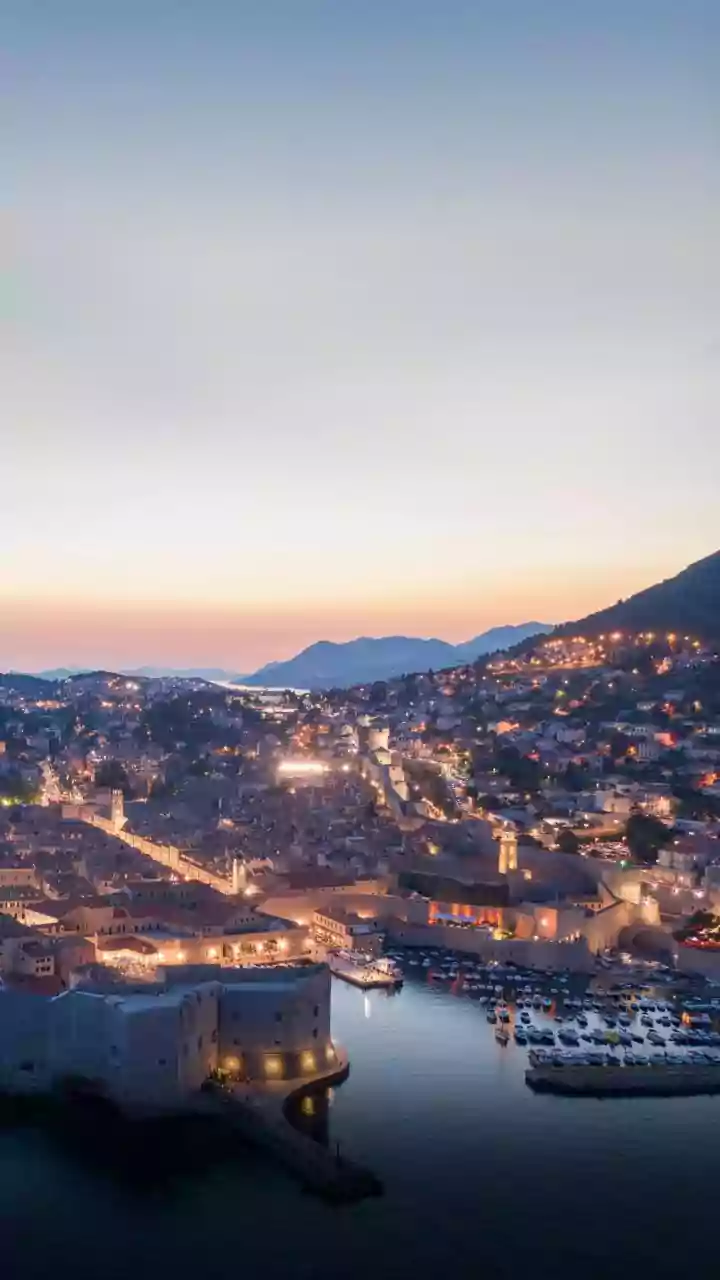
Known as the 'Pearl of the Adriatic' and the real-life King's Landing, Dubrovnik's medieval walls and limestone streets are undeniably stunning. The problem? Everyone knows it. In peak season, the main street becomes a slow-moving human traffic jam, with
cruise ship crowds turning a historic wander into a stressful shuffle. The sheer volume of people can make it feel more like a theme park than an ancient city. Finding a quiet corner or an affordable, authentic meal becomes a serious challenge. The experience for many visitors is simply not as magical as the photos suggest.
Instead, Try: Šibenik
For a similar vibe without the overwhelming crowds, head north to Šibenik. This historic city also boasts a magnificent stone old town, winding alleyways, and a stunning waterfront. Crucially, it has two UNESCO World Heritage sites: the incredible Cathedral of St. James and St. Nicholas' Fortress. Šibenik offers the same historical grandeur and architectural beauty as Dubrovnik but retains a more local, lived-in feel. It’s an ideal base for exploring the coast and is also the gateway to another fantastic destination: Krka National Park. You get all the charm with a fraction of the stress.
Hvar Town's Party Scene
Hvar has built a reputation as Croatia's premier party island, where glamorous yachts line the harbour and cocktail bars command steep prices. While the nightlife is certainly energetic, the focus on high-end partying can feel one-dimensional and expensive. For travellers not seeking a 24/7 party, the town's charm can be overshadowed by the crowds and the cost. Beyond the bustling main square, the rest of this beautiful island often gets overlooked.
Instead, Try: Korčula or Vis
Often called a 'mini-Dubrovnik' for its own beautiful medieval walls and terracotta roofs, Korčula Town offers history, romance, and excellent local wine without the Hvar price tag. It has a sophisticated but relaxed atmosphere. For true tranquility, the island of Vis is an even better choice. As a former military base, it was closed to visitors for decades, preserving its rugged, untouched beauty. Vis is for those who want secluded coves, authentic konobas (taverns), and a glimpse of what Dalmatian life used to be like.
Plitvice Lakes in Peak Season
There's no denying the otherworldly beauty of Plitvice Lakes National Park. Its 16 terraced lakes connected by waterfalls are a natural wonder. But visiting in summer can be a trial of patience. You'll likely find yourself on narrow wooden boardwalks in a slow, crowded procession, making it hard to connect with nature. The experience can feel less like a peaceful hike and more like waiting in a very long, albeit beautiful, queue.
Instead, Try: Krka National Park
Located closer to the Dalmatian coast, Krka National Park offers a similarly stunning landscape of waterfalls and lush greenery. While also popular, it often feels less congested than Plitvice and can be more easily combined with a visit to Šibenik. The park is centred around the Krka River, with wooden paths winding through the scenery. Its most famous spot, Skradinski Buk, is a massive, clear pool fed by cascades, providing a breathtaking alternative for waterfall lovers.
Split's Diocletian's Palace
The heart of Split is a living wonder: a Roman palace built in the 4th century that now forms the core of the Old Town. It’s an architectural marvel, but its central courtyards and main arteries can get incredibly congested with tour groups and foot traffic. The main Riva promenade, while scenic, is lined with repetitive and often overpriced restaurants catering almost exclusively to tourists, detracting from the authentic feel of this ancient complex.
Instead, Try: Trogir or Zadar
Just a short trip from Split, the entire town of Trogir is a UNESCO World Heritage site. It’s a beautifully preserved island-town packed with Romanesque and Venetian architecture, offering a more compact and less crowded historical experience. Alternatively, Zadar provides a different flavour of coastal city life. It has its own fascinating Roman ruins and a charming old town, but is famous for two unique modern art installations: the Sea Organ, which plays music powered by the waves, and the Sun Salutation, a giant solar-powered light display. It feels like a real, lived-in city, not just a tourist hub.
Rovinj's Crowded Old Town
With its colourful houses tumbling down to the sea and a hilltop church dominating the skyline, Rovinj is arguably the most picturesque town on the Istrian peninsula. However, its beauty is no secret. In summer, its narrow cobblestone streets are packed, and many shops cater specifically to tourists with generic souvenirs. While undeniably charming, the crowds can make it difficult to appreciate the town's romantic atmosphere.
Instead, Try: Inland Istria's Hilltop Towns
To find the true soul of Istria, head away from the coast and into the rolling green hills. This region is dotted with medieval hilltop towns that feel worlds away from the seaside crowds. Explore Grožnjan, a haven for artists and musicians, or Motovun, famous for its forest and truffles. Other quiet gems like Oprtalj and Gračišće offer stunning panoramic views and an authentic atmosphere where life moves at a slower pace. Here, you can enjoy local wineries, olive oil tastings, and a sense of discovery that's harder to find on the busy coast.