




A Surge in Sickness
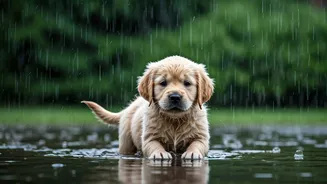
The Indian monsoon, with its high humidity, is a peak season for pet illnesses. Veterinary clinics often report a significant spike in visits during these months. The moist environment is a perfect breeding ground for bacteria, fungi, and parasites. This
leads to a rise in skin infections, including acute moist dermatitis or 'hot spots', which are painful, inflamed patches of skin that can appear suddenly. Ticks and fleas also multiply rapidly in these conditions, increasing the risk of dangerous tick fever. Moreover, stagnant water in puddles and flooded areas can be contaminated with harmful bacteria like Leptospira, which causes leptospirosis, a severe and potentially fatal disease.
Paw Care is Paramount
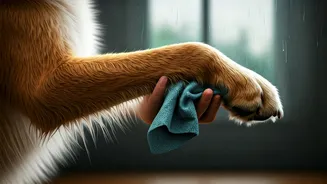
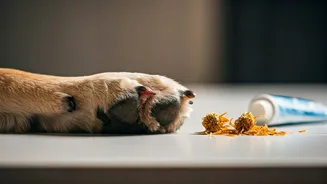
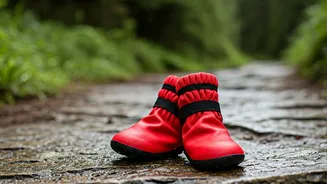
Your pet’s paws are their first point of contact with wet, muddy surfaces, making them highly vulnerable. After every walk, it is crucial to clean and dry their paws thoroughly, paying special attention to the area between the toes where moisture can get trapped and lead to fungal infections. Rinsing paws with lukewarm water, perhaps with a vet-approved antiseptic, is a good practice. Applying a protective paw balm or even coconut oil before a walk can create a barrier against moisture and irritants. For long-haired breeds, trimming the fur between the paw pads helps prevent mud and debris from getting lodged.
Grooming for Health
A damp coat is a major culprit for skin issues during the monsoon. Thoroughly towel-drying your pet after any exposure to rain is essential; some owners even use a blow dryer on a low, cool setting. Regular brushing is vital to remove loose fur, prevent matting that traps heat and moisture, and allow the skin to breathe. Weekly baths with a vet-recommended antifungal shampoo can help keep skin infections at bay. The high humidity also makes ears, especially in floppy-eared breeds, prone to infection. Regular cleaning and ensuring the ears are kept dry can prevent painful conditions.
Diet and Hydration
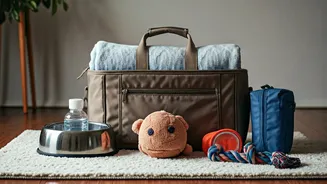
The digestive system can also be more sensitive during this season. It's advisable to provide easily digestible food. Since outdoor activity might be limited, you may need to adjust meal portions to prevent weight gain. Most importantly, ensure your pet has constant access to fresh, clean drinking water. Never allow them to drink from puddles or stagnant sources, which are rife with pathogens. Providing filtered or boiled water is the safest option to prevent water-borne diseases. Storing dry food in an airtight container is also important to prevent it from absorbing moisture and developing mould.
Beating the Indoor Blues
Reduced outdoor time can lead to boredom and pent-up energy, which may manifest as destructive behaviour. Engaging your pet in indoor activities is key to keeping them mentally stimulated and physically active. Food puzzles, treat-dispensing toys, and lick mats are excellent ways to make mealtimes more challenging and fun. You can play scent games by hiding treats around the house for your dog to find, which is a great way to tire them out. Simple training sessions to teach new tricks or an indoor obstacle course made from household items can also provide much-needed enrichment and strengthen your bond.