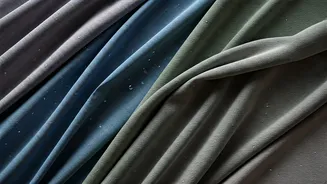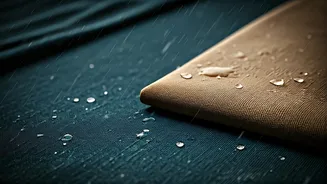

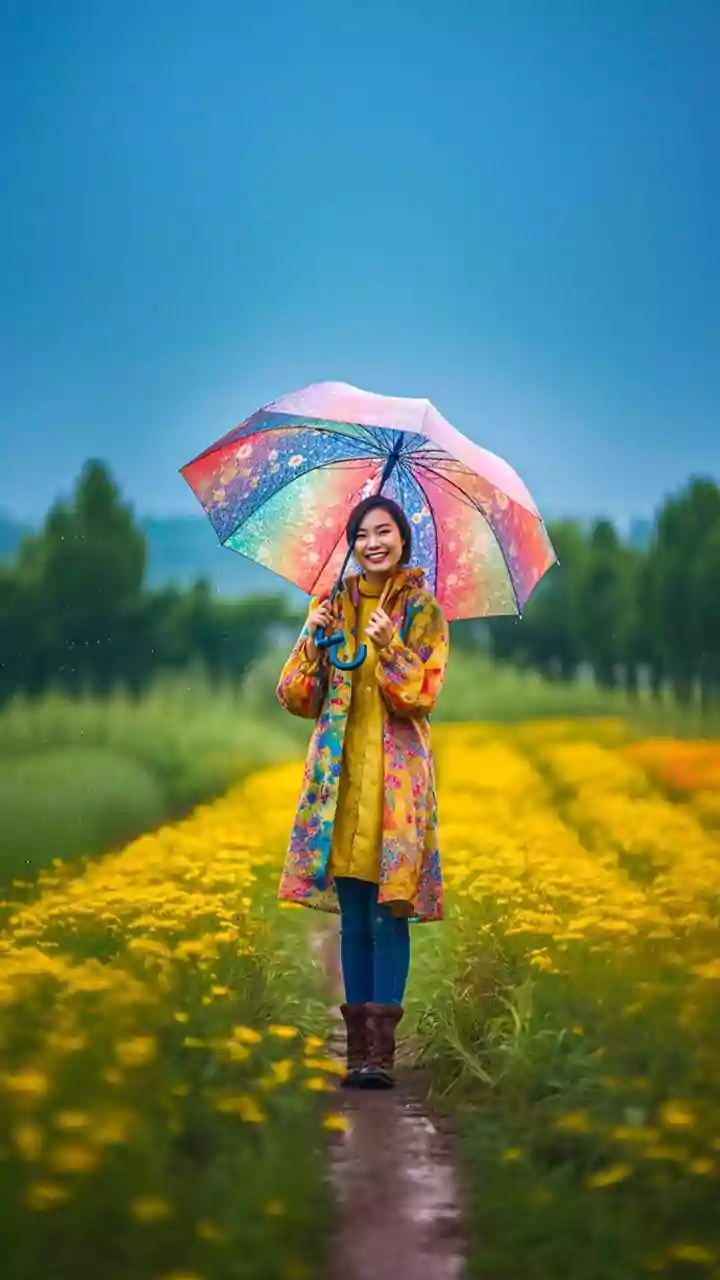

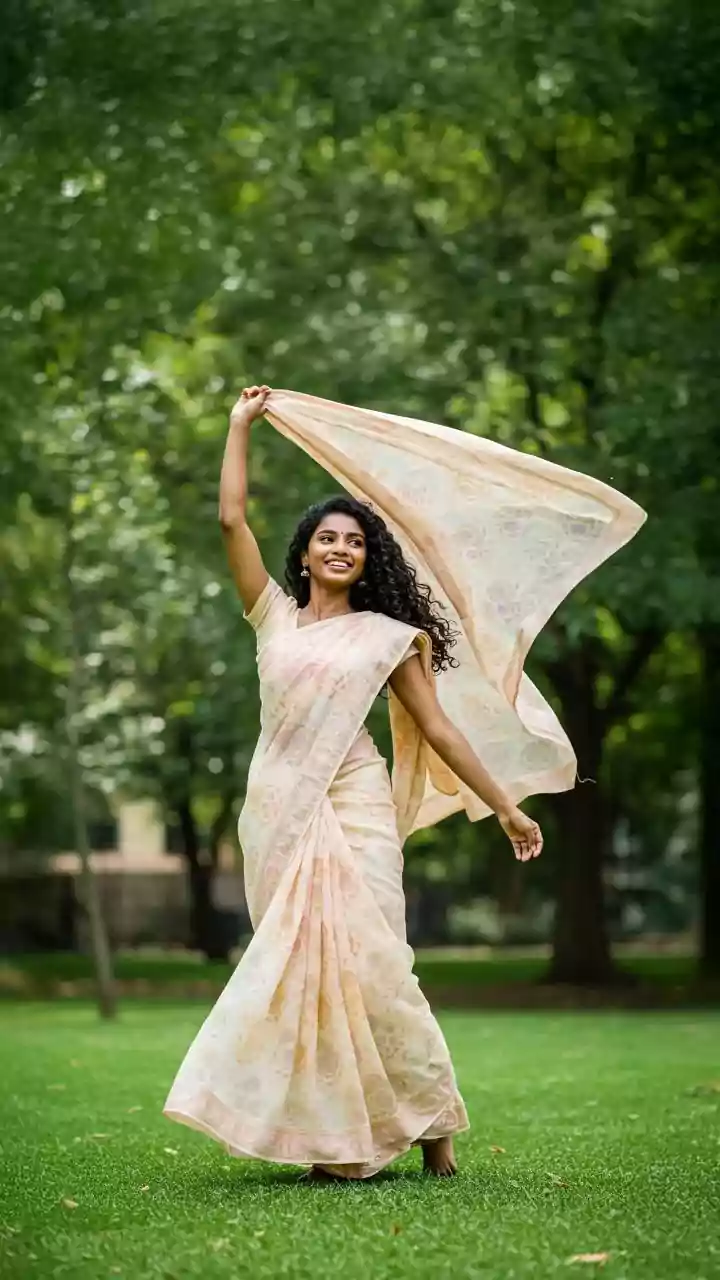




The Best: Lightweight Cottons (Mulmul, Voile, and Cambric)
While heavy cotton is a monsoon mistake, its lighter relatives are your best friends. Fabrics like mulmul (also known as muslin or voile), cambric, and other fine cottons are exceptionally breathable and lightweight. They allow air to circulate, which
is crucial in sticky, humid weather to keep you from feeling suffocated. These fabrics absorb some moisture but also dry relatively quickly, preventing that damp, heavy feeling. Their softness increases with each wash, making them comfortable for all-day wear, whether for kurtas, shirts, or dresses.
The Best: Rayon and Modal
Rayon is a semi-synthetic fabric derived from natural sources, prized for its smooth, silk-like feel and excellent drape. It's a great monsoon choice because it's breathable and doesn't trap body heat, helping you stay cool in high humidity. Rayon absorbs moisture well and also dries faster than pure cotton, making it practical for days with unexpected showers. Its flowy nature prevents it from clinging to the skin, ensuring comfort. Look for rayon in dresses, blouses, and jumpsuits for a stylish yet comfortable monsoon look.
The Best: Chambray
Often mistaken for denim, chambray is its lighter, more breathable cousin. It uses a plain weave construction, unlike denim's twill weave, which results in a softer and much lighter fabric perfect for warm, damp climates. Chambray offers the classic look of denim without the weight and heat-trapping properties. It's a durable and versatile choice for shirts, dresses, and even lightweight trousers, keeping you cool while still looking polished.
The Best: Smart Synthetics (Georgette, Crepe, and Blends)
While 100% polyester can feel like a trap in humidity, certain synthetic fabrics and blends are engineered for the rain. Lightweight georgette and crepe, often made from polyester, are excellent for the monsoon because they don't absorb water, dry incredibly fast, and resist wrinkling when wet. This makes them ideal for sarees and dresses on rainy days. Cotton-polyester blends can also be a smart compromise, offering the breathability of cotton with the quick-drying, wrinkle-resistant benefits of polyester.
To Avoid: Heavy Cotton and Denim
Your favourite pair of jeans or that thick cotton kurta might seem like a sturdy choice, but they are among the worst for the rainy season. Both fabrics are highly absorbent and take an extremely long time to dry in humid conditions. Once wet, they become heavy, stick to your skin, and can feel oppressive. The prolonged dampness also makes them prone to developing a musty smell or even mildew, making them impractical for the season.
To Avoid: Pure Silk, Velvet, and Brocade
Luxurious fabrics like silk, velvet, and heavy brocades are best saved for drier weather. Silk is delicate and prone to permanent water spots, meaning even a few drops of rain can ruin a garment. It also gets heavy and takes a long time to dry. Velvet and other plush fabrics act like sponges, absorbing moisture immediately and becoming uncomfortable to wear. Heavily embroidered pieces are also problematic, as the threads can trap water against the skin long after the base fabric feels dry.
To Avoid: Leather and Suede
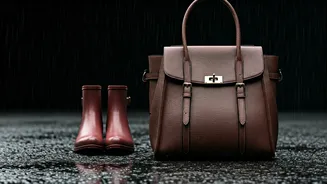
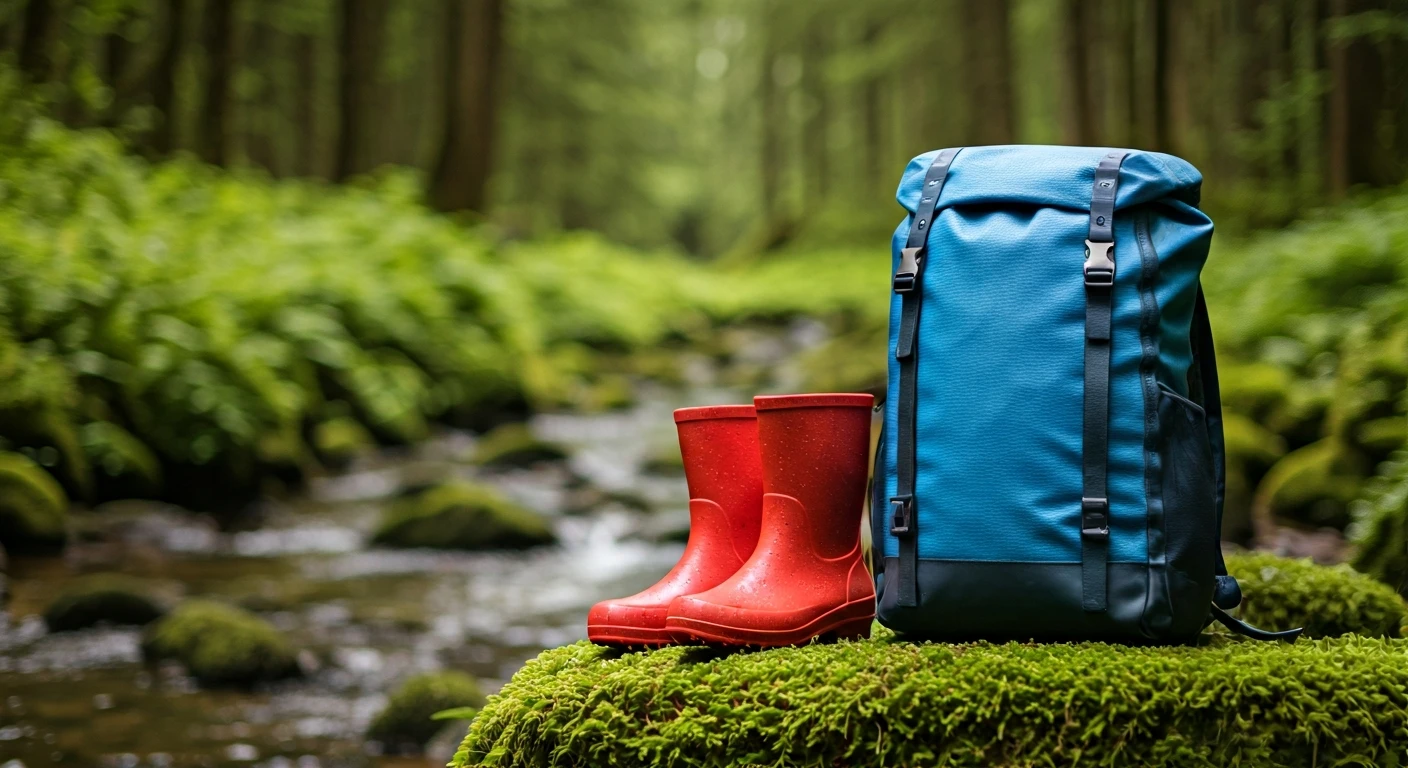
This rule extends beyond just clothing to accessories and footwear. Leather and suede are highly susceptible to damage from moisture. Rain can cause leather to warp, stiffen, and develop unsightly stains. Suede is even more delicate and can be ruined by water exposure. During the monsoon, it's wise to store your leather jackets, bags, and shoes and opt for waterproof alternatives like rubber footwear and nylon or plastic handbags to navigate the puddles and downpours stress-free.