

The Solar Eclipse You Won't See (But Should Know About)
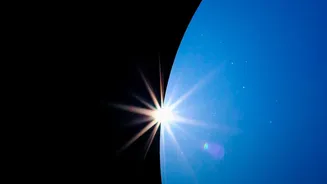
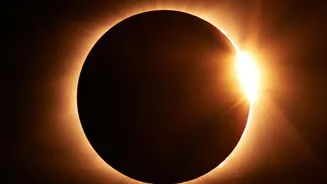
The headline event globally this month is a total solar eclipse on August 12. However, to manage expectations, this celestial spectacle will not be visible from India. The path of totality, where the Moon completely blocks the Sun, crosses over Greenland,
Iceland, and parts of Spain and Portugal. The eclipse occurs during nighttime for India, beginning around 9:45 PM IST on August 12. While you won’t be able to view it directly, you can still catch the magic through live streams from space agencies like NASA, which will broadcast the event for a global audience.
The Main Event: The Perseid Meteor Shower
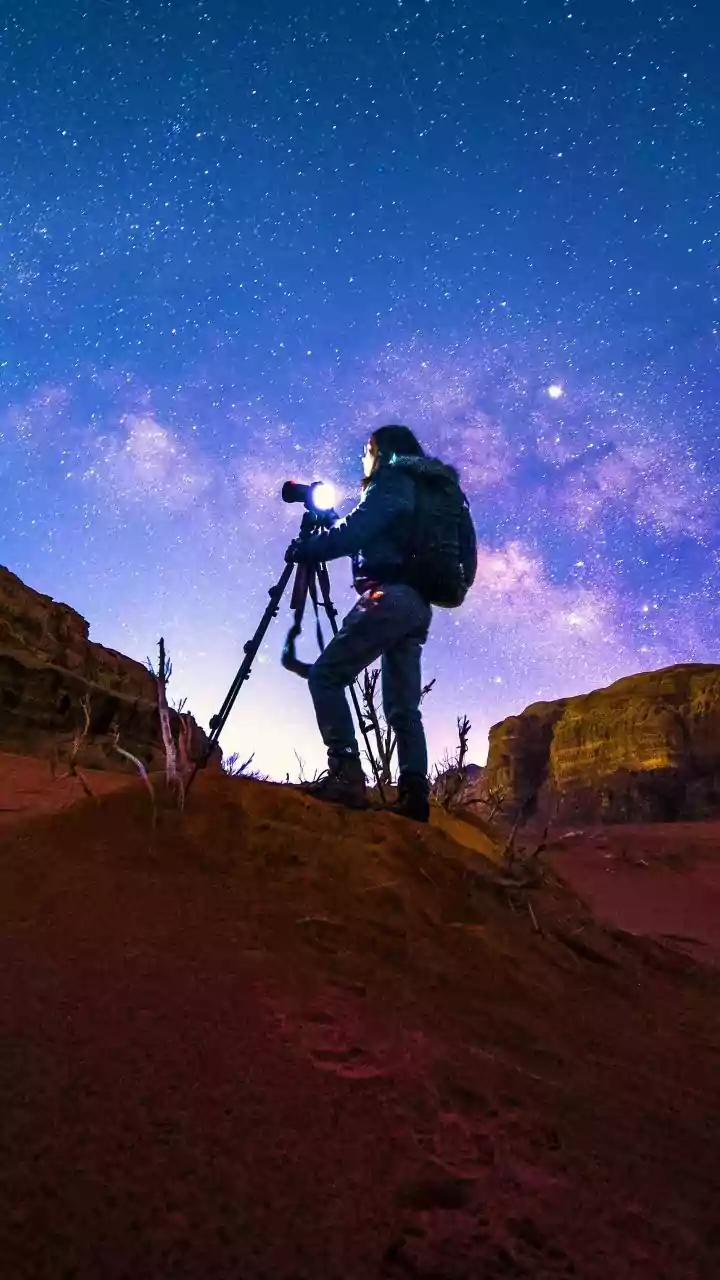
Arguably the best and most reliable meteor shower of the year, the Perseids are set for a phenomenal showing in 2026. The shower peaks on the night of August 12 and into the pre-dawn hours of August 13. What makes this year truly special is that the peak coincides with a New Moon. This means no moonlight will wash out the display, creating perfect, dark-sky conditions for meteor spotting. Under a clear, dark sky away from city lights, you could see up to 100 meteors per hour. These fast, bright meteors are known for leaving long, glowing trails. For the best view, find a dark spot after midnight, let your eyes adjust for about 30 minutes, and look towards the northeast constellation of Perseus, though meteors can appear anywhere in the sky.
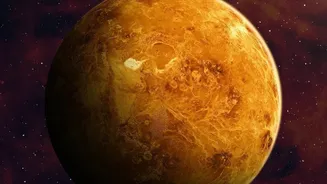
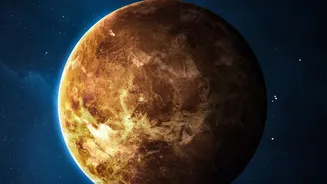
Venus: The Brilliant 'Evening Star'
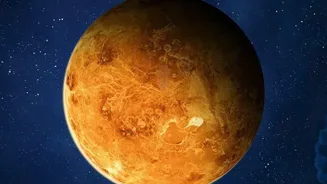
Venus will be a commanding presence in the western sky after sunset throughout August. The planet reaches its greatest eastern elongation on August 15, meaning it will be at its farthest apparent distance from the Sun. This makes it a fantastic time for viewing. Look for a brilliantly bright, steady light in the west about 30 to 60 minutes after the Sun goes down. Its immense brightness, outshining every star and planet, means you won't need any special equipment to spot it. On August 16, a thin crescent moon will appear near Venus, making for a beautiful photo opportunity.
A Parade of Planets Before Dawn
While Venus rules the evening, the pre-dawn sky has its own rewards. Around August 12 and 13, a planetary alignment or 'parade' of six planets will be spread across the morning sky. Before sunrise, look towards the east to potentially spot Mercury, Jupiter, Mars, and Saturn. While Mercury and Jupiter will be low on the horizon, Mars and Saturn should be more easily visible to the naked eye. This isn't a tight, straight line of planets, but rather a beautiful scattering of worlds along the ecliptic—the path the Sun takes across the sky.
A Late-Month Lunar Eclipse
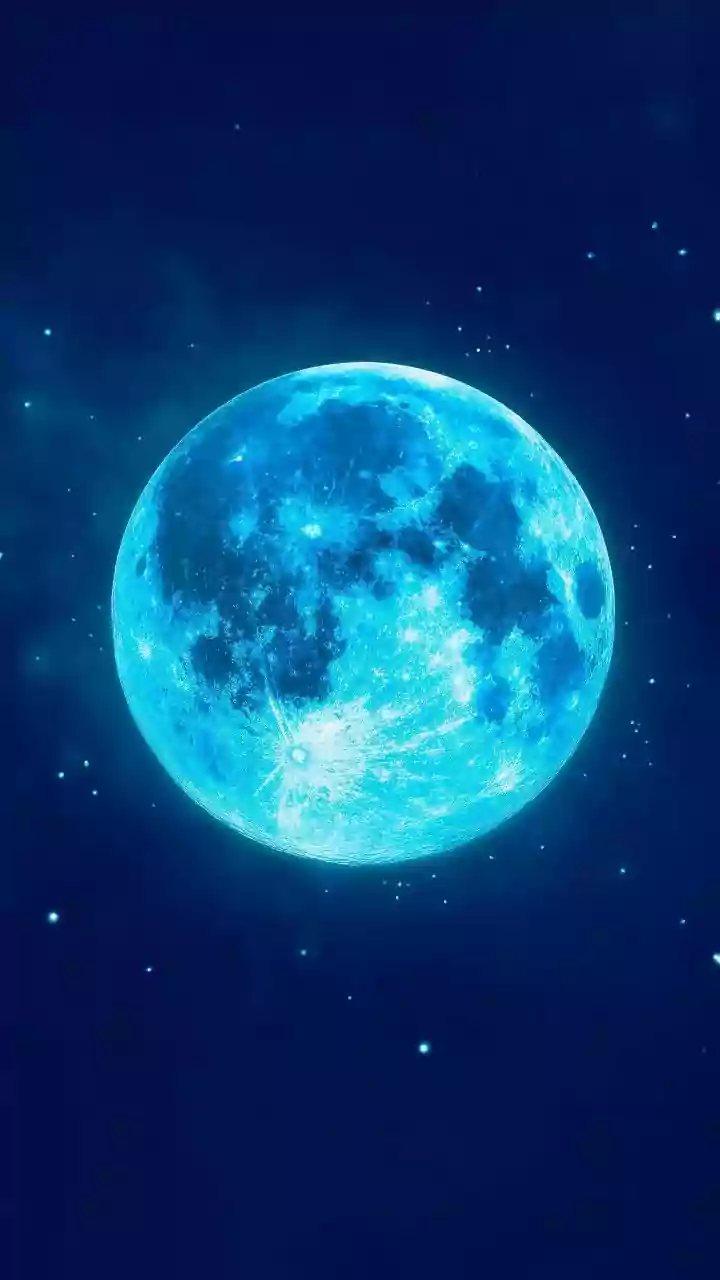
Closing out the month's celestial schedule, a partial lunar eclipse will occur on August 28. During this event, a part of the Full Moon will pass through the Earth's darker shadow, known as the umbra. This will cause a noticeable section of the Moon to darken, creating a striking visual contrast with the rest of the illuminated lunar surface. Keep an eye out for more specific timings and visibility details for your location as the date approaches, as this offers a beautiful and easily observable bookend to an exciting month of skywatching.