



The Legend of the Forest Berry
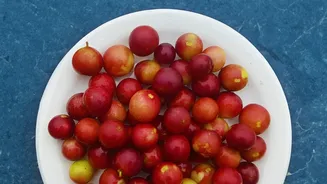
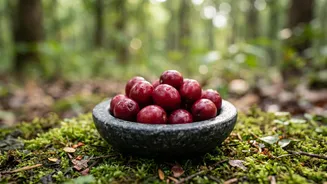
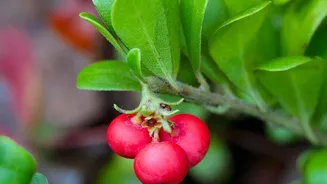
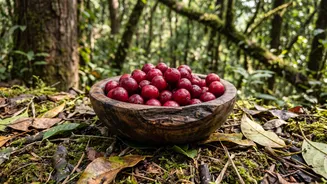
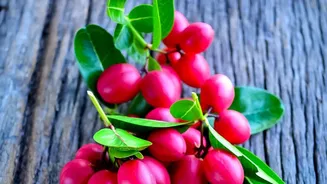
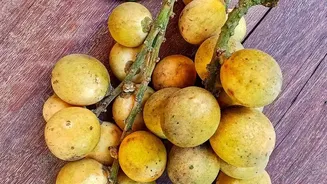
The berry in question is a wild variety of Ziziphus, commonly known as Indian jujube or 'ber'. Specifically, the kind found in the Karauli region is often Ziziphus nummularia, a hardy, thorny shrub that thrives in arid conditions. For generations, local
communities have harvested these small, reddish-brown fruits. Traditionally, they are consumed fresh, dried, or powdered. The fruit is known for its sweet and tangy flavour and is considered a valuable source of nutrition in a region with harsh growing conditions. Its reputation has grown from a seasonal forest fruit to a purported panacea, largely through word-of-mouth and social media, where extraordinary claims about its healing powers have taken root.
Traditional Use vs. Miracle Claims
In traditional systems of medicine like Ayurveda, various parts of the Ziziphus plant have been used for centuries. The leaves might be used for skin conditions, the bark for digestive issues, and the fruit itself is considered to have cooling properties and nutritional benefits. It's valued for being rich in Vitamin C, antioxidants, and fibre. However, this is a far cry from the modern claims that it can 'cure' chronic and serious conditions like severe arthritis. Sellers and online videos often target people suffering from joint pain, suggesting that consuming the berry powder will eliminate their problem. This modern marketing leapfrogs traditional knowledge, transforming a nutritional supplement into a supposed miracle drug without any scientific basis for such strong claims.
What the Science Actually Says
When we look for robust clinical trials on humans, the evidence for Karauli's wild beri as a 'cure' is non-existent. However, preliminary scientific research on Ziziphus nummularia does show some promise. Laboratory and animal studies suggest the plant contains compounds with anti-inflammatory, antioxidant, and analgesic (pain-relieving) properties. These studies point to the presence of flavonoids, saponins, and tannins, which are bioactive compounds known to have health benefits. While this is interesting and validates some aspects of its traditional use, it is a significant and dangerous leap to conclude it can cure a disease in humans. Many plants show promising effects in a petri dish, but very few translate into safe and effective medical treatments after rigorous testing.
The Real Dangers of the 'Cure' Label
Calling any unverified substance a 'cure' is deeply irresponsible for several reasons. Firstly, it can give patients false hope and lead them to abandon or delay proven medical treatments, which can cause their condition to worsen. Secondly, the safety of these wild-harvested products is not regulated. There is no guarantee of purity, dosage, or the absence of contaminants like heavy metals or pesticides. Thirdly, even 'natural' products can have powerful effects and may interact dangerously with prescription medications, such as those for diabetes, blood pressure, or blood thinners. Believing that 'natural' automatically means 'safe' is a common but hazardous misconception. Any substance potent enough to have a drug-like effect is also potent enough to have side effects.