





The Trend That Has Everyone Talking
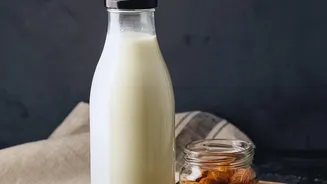
In the world of wellness, where golden turmeric lattes and green smoothies have long reigned supreme, a new, darker contender has emerged. Black milk, with its dramatic, inky hue, is the latest beverage capturing the curiosity of health enthusiasts and social
media scrollers alike. While Adah Sharma’s recent mention has amplified the buzz, the drink itself exists in a few different forms, each with a unique set of ingredients and purported benefits. From traditional recipes rooted in Indian and Chinese medicine to modern café versions designed for visual appeal, black milk is more than just a passing fad; it’s a category of drinks with a surprisingly rich history.
What Gives Black Milk Its Colour?
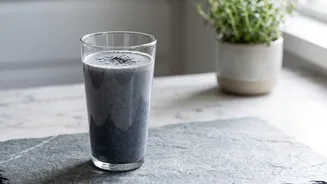
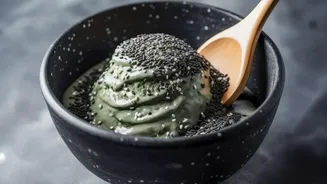
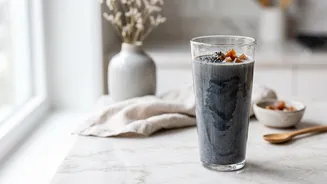
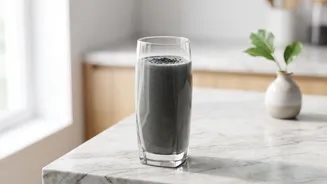
The striking black colour typically comes from one of two main sources: activated charcoal or black sesame seeds. The version gaining popularity in Western wellness circles often uses activated charcoal, a fine black powder made from materials like coconut shells burned at high temperatures. This process makes it highly porous. When mixed with a non-dairy milk like almond or oat, it creates a jet-black liquid. The other, more traditional version, derives its colour from natural ingredients. In some South Indian recipes, a 'black milk' or 'karuppu paal' is made from black urad dal (a type of lentil). In East Asian traditions, a popular drink is made by blending black sesame seeds with water or milk, creating a nutty, creamy, and naturally dark beverage.
The Activated Charcoal Controversy
The most common 'black milk' trend involves activated charcoal, which is famous for one key property: adsorption. Its porous surface allows it to trap toxins and chemicals, which is why it's a staple in emergency rooms for treating certain types of poisoning or drug overdoses. This 'detox' capability has led to its inclusion in everything from juices to ice cream, with proponents claiming it can cleanse the body, reduce bloating, and even cure hangovers. However, health experts urge caution. Activated charcoal is non-selective; it doesn't just bind to toxins, but also to nutrients, vitamins, and minerals in your food, preventing your body from absorbing them. This means adding it to a nutrient-rich smoothie could actually make the smoothie less healthy. It can also interfere with medications, including birth control pills, making them less effective.
The Healthier Alternative: Black Sesame Milk
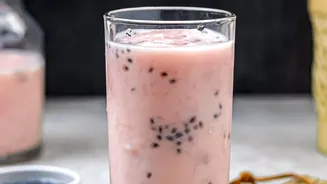
While charcoal milk comes with caveats, black sesame milk is a nutritional powerhouse. Used for centuries in Traditional Chinese Medicine, black sesame seeds are packed with health benefits. They are an excellent source of minerals like calcium, magnesium, and iron, which are vital for bone health. They also contain healthy fats and powerful antioxidants, such as sesamin and sesamolin, which help fight cellular damage and reduce inflammation. Unlike its charcoal counterpart, black sesame milk is celebrated for its ability to promote healthy skin and hair, support the nervous system, and contribute to overall wellness without the risk of nutrient depletion. Recipes are simple, often just involving soaked black sesame seeds blended with water and a natural sweetener like dates.
Adah Sharma's Focus on Natural Living
Adah Sharma's interest in unique wellness trends is no surprise given her public persona. The actress is a staunch advocate for a natural and plant-based lifestyle. She has often spoken about her vegetarian diet, her preference for home-cooked meals, and her use of unconventional fitness routines. In interviews, she's detailed a diet rich in whole foods like coconut water, fruits, and traditional Indian vegetarian meals, stating that she avoids processed items. While she has brought black milk into the conversation, her overall philosophy aligns more closely with using natural, nutrient-dense ingredients rather than processed supplements, putting the focus back on wholesome alternatives like black sesame or dal-based milks over the more controversial charcoal trend. Her recent posts have also explored other viral DIY trends, like using banana peels for skincare.