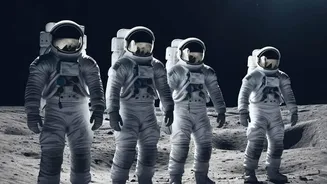



The Challenge of a Zero-Gravity Kitchen
Eating in space is far more complex than just packing a tiffin. In a microgravity environment, simple things become major hazards. A single breadcrumb, for instance, doesn't fall to the floor; it floats, posing a risk to sensitive electronic equipment
and an astronaut's eyes. Furthermore, the human body itself changes. Bodily fluids shift upwards, leading to a perpetually stuffy nose, which significantly dulls the senses of smell and taste. This makes food seem bland and unappetizing, a phenomenon that can lead to 'menu fatigue' and poor nutrition, which is dangerous on a long mission where maintaining bone density and muscle mass is critical. These challenges mean that space food cannot just be nutritious; it must be crumb-free, flavourful, and psychologically comforting.
Hyderabad's Answer to Space Gastronomy
While the Mysuru-based Defence Food Research Laboratory (DFRL) has long been a pioneer in developing meals for India’s armed forces and space missions, the city of Hyderabad has emerged as a key player in this culinary frontier. The ICMR-National Institute of Nutrition (NIN) in Hyderabad is now at the forefront of crafting specialised diets for India's Gaganyaan programme. Through a formal partnership with ISRO's Human Space Flight Centre, NIN scientists are focusing on the precise nutritional needs of the astronaut crew. Their research involves creating food formulations that are not only packed with micronutrients, antioxidants, and Vitamin D but are also tailored to withstand the physiological stresses of space travel. This includes participating in complex microgravity simulation studies to see how different foods and nutrients behave in space-like conditions.
On the Menu for Gaganyaan
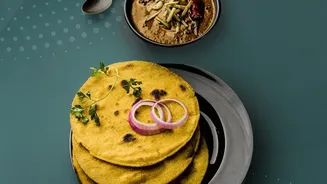
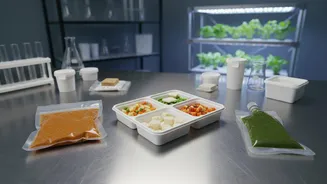
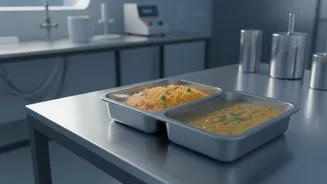
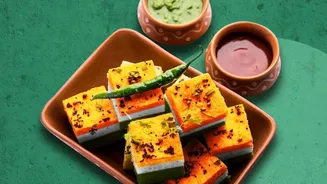
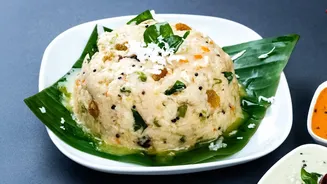
The menu being prepared for India’s astronauts is a testament to Indian innovation, offering a comforting slice of home millions of miles away. It features a variety of familiar vegetarian and non-vegetarian dishes. Early menus developed by DFRL included favourites like chicken biryani, shahi paneer, dal makhani, and aloo paratha. The Hyderabad-based NIN is adding to this with items like mutton rolls, chicken nuggets, khichdi, and specially formulated fruit purées. These meals are being prepared in various forms, including ready-to-eat packages, dehydrated powders that can be mixed with water, and semi-solid pastes. The goal is to provide a diet that supplies around 2,500 calories per day, is easy to consume, and above all, tastes delicious even when your sense of taste is compromised.
The Science Behind a Space Samosa
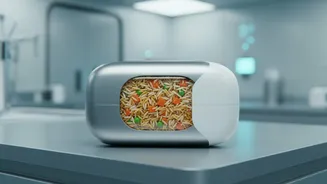
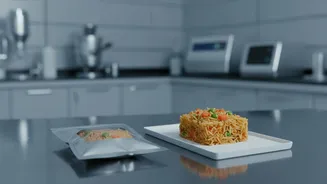
The technology that makes these meals possible is as impressive as the mission itself. Much of the food relies on 'retort pouch technology', a sophisticated preservation method. Food is packed in a multi-layered foil pouch and then heated to high temperatures to sterilise it, ensuring a shelf life of over a year without any preservatives or refrigeration. This process, which is less harsh than traditional canning, helps retain the flavour, texture, and nutritional value of complex Indian dishes. Scientists are also focused on texture, ensuring foods are moist and stick together to prevent fragmentation. To combat the blandness, meals are often more intensely seasoned than their Earth-based counterparts, giving astronauts that extra kick of flavour to make dining an enjoyable experience rather than a chore.
A Taste of Home in the Cosmos
Ultimately, the work being done in Hyderabad is about more than just calories and nutrients; it's about human psychology. For an astronaut far from home, in a confined and sterile environment, food is a powerful link to Earth and culture. The ability to enjoy a familiar dish like dal khichdi or mango pickle can be a significant morale booster and a way to combat the psychological stress of spaceflight. The experience of Indian astronaut Shubhanshu Shukla on a previous mission, where he craved salty and spicy food, highlighted the importance of having culturally relevant options available. Providing a menu filled with the tastes and aromas of India ensures our Vyomanauts are not just physically fuelled but also emotionally supported on their historic journey.