


The High Cost of Convenience
Living away from home, the appeal of ordering food online is undeniable. After a long day of classes and studying, the last thing many students want to do is figure out a meal. However, this convenience comes at a significant price. An average meal ordered
online can cost anywhere from ₹200 to ₹300 after adding delivery fees, platform charges, and taxes. If you order just one meal a day, you could be spending between ₹6,000 and ₹9,000 a month. In contrast, the monthly cost of cooking for yourself can be as low as ₹4,000 to ₹5,000. Beyond the financial strain, there's the health aspect. Restaurant food is often high in oil, salt, and preservatives, which can take a toll on your well-being over time. While mess food is an alternative, its quality can be inconsistent, often leading students back to expensive delivery apps.
The One-Pot Cooking Revolution
The perfect solution for the space- and time-crunched student is the one-pot meal. As the name suggests, it involves cooking all your ingredients in a single vessel, like an electric cooker or a small pot on an induction stove. The beauty of this method lies in its simplicity. It drastically reduces preparation and cleaning time—two of the biggest hurdles to cooking in a hostel. You don't need a full kitchen setup; a basic electric cooker or induction cooktop is often sufficient. This approach also gives you complete control over your food. You choose the ingredients, control the spice levels, and ensure the meal is both healthy and to your taste, a welcome change from the often bland or overly oily alternatives.
Khichdi: The Ultimate Comfort Meal
At the heart of one-pot cooking for students is khichdi. This humble dish of rice and lentils is a nutritional powerhouse. It offers a balanced mix of carbohydrates for energy and plant-based protein for muscle repair and fullness. It's also incredibly easy to digest, making it a gentle and comforting meal. Rich in fibre, vitamins, and minerals like iron and magnesium, khichdi is a complete meal in itself. Its versatility is another major advantage. You can add any vegetables you have on hand, like carrots, peas, or potatoes, to boost its nutritional value. A simple tempering of cumin seeds in ghee can elevate the flavour, giving you a taste of home-cooked food with minimal effort.
Beyond Khichdi: More One-Pot Ideas
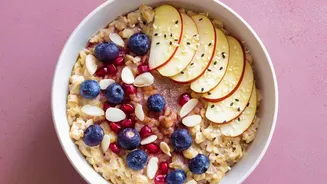
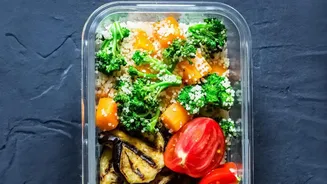
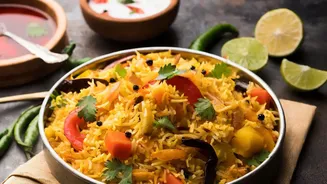
While khichdi is a fantastic staple, the world of one-pot meals is vast. You can easily whip up a vegetable pulao by sautéing mixed veggies with spices before adding rice and water. Masala oats or upma are other quick and healthy options for breakfast or a light dinner. Even simple pasta can be a one-pot dish; just cook the pasta with vegetables and a sauce in the same pot. For those with a multi-cook kettle, options expand to include soups, boiled eggs, and noodles. These dishes require very few ingredients and follow the same principle: add everything to one pot and let it cook.
Your Essential Hostel Kitchen Kit
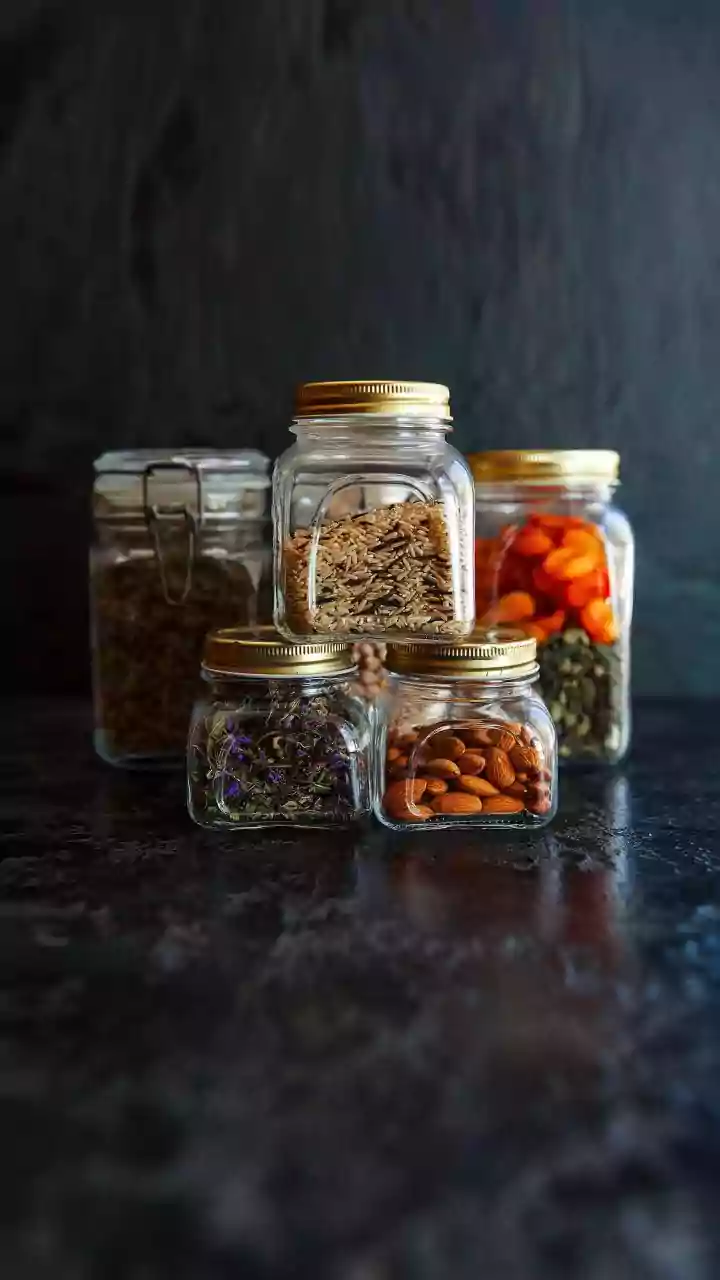
Getting started with one-pot cooking doesn't require a huge investment. Many hostels prohibit open flames, making an electric cooktop a student's best friend. An electric rice cooker or a multi-cook kettle is often the most versatile and permitted appliance. Here’s a basic list: an induction cooktop or a 1.5-litre rice cooker, a compatible pot or pressure cooker, a couple of plates, a spoon, a knife, and a cutting board. For ingredients, start with staples: rice, a couple of types of dal (like moong and toor), salt, turmeric, and cumin seeds. A small spice box, or 'masala dabba', can keep your essential spices organised. This minimal setup is all you need to break free from the delivery cycle.