





Choose Your Transport Wisely
How you get there is often one of the biggest costs. For short distances, India's extensive railway network is usually the most budget-friendly option. An overnight journey in a sleeper class coach not only saves you money on the ticket but also on a night's
accommodation. For routes where trains aren't available, like hilly regions, government-run buses or shared taxis are far more economical than booking a private cab. While premium AC buses have improved comfort, they can sometimes cost as much as an AC train ticket, so compare prices before booking. If travelling in a group of three or four, splitting the cost of a cab might seem viable, but it's rarely cheaper than what you'd pay per person for a train or bus.
Embrace Budget-Friendly Stays
Your travel fund is mostly spent on accommodation, so choosing wisely is key. Instead of conventional hotels, consider guesthouses and homestays, which offer a comfortable stay and a glimpse into local life at a fraction of the cost. India has seen a boom in clean, safe, and social hostels in recent years, which are perfect for solo travellers and young groups. Many of these options, especially homestays, can be found on platforms dedicated to verified, affordable rentals. Staying in these places often means you also get insider tips from your host on the best local food and sights, saving you from tourist traps.
Travel During the Off-Season
One of the most effective ways to slash costs is to travel when others aren't. Prices for flights, trains, and hotels can be 30-50% cheaper during the off-season or the 'shoulder seasons'—the months right before or after the peak tourist rush. For example, visiting a beach destination during the monsoon or a hill station in early spring can lead to significant savings. You'll also face smaller crowds at popular attractions, making for a more relaxed experience. Just be sure to book transport and stays in advance if your trip coincides with a local festival, as prices can spike due to high demand.
Eat Like a Local
Food is a major highlight of Indian travel, and it can also be incredibly cheap if you know where to look. Skip the expensive hotel breakfasts and tourist-centric restaurants. Instead, seek out local eateries, street food stalls, and dhabas. Not only is the food more authentic and delicious, but a full meal can cost less than a single dish at a fancy establishment. A good rule of thumb is to eat where you see the locals gathering; a busy stall is a sign of fresh, popular food. Also, carrying a reusable water bottle and packing some of your own snacks can help you avoid marked-up prices at tourist spots.
Explore Underrated Destinations
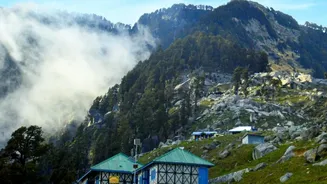
Popular destinations like Lonavala or Goa are often crowded and more expensive. Consider exploring lesser-known gems that are just as beautiful but much lighter on the wallet. Instead of mainstream hill stations, look for quieter towns nearby. For instance, Igatpuri or Sakleshpur can offer a serene nature escape without the high costs associated with their more famous counterparts. Researching offbeat locations near your city can lead to unique experiences, friendlier locals, and significantly lower prices for food and lodging.
Master the Art of Packing Light
Packing smart is a simple but effective way to save money. Bringing everything you need, like basic medicines, sunscreen, or a raincoat, prevents you from having to buy them at inflated tourist prices upon arrival. If you are flying, packing light helps you avoid expensive excess baggage fees. A well-packed bag also makes it easier to use public transport like buses and auto-rickshaws, which are much cheaper than cabs. A pro tip for any trip is to carry a reusable water bottle, as many guesthouses and restaurants offer filtered water for free or a nominal charge, which saves money and reduces plastic waste.
Look for Free and Low-Cost Activities
Entertainment doesn't have to be expensive. Many destinations near metro cities are rich in natural beauty and culture that can be enjoyed for free. Instead of paid amusement parks, opt for a hike on a scenic trail, a visit to a serene lake, or a walk through a historic fort. Many temples, natural landscapes, and cultural spots have minimal or no entry fees. Rather than splurging on a paragliding tour, a simple sunrise trek can be just as rewarding. Focus your itinerary on experiences that immerse you in the destination's atmosphere, which are often the most memorable and the least expensive.