







The New PUC Rules Explained
The government has introduced major changes to the validity periods for PUC certificates, aiming to create a more structured system based on a vehicle's emission standard and age. The Ministry of Road Transport and Highways notified these new regulations,
the Central Motor Vehicles (Sixteenth Amendment) Rules, 2026, on November 13, 2026. The biggest shift is for owners of modern, less-polluting vehicles. Previously, after the first year, most vehicles required a PUC renewal every six or twelve months, causing confusion. The new system creates a clearer, tiered structure that rewards cleaner vehicle technology with less frequent testing. These changes are designed to streamline compliance and reduce ambiguity for millions of vehicle owners across the country.
Longer Validity for Newer BS-VI Vehicles
If you own a Bharat Stage VI (BS-VI) compliant vehicle, the new rules are particularly beneficial. For private (non-transport) BS-VI vehicles, the PUC certificate is now valid for three years at a time for vehicles up to six years old. For private BS-VI vehicles aged between six and ten years, the renewal is required annually. Only after a vehicle crosses the ten-year mark does it fall into the six-month renewal cycle. Commercial (transport) BS-VI vehicles also see an extended timeline. For the first six years, their PUC certificates are valid for two years. This drops to an annual renewal for vehicles between six and ten years old, and a six-month renewal for those over ten years old.
Shorter Cycles for Older Vehicles
For vehicles compliant with older emission standards, the renewal cycles are shorter to ensure they are regularly checked for pollution levels. Under the revised rules, vehicles meeting BS-IV standards now have a PUC validity of six months. For even older vehicles—those compliant with BS-I, BS-II, and BS-III norms—the PUC certificate is valid for only three months. This structure reflects the government's push to monitor emissions more closely from older vehicles, which are generally higher polluters than their modern counterparts. This tiered approach replaces the previous, more uniform six-month or one-year rule that often failed to distinguish between new and old vehicle technology.
How the System Works for You
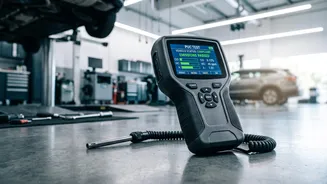
Getting and renewing your PUC certificate remains a straightforward process. You must take your vehicle to a government-authorised testing centre, which are often located at petrol pumps or authorised workshops. The process cannot be completed online, though you can check your certificate's status and download a copy from the Parivahan portal. The entire system is linked to the central VAHAN database, which allows authorities to instantly verify your PUC status using your vehicle's registration number. It is important to note there is no grace period for renewal. Driving with an expired certificate is an immediate offence.
Penalties for Non-Compliance
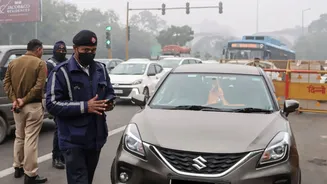
The consequences for not having a valid PUC certificate are significant. Under the Motor Vehicles Act, you can be fined up to ₹10,000 for a first-time offence. In some cases, non-compliance can even lead to imprisonment for up to three months or suspension of your driving license. With the system now digitised and linked to your vehicle registration, enforcement has become more stringent. Some regions, like Delhi, have even implemented a 'No PUC, No Fuel' rule, where petrol pumps can deny fuel to vehicles without a valid certificate. These strict measures underscore the importance of timely renewals.