






Why a Monsoon Spice Tour?
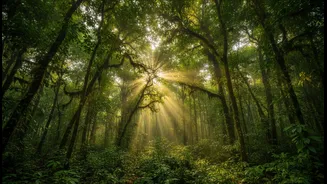
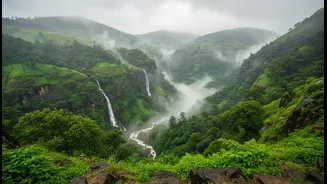
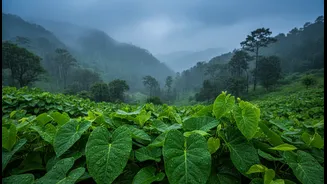
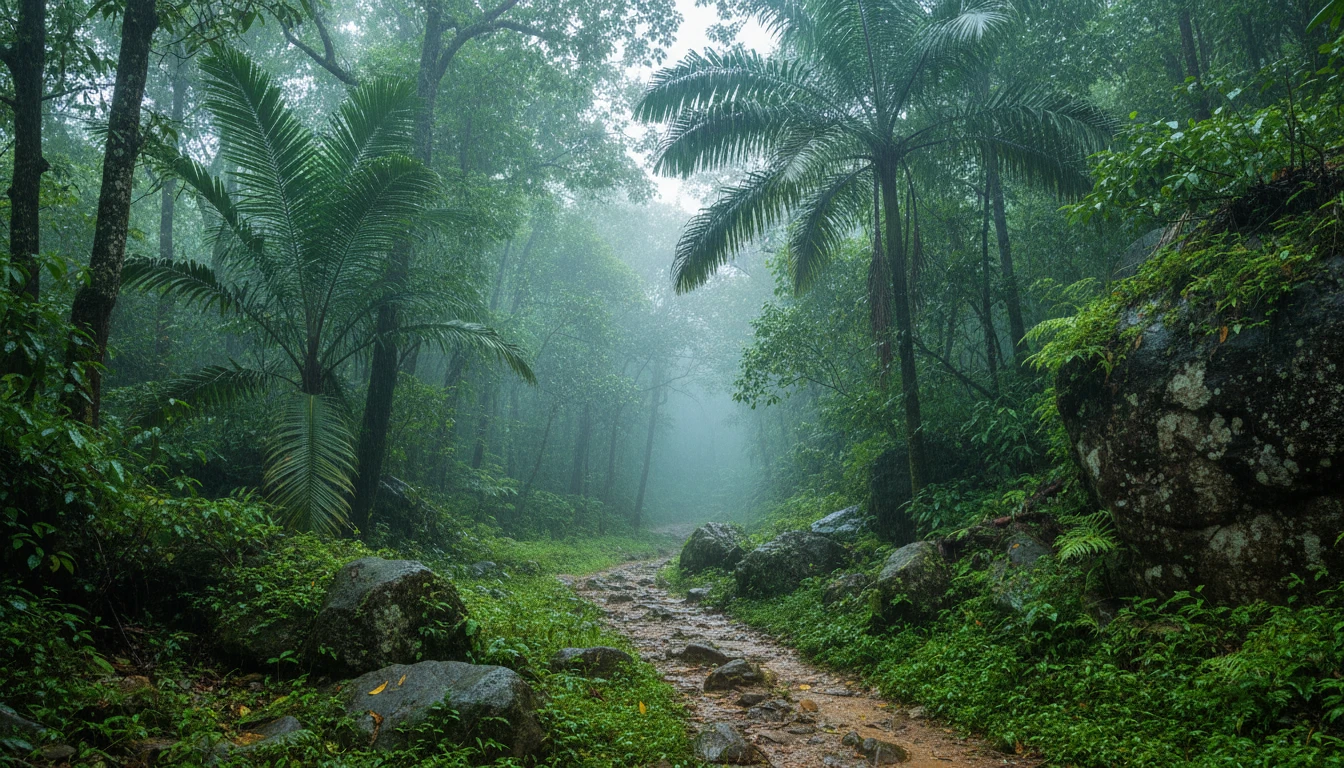
July transforms Goa. The monsoon rains wash the landscape clean, turning the hinterlands into a paradise of vibrant greens. This is when the spice plantations, clustered mainly in the Ponda taluka, are at their most fragrant and beautiful. The tourist
crowds thin out, prices for accommodation often drop, and the entire state embraces a slower, more peaceful rhythm. Instead of the scorching sun, you get cooler temperatures, dramatic skies, and the therapeutic sound of rainfall, making it the perfect time for a sensory journey through nature.
Choosing an Offbeat Plantation
While several plantations cater to tourists, an 'offbeat' experience means looking for authenticity. For a genuine, family-run feel, consider Savoi Plantation. It's one of the oldest, spread over 200 acres, and focuses on a more intimate, organic tour. Visitors often praise the traditional Goan meal and the depth of knowledge shared. Another excellent choice is Pascoal Spice Village, known for its scenic location by a river and a more rustic, intimate atmosphere. Unlike the more commercial farms, these places offer a quieter, more personal glimpse into Goa's agricultural heart. It's wise to call ahead, especially for Savoi, to arrange your tour and meal.
What to Expect on Your Visit
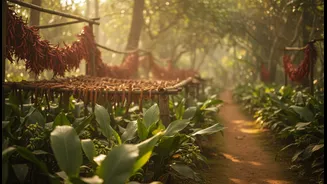
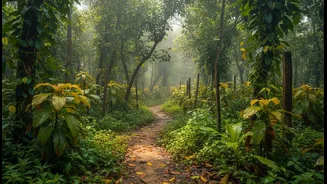
A typical tour is a feast for the senses. You'll be welcomed, often with a refreshing herbal tea, before a guide walks you through the property. You will see and learn how spices like black pepper, cardamom, vanilla, cinnamon, and nutmeg grow in their natural environment. The guides are usually locals with deep knowledge, sharing insights into both cultivation and medicinal uses. The highlight for many is the lunch that follows: a traditional Goan Hindu or Saraswat thali, often served on a banana leaf or in earthenware pots, featuring dishes prepared with the farm's fresh spices.
Essential Planning and Logistics
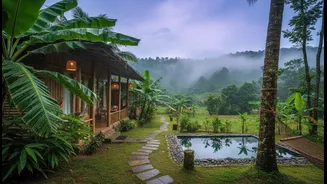
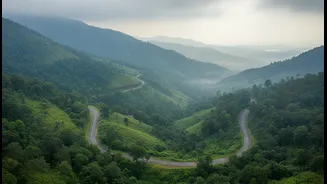
The spice plantations are mostly located around Ponda, about an hour's drive from Panjim. Renting a car is the safest bet for navigating slippery monsoon roads, though taxis are also readily available. For accommodation, consider staying in a heritage property or a plantation homestay near Ponda for a truly immersive experience. Pack light, quick-dry clothing, a reliable raincoat, and waterproof footwear. Insect repellent is also a must. While the rain is part of the charm, always check the weather forecast, as heavy downpours can cause temporary disruptions.
Beyond the Spices: Exploring Ponda
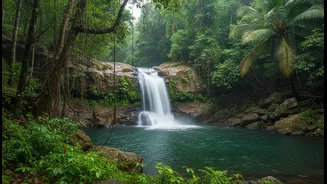
Since you're in the area, use the opportunity to explore Ponda, known as Goa's cultural heart. The monsoon brings the region's waterfalls to life, with Dudhsagar Falls being the most spectacular, though smaller cascades like those at Arvalem are also stunning. You can also visit the area's many historic temples, such as the Shri Mangeshi and Tambdi Surla temples, which are enveloped in a serene, misty atmosphere during the rains. A trip to a spice farm can easily be combined with these sights for a full day of exploring Goa's rich inland culture and nature.