
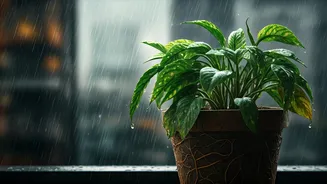


Why Standing Water Is a Garden's Enemy
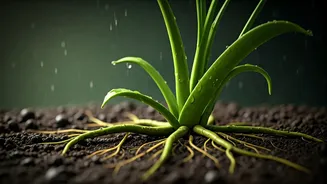
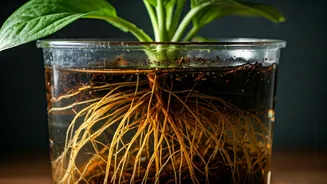
Excess water in the soil is more than just a nuisance; it's a threat to plant life. When soil becomes saturated, the water fills all the air pockets that roots depend on for oxygen. Without oxygen, roots can't respire or function properly, leading them
to essentially drown. This creates an anaerobic environment that can cause root rot, which appears as black, mushy roots often accompanied by a sour smell. The damage below ground quickly shows up above, with plants wilting or leaves turning yellow, ironically appearing as if they are underwatered. Furthermore, waterlogged soil can leach away essential nutrients, making it harder for plants to thrive and increasing their susceptibility to disease.
Diagnosing Your Drainage Dilemma
Before you can fix the problem, you need to understand its source. The most common culprits behind poor garden drainage are soil composition and topography. Heavy clay soil, with its small, dense particles, holds onto water and drains very slowly. Soil compaction is another major factor; foot traffic or heavy equipment can press soil particles together, eliminating the porous spaces needed for water to flow through. Natural low spots in your yard will inevitably collect water from surrounding areas. Finally, underlying issues like a high water table or an impervious layer of subsoil known as hardpan can prevent water from draining away no matter how good your topsoil is. A simple test involves digging a hole about a foot deep, filling it with water, and seeing how quickly it drains. If it takes more than a few hours, you likely have a drainage problem.
Improving Soil Structure for Better Drainage
The most effective long-term strategy for combating standing water is improving the soil itself. Amending your soil with organic matter is the single best thing you can do. Adding several inches of well-rotted compost, aged manure, or shredded leaves and working it into the top 8-12 inches of your soil works wonders. This organic material helps bind tiny clay particles into larger clumps, creating more air space and improving water infiltration. For heavily compacted soil, aeration—using a garden fork to poke holes in the ground—can provide a temporary fix by creating channels for water and air. While it may seem logical, avoid adding small amounts of sand to clay soil, as this can create a concrete-like substance and make the problem worse.
Strategic Solutions: Drains and Raised Beds
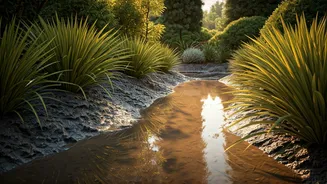
When soil amendment isn't enough, you may need to consider more structural solutions. Building raised beds is an excellent way to immediately solve drainage issues. By creating a growing area that sits 8 to 12 inches above the problematic ground and filling it with a high-quality soil mix, you give your plant roots the well-drained environment they need to flourish. For more severe waterlogging, installing a French drain can be highly effective. This involves digging a sloped trench, lining it with fabric, laying a perforated pipe, and filling it with gravel. The system collects excess water and channels it away from the affected area to a suitable outlet. Other options include creating a dry creek bed or a rain garden, which use rocks and water-loving plants to manage and absorb excess runoff.
Working With Wet Spots: Plant Selection
Sometimes, the simplest solution is to work with the conditions you have rather than fighting them. If you have a perpetually damp area, consider planting species that are adapted to wet soil. There are many beautiful and functional plants that thrive in these conditions. Perennials like Astilbe, Joe-Pye weed, and several types of Iris (such as Siberian and Japanese) do well in moist ground. For shrubs, consider Redtwig Dogwood or Summersweet Clethra. If you have space for a tree, the River Birch and Weeping Willow are classic choices for water-tolerant landscaping. These plants can help absorb excess moisture while adding beauty and life to a challenging part of your garden.