




1. Banana Stem Stir-Fry (Vazhaithandu Poriyal)
Often overlooked, the fibrous inner core of the banana plant is a textural delight. In South India, Vazhaithandu Poriyal is a classic stir-fry that showcases this humble ingredient. The stem is finely chopped, soaked in buttermilk to prevent browning,
and then sautéed with mustard seeds, lentils, curry leaves, and a generous sprinkle of fresh coconut. The result is a crunchy, refreshing side dish that’s not only delicious but also packed with fibre.
2. Ridge Gourd Peel Chutney (Peerkangai Thogayal)
Before you toss the ridged peel of the 'peerkangai' or ridge gourd, consider this beloved South Indian 'thogayal' (a thick chutney). The peels are roasted with lentils like chana dal and urad dal, dried red chillies, garlic, and a hint of tamarind until fragrant. Once cooled, the mixture is ground into a coarse, flavour-packed paste. This chutney transforms the tough, fibrous peels into a savoury condiment that pairs perfectly with hot rice and a drizzle of sesame oil, proving that waste can indeed be wonderful.
3. Jackfruit Seed Curry (Chakkakuru Curry)
After savouring sweet, ripe jackfruit, don't discard the seeds. These starchy, nutrient-dense seeds have a texture similar to chestnuts when cooked. A popular dish in regions like Kerala and Konkan is a hearty curry made from them. The seeds are boiled until tender, peeled, and then simmered in a spiced coconut-based gravy. This transforms the seeds into a creamy, nutty, and substantial main course that carries the flavours of ginger, garlic, and aromatic spices beautifully.
4. Pumpkin Flower Fritters (Kumro Phool Bhaja)
In Bengali cuisine, the vibrant yellow flowers of the pumpkin plant are not just for admiring; they are a delicacy. 'Kumro Phool Bhaja' are delicate fritters made by dipping the fresh blossoms in a spiced batter of chickpea flour (besan) and rice flour, then deep-frying them until golden and crisp. The flowers themselves have a subtle, sweet flavour that is enhanced by the crunchy coating. Often enjoyed as an appetiser or a side with dal and rice, these fritters are a beautiful example of how edible flowers can be the star of a dish.
5. Watermelon Rind Sabzi
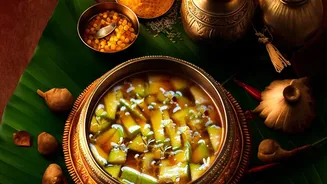
The white part of the watermelon rind, which most people throw away, is perfectly edible and incredibly versatile. In many parts of India, especially Gujarat, it is used to make a simple and flavourful 'sabzi' or cooked vegetable dish. The rind is peeled, cubed, and cooked with spices like cumin, turmeric, and a hint of something sour like amchur (dry mango powder) or tangy kokum. It absorbs flavours wonderfully and cooks down to a soft, tender texture, creating a refreshing and hydrating dish that’s perfect for summer.
6. Bottle Gourd Peel Stir-Fry (Lauki Ke Chilke Ki Sabzi)
The humble bottle gourd, or lauki, is a staple in many Indian households, but its peels are often destined for the compost bin. However, in regions like Uttar Pradesh, these peels are transformed into a surprisingly tasty dish. The unblemished green peels are finely chopped and stir-fried with potatoes, cumin seeds, garlic, and a mix of everyday spices. Some recipes also add 'besan' (gram flour) for a nutty flavour and texture. This 'no-waste' preparation is a testament to the ingenuity of home cooking.
7. Cauliflower Greens and Stem Sabzi
When you buy a whole cauliflower, the leaves and thick stem that are usually trimmed off are full of flavour and nutrients. Instead of discarding them, they can be chopped and cooked into a delicious stir-fry. The stems are tender and the leaves wilt down much like spinach. A simple tempering of cumin seeds, onions, tomatoes, and basic spices is all it takes to turn these 'scraps' into a hearty and wholesome side dish, making your vegetable go further than ever before.
8. Radish Greens Bhurji (Mooli Ke Patte Ki Bhurji)
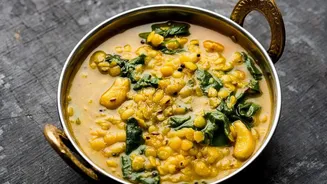
Radish leaves have a sharp, peppery flavour that makes them a fantastic ingredient in their own right. A popular North Indian preparation is 'Mooli Ke Patte Ki Bhurji', a simple stir-fry that highlights the unique taste of the greens. The leaves are thoroughly washed, chopped, and sautéed with spices like carom seeds (ajwain), ginger, and green chillies in mustard oil. Sometimes, grated radish is also added. It's a quick, rustic, and incredibly nutritious dish that captures the essence of winter produce in Northern India.