






Create a Personal Sanctuary
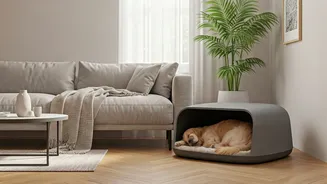
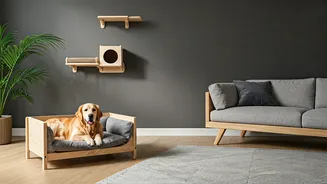
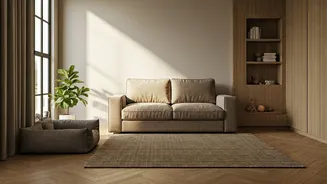
Every living being, human or animal, needs a space to call their own. For pets, this translates to a safe, quiet spot where they can retreat when feeling overwhelmed or simply want to rest. This doesn't have to be an entire room. A comfortable bed in a low-traffic
corner, a crate with a soft blanket (with the door left open), or even a designated spot under a table can serve as their personal den. This sanctuary gives them a sense of security and control, dramatically reducing anxiety-related behaviours like incessant barking or hiding. Ensuring this space is always accessible and respected by all family members teaches your pet that they have a reliable safe zone, which is a cornerstone of a calm household.
Engage Their Brain, Not Just Their Body
A bored pet is often a destructive pet. Chewed furniture, scratched doors, and torn-up cushions are frequently signs of an under-stimulated mind, not a 'bad' animal. Physical exercise is crucial, but mental enrichment is just as important. Incorporate puzzle feeders, treat-dispensing toys, and regular training sessions into their daily routine. These activities force them to think, problem-solve, and work for their rewards, which is incredibly satisfying for them. A mentally tired pet is a happy and well-behaved pet, leaving your home and your belongings intact. Even 15 minutes of dedicated playtime or training can make a huge difference.
Consider the Sensory Environment
We design our homes for our own senses, but our pets experience the world differently. Strong smells from air fresheners, cleaning products, or scented candles can be overwhelming for a dog’s sensitive nose. Similarly, loud noises from the TV or sudden sounds can be stressful. Try opting for pet-safe, unscented cleaning products and be mindful of volume levels. You can also introduce positive sensory experiences. Calming classical music has been shown to reduce anxiety in shelter dogs, and certain pheromone diffusers can create a more serene atmosphere. Thinking about the world from their sensory perspective allows you to curate a home that feels as good to them as it looks to you.
The Comfort of a Predictable Routine
Pets thrive on predictability. They don't have calendars or clocks, so they rely on a consistent daily schedule to understand their world. Knowing when to expect meals, walks, playtime, and when you’ll leave and return provides a powerful sense of stability. An unpredictable routine, on the other hand, can be a major source of stress and anxiety. When a pet is anxious about when their next meal or potty break will be, they can't fully relax. Establishing and sticking to a general schedule helps them feel secure. This doesn't mean you need to live by a rigid timetable, but a consistent flow to the day will translate into a more relaxed pet and, consequently, a more peaceful home.
Integrate Their Needs into Your Decor
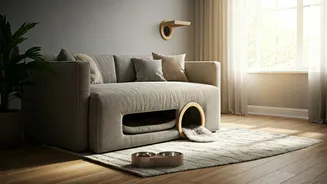
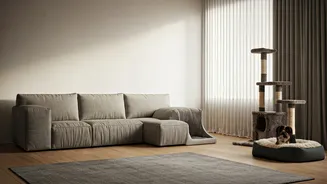
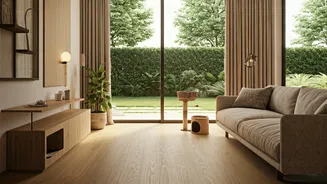
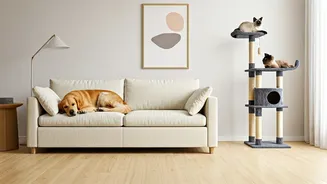
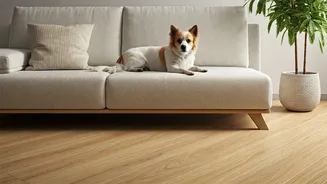
A pet-friendly home doesn't have to look like a kennel. Smart design choices can accommodate your pet’s needs while maintaining your aesthetic. Choose durable, easy-to-clean fabrics like microfibre or tightly woven canvases for upholstery. Opt for flooring that's scratch-resistant and provides good grip. A stylish, tall cat tree can satisfy a cat's need to climb and scratch while also functioning as a unique piece of furniture. A well-placed rug can provide a soft spot for your dog to lie down. By thoughtfully integrating their needs into your design choices, you avoid the constant battle between your pet's natural behaviours and your desire for a tidy home.