







Your Monsoon Skincare Overhaul
The single biggest change during monsoon is the humidity, which can make your skin feel oily, sticky, and prone to breakouts. The air is heavy with moisture, causing sweat to linger and mix with sebum, creating an ideal environment for clogged pores and fungal
acne. Many people mistakenly think the stickiness means they should skip moisturiser, but this can backfire. When your skin becomes dehydrated internally, it often produces even more oil to compensate. The key isn't less skincare; it's lighter skincare. Swap heavy, oil-based creams for lightweight, gel-based formulas that hydrate without adding weight. A gentle, twice-daily cleanse is crucial to remove the daily build-up of grime and sweat without stripping the skin's protective barrier.
Ingredients That Thrive in Humidity
To combat monsoon skin woes, look for specific ingredients. Niacinamide is a powerhouse for this season, as it helps regulate oil production, minimise the appearance of pores, and calm redness. Hyaluronic acid is another excellent choice; it's a humectant that draws moisture into the skin, providing deep hydration without a greasy feel. For those prone to breakouts, a cleanser or serum with salicylic acid can be a game-changer. Being oil-soluble, it penetrates deep into pores to clear out excess sebum and dead skin cells. Finally, don't be fooled by the cloudy skies—UV rays penetrate clouds easily. A broad-spectrum, non-comedogenic sunscreen with at least SPF 30 is non-negotiable to prevent sun damage and worsening of post-acne marks.
Mastering the Monsoon Commute
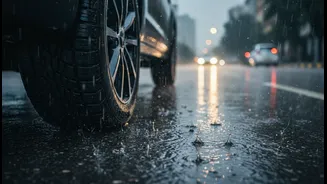
Daily travel during the monsoon requires planning and a few essential items. Before you even leave home, check the weather forecast and traffic updates for waterlogging advisories. If possible, leave earlier than usual to account for inevitable delays. For personal gear, a waterproof backpack or a rain cover is essential to protect electronics and documents. Investing in footwear with good grip is also critical, as wet roads and station platforms become extremely slippery. Many seasoned commuters recommend keeping a spare set of clothes and shoes at the office to change into. For those using public transport, live tracking apps can help you monitor delays and reroute if necessary.
Driving Safely on Waterlogged Roads
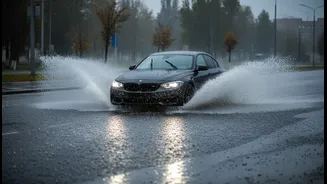
For those who drive, waterlogged streets present a significant hazard. The most important rule is to avoid them if you can. It's often impossible to gauge the water's depth or see hidden potholes and open drains. A general rule of thumb for cars is that if the water is above ankle depth (about 15 cm), it's best not to proceed. If you must cross a flooded patch, do so in a low gear (first or second) and keep the engine revs high by maintaining light, steady pressure on the accelerator. This creates pressure in the exhaust pipe, helping to prevent water from entering the engine. Avoid sudden acceleration or braking. Once you're through the water, gently tap your brakes a few times to dry them out, as they will have lost much of their effectiveness.