





The Crucial Final Spell
The four-month monsoon season is a lifeline for Indian agriculture, but not all rain is created equal. While the June-to-August showers are vital for the Kharif (summer) crops like rice and cotton, the final spell in September plays a different, but equally
important, role. This late-season rain is less about watering current crops and more about preparing the ground for the next big agricultural cycle: the Rabi, or winter, season. It is the departing gift of the monsoon, one that determines the initial health of India's winter food basket.
Soil Moisture: The Deciding Factor
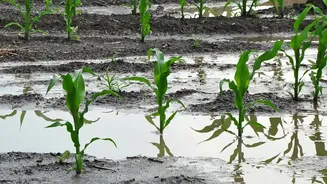
The primary job of September rainfall is to charge the soil with moisture. Rabi crops are sown from October onwards, after the monsoon has withdrawn. For a vast number of farmers, especially in regions with limited irrigation, this trapped moisture is the principal source of water for the germinating seeds. Think of it as a natural, underground reservoir that needs to be filled. Good September rains ensure the soil is damp enough to support the sowing and initial growth of key staples, setting a strong foundation for the entire season. Studies have shown that soil moisture is a more accurate predictor of Rabi season success than the total volume of monsoon rain.
What's at Stake? The Rabi Roster
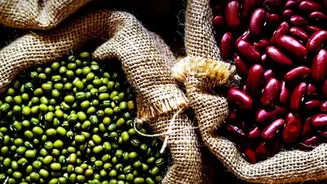
The health of the Rabi season directly impacts the availability and price of some of India’s most essential food items. The primary Rabi crop is wheat, the foundation of rotis and bread for millions. Alongside wheat, other major winter crops include barley, gram (chana), lentils (masoor), and mustard, which is critical for cooking oil. Poor soil moisture at the time of sowing can force farmers to delay planting, switch to less profitable crops, or even reduce the total area under cultivation, all of which can have knock-on effects on supply chains and market prices months later.
This Year's Outlook
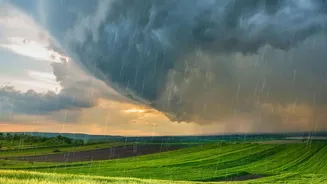
According to the India Meteorological Department (IMD), a fresh spell of rainfall is expected over several parts of the country in the coming week. As of September 17, widespread rainfall is forecast across central, eastern, and western regions, which could be beneficial. However, the monsoon's performance this year has been uneven. While some regions have seen good rainfall, others, particularly in the southern peninsula, face deficits, which has left reservoir levels below normal in those areas. The IMD has noted that withdrawal of the monsoon is likely to begin around mid-to-late September. The performance of these final, departing rains will be watched closely by farmers and policymakers alike.
Beyond the Farm Gate
The impact of September rain extends beyond just sowing. It helps replenish the country's major reservoirs, which are crucial for irrigation during the dry winter months and for generating hydropower. Healthy reservoir levels provide a critical buffer, offering a backup water source if the initial soil moisture isn't sufficient to carry the crops through to maturity. A good monsoon finish also recharges groundwater tables, ensuring drinking water availability. Therefore, these last few weeks of rain are a key variable in managing the nation's water resources and overall food security, influencing everything from rural incomes to urban food inflation.