

The Sweet Potato: Starchy and Fluffy
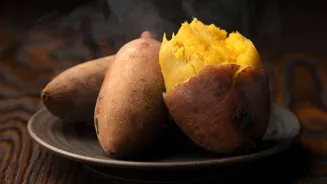
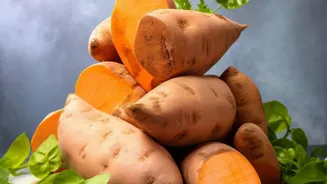
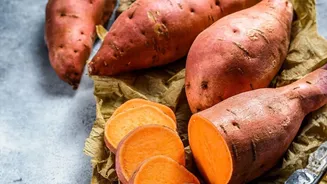
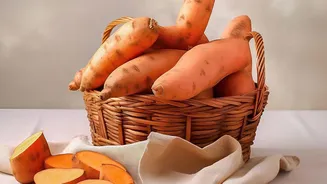
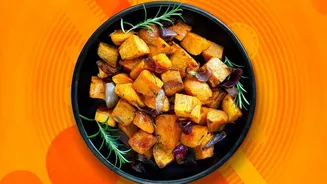
A sweet potato’s texture is largely defined by its high starch content. Botanically, it's a storage root, designed to pack in energy, which gives it a dense, substantial feel when raw. When cooked, these starches work their magic. Roasting a sweet potato allows
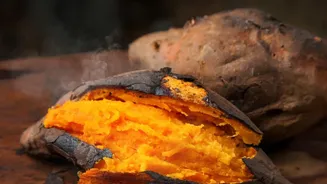
its natural sugars to caramelize, resulting in a delightfully fluffy, creamy interior with slightly crispy edges. Boiling or steaming makes them soft and tender, perfect for a hearty mash. However, their fibrous nature means that for a truly silky-smooth purée, a food processor might be necessary to break down all the strands. This starchy structure helps sweet potatoes hold their shape better than squash, making them the superior choice for dishes like fries or gratins where distinct pieces are desired.
The Butternut Squash: Moist and Smooth
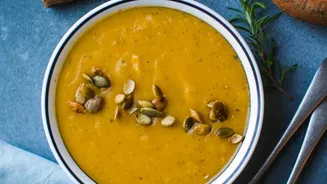
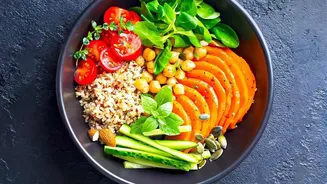
Butternut squash, which is technically a fruit that grows on a vine, has a different composition. It contains significantly more water and less starch than a sweet potato. This higher moisture content is the key to its texture. When cooked, butternut squash becomes exceptionally soft and smooth. It collapses more readily, which is why it excels in creating velvety, silky soups and purées without much effort. While it can be roasted into tender, sweet cubes, it tends to be softer and less firm than its potato counterpart. Its flesh is also prone to becoming stringy, particularly if the squash is older or was harvested too early, as the internal fibres become more pronounced. For the smoothest texture, it's best to avoid scraping too close to the squash's inner skin.
Roasting: A Tale of Two Caramelizations
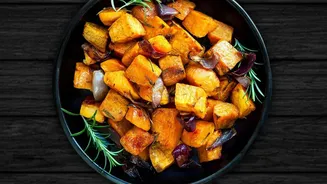
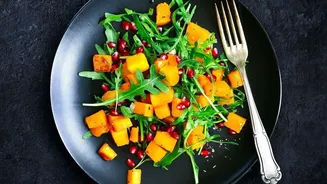
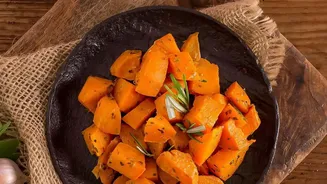
Roasting is where both vegetables truly shine, but they do so differently. When cubed and roasted at a high temperature, sweet potatoes become tender on the inside while developing a firm, slightly chewy, and caramelized exterior. They hold their shape well. Butternut squash also caramelizes beautifully, bringing out its nutty sweetness. However, due to its higher water content, it softens more completely and can sometimes become mushy if overcrowded on the pan, which causes it to steam rather than roast. For perfectly roasted cubes of both, ensure they are spread in a single layer with enough space to breathe. If roasting them together, be aware that sweet potato is denser and may take slightly longer to become tender.
Boiling and Mashing: The Creaminess Contest
When boiled for mashing, the differences become even more apparent. Sweet potatoes absorb water but their starchy cells help maintain some body, creating a thick, fluffy mash. For an even creamier result, some chefs recommend simmering them in cream and butter instead of water, which prevents them from becoming watery. Butternut squash, with its lower starch content, easily breaks down into a much smoother, more liquid consistency. This makes it ideal for a light, almost sauce-like purée. However, if you boil it and want a thicker mash, be sure to drain it very thoroughly to remove excess water, which can make the final product feel thin or runny.
The Verdict: Which to Choose and When
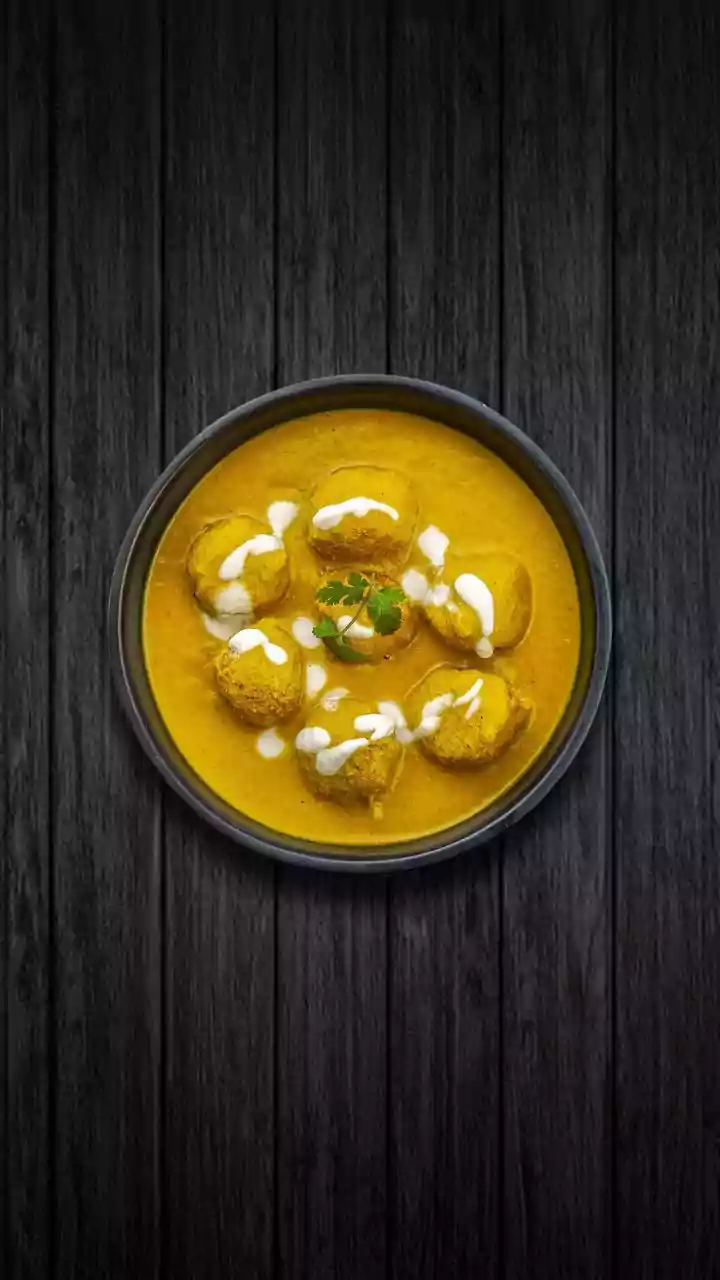
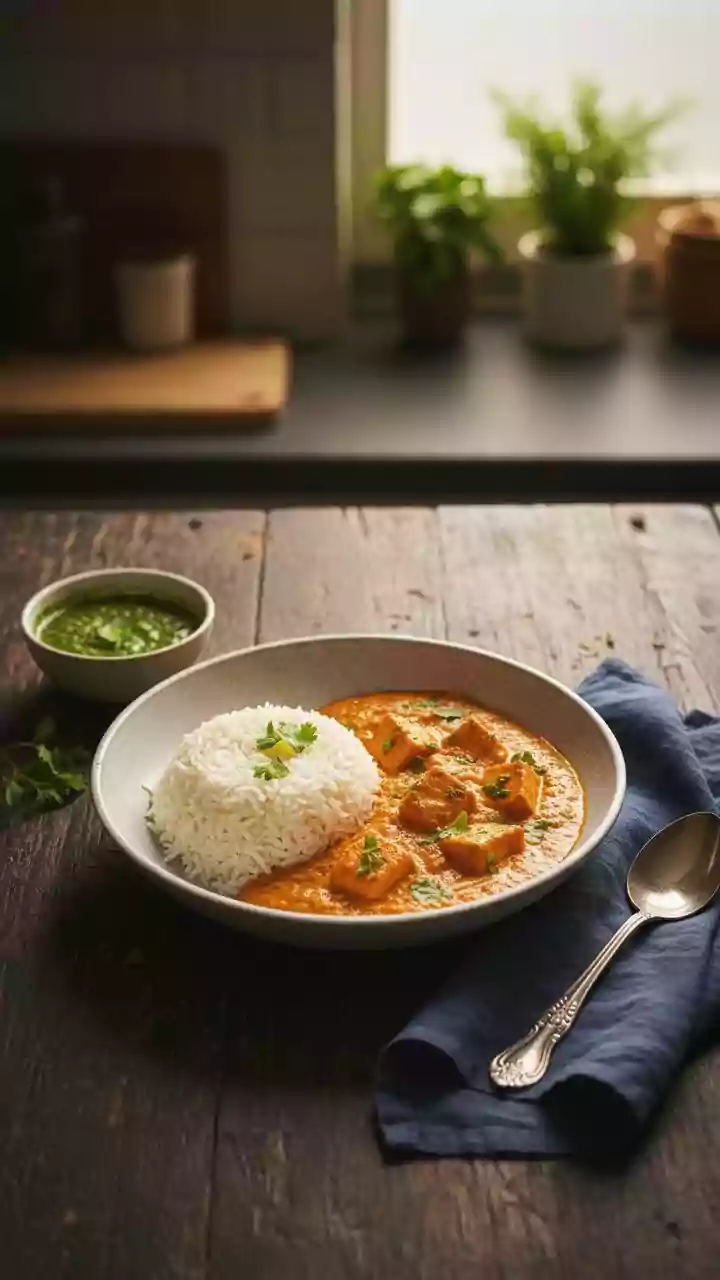
Your choice ultimately depends on the textural role you want the vegetable to play in your dish. Choose sweet potato when you need structure and a fluffy, starchy bite. It’s the winner for oven-baked fries, roasted wedges, chunky additions to stews and curries, and layered gratins. Its inherent sweetness also makes it a natural fit for pies and casseroles. Turn to butternut squash when your goal is a silky, smooth consistency. It is the undisputed champion for velvety blended soups, smooth purées to serve alongside a main course, and as a creamy element in risottos or pasta sauces. While they can be substituted for one another in a pinch, especially in mashes or blended soups, the textural result will be noticeably different. Understanding their unique properties is the key to unlocking the best of what both have to offer.