






The Golden Rule of Food Safety
Food safety agencies have a clear guideline known as the 'two-hour rule'. Perishable foods should not be left at room temperature for more than two hours. This is because bacteria that cause foodborne illness grow most rapidly in the 'danger zone', the temperature range
between 40°F (4°C) and 140°F (60°C). In just a few hours within this range, a single bacterium can multiply into millions. If the ambient temperature is high, such as at a summer picnic above 90°F (32°C), this window shrinks to just one hour. Keeping hot foods hot (above 140°F) and cold foods cold (below 40°F) is the most effective way to stay out of this zone.
Cooked Meats, Poultry, and Seafood
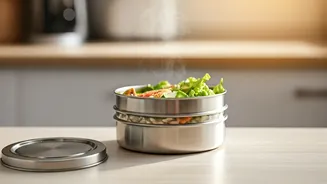
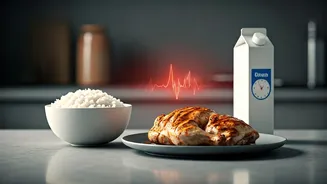
Perhaps the most well-known high-risk category, all cooked meat, poultry, and fish are highly perishable. These protein-rich foods are an ideal environment for bacteria like Salmonella and Listeria to thrive once they cool down into the danger zone. Whether it's leftover roast chicken, a platter of deli meats, or grilled fish, the two-hour rule applies strictly. To cool large items like a whole chicken or ham safely, it's best to cut them into smaller portions to help the heat dissipate faster before refrigeration. Always store these items in airtight containers in the fridge and consume them within three to four days.
Cooked Rice, Pasta, and Grains
This category often surprises people. A seemingly harmless bowl of leftover rice or pasta can pose a significant food poisoning risk. Uncooked rice and other starchy foods can contain spores of a bacterium called Bacillus cereus. These spores are heat-resistant and can survive the cooking process. When cooked rice is left at room temperature, these spores can germinate and multiply, producing toxins that can cause vomiting and diarrhea. Reheating the rice can kill the bacteria, but it won't destroy the heat-stable toxins that have already formed. Therefore, it's crucial to cool rice and pasta quickly—ideally within an hour—and refrigerate it promptly.
Dairy Products and Eggs
Milk, fresh cheese like paneer, cream, and dishes containing them are extremely sensitive to temperature changes. The same goes for anything made with eggs, such as quiches, custards, and homemade mayonnaise. These foods must be kept refrigerated and should not be left out for more than two hours. When serving, it's safer to use smaller platters and replenish them from the fridge as needed, rather than leaving a large dish out for the entire duration of a party.
Cut Fruits and Vegetables
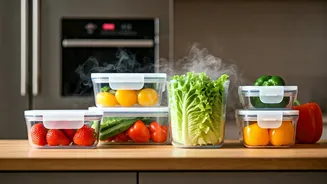
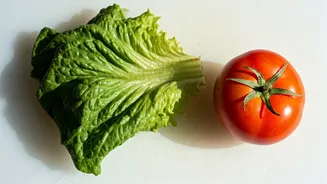
While whole fruits like apples and bananas can sit on the counter, the rules change once you cut, peel, or slice them. The protective skin is broken, exposing the moist flesh to any bacteria in the environment. Melons, in particular, have a neutral pH and high water content, making cut melon a prime breeding ground for bacteria like Salmonella. All cut produce, including leafy greens and sliced tomatoes, should be refrigerated within two hours.
Soups, Stews, and Gravies
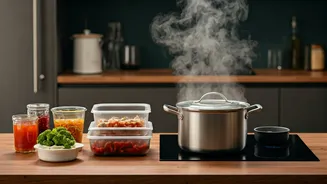
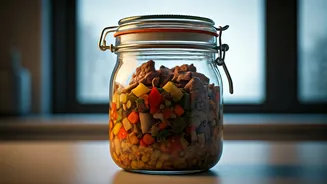
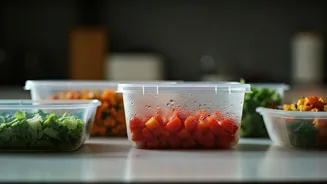
Liquid-based dishes like soups, stews, and gravies are also high-risk. Their high moisture content and nutrient-rich composition make them perfect for bacterial growth. When cooling a large pot of soup or gravy, it's important to do it quickly. Instead of placing a giant, hot pot directly in the fridge (which can warm up other foods), divide it into smaller, shallow containers to speed up the cooling process. You can also use an ice bath to bring the temperature down rapidly before refrigerating.